Copper and Iron: Why Iron Cannot Move Without Copper
Copper and iron are metabolic partners. Iron can only exit cells through ferroportin and load onto transferrin after copper-dependent ferroxidase enzymes, ceruloplasmin and hephaestin, convert it to its ferric form. Without enough bioavailable copper, iron stalls in tissues instead of circulating where the body needs it.
Most people think of iron as a stand-alone nutrient. Eat it, absorb it, build blood. The biology is messier than that. Iron is a reactive metal, and the body moves it through a chain of gates and carriers. Several of those steps run on copper. In Minerals Revolution, Ethan Fialkow makes the case that the iron conversation is incomplete, and often backwards, until copper is part of it.
How copper and iron work together in the body
Iron is valuable because it trades electrons easily. In the ferrous state (Fe2+) it donates an electron. In the ferric state (Fe3+) it accepts one. That flexibility lets iron carry oxygen and take part in energy production inside the mitochondria. The same trait makes loose iron dangerous, which is why the body keeps it bound to proteins almost all the time.
Copper is the metal that manages those handoffs. Ceruloplasmin, the main copper-carrying protein in blood, acts as a ferroxidase: it converts ferrous iron into ferric iron so the iron can bind to its transport protein. Ethan describes ceruloplasmin as pivotal to iron balance, and our ceruloplasmin guide goes deeper on that enzyme.
Iron absorption and the ferroportin gate
The book breaks iron absorption into two stages. First, cells lining the gut (enterocytes) take iron in. Second, that iron has to leave those cells and enter the bloodstream. The second stage is where things jam.
Iron leaves cells through one door: ferroportin, the only known exporter of iron from cells into blood. Ferroportin cannot finish the job alone. Iron exiting the cell has to be oxidized right away, and that ferroxidase activity comes only from multi-copper oxidase enzymes. On the gut side, hephaestin does this work. In circulation and in tissues, ceruloplasmin does it. Both are copper proteins.
- Enterocytes absorb iron from food.
- Ferroportin pushes iron out of the cell.
- A copper-based ferroxidase converts that iron from ferrous to ferric.
- Ferric iron loads onto transferrin, the protein that carries iron through the blood.
Take copper out of step three and the rest of the line backs up. Iron sits inside cells. The book's position is that this is how iron ends up stuck in tissue while blood tests may still read as normal or low.
Transferrin and keeping iron mobilized
For iron to be useful, Ethan writes, it has to be mobilized. That means circulating on transferrin and inside red blood cells, rather than coming unbound and piling up in organs. Ferric iron bound to protein is stable. Ferrous iron floating free is reactive.
Ceruloplasmin's ferroxidase activity does double duty here. It moves iron toward transferrin, and it neutralizes the reactive form in the process. When that system is short on copper, less iron gets bound, more of it lingers, and the stage is set for the problems covered in our page on iron dysregulation.
Copper, heme, and red blood cell production
Red blood cell production runs at a scale most people never picture. The book lays out the numbers:
| Measure | Figure from the book |
|---|---|
| Red blood cells produced | 2 to 3 million per second, over 200 billion per day |
| Hemoglobin molecules per red blood cell | About 270 million |
| Heme groups per hemoglobin | Four |
| Heme groups per red blood cell | About 1 billion |
Every one of those heme groups holds an iron atom. Ethan's point is that the body cannot build heme and assemble the four heme groups into hemoglobin without bioavailable copper. Many of the enzymes involved in making red blood cells and moving iron are copper-dependent, along with the enzymes that produce energy (cytochrome c oxidase) and clear its exhaust (superoxide dismutase). The Linus Pauling Institute copper overview also lists copper's role in iron metabolism among its core functions.
Most of the body's iron is not new iron at all. White blood cells in the reticuloendothelial system recycle iron from old red blood cells, and the book notes this recycling covers roughly 95% of the body's iron need. A well-nourished adult carries about 4 to 5 grams of iron in total, mostly in hemoglobin and myoglobin. Recycling that iron depends on the same copper-driven export and loading steps described above.
Iron fortification and iron filings in food
Starting in the 1940s, inorganic iron filings were added to enriched flour and grain products. In 1969 the FDA raised the recommended iron level in many foods by 50%, and the book notes that dozens of scientists testified against pushing it higher. Ethan also points out that iron in these foods is often found at twice the listed amount, and people tend to eat double the suggested serving of cereal.
Absorption numbers matter here. The book puts typical iron absorption between 5% and 35% depending on the source. Iron salts in most supplements land around 10% to 20%. Heme iron from animal foods runs 15% to 35%. The iron filings added to flour and processed foods are estimated at about 60%. Ethan calls those filings the most toxic form of iron you can add to food.
So the modern diet stacks two problems. Iron intake climbed through fortification. Copper intake and copper function fell through soil depletion, processed food, and other factors covered in the book's chapter on how the mineral crisis happened. More iron coming in, less copper to move it. That is the imbalance the book is built around, and it is why iron supplements and iron-fortified foods sit at the top of our what to stop taking list.
Why the author puts copper first
Ethan's position is direct: only with sufficient copper can the body keep iron in balance, and without adequate copper, iron rises to harmful levels in organs and tissue. Adding more iron to a system that cannot move it does not fix the bottleneck. Supplying the metal that runs the ferroxidase enzymes addresses the step that stalled.
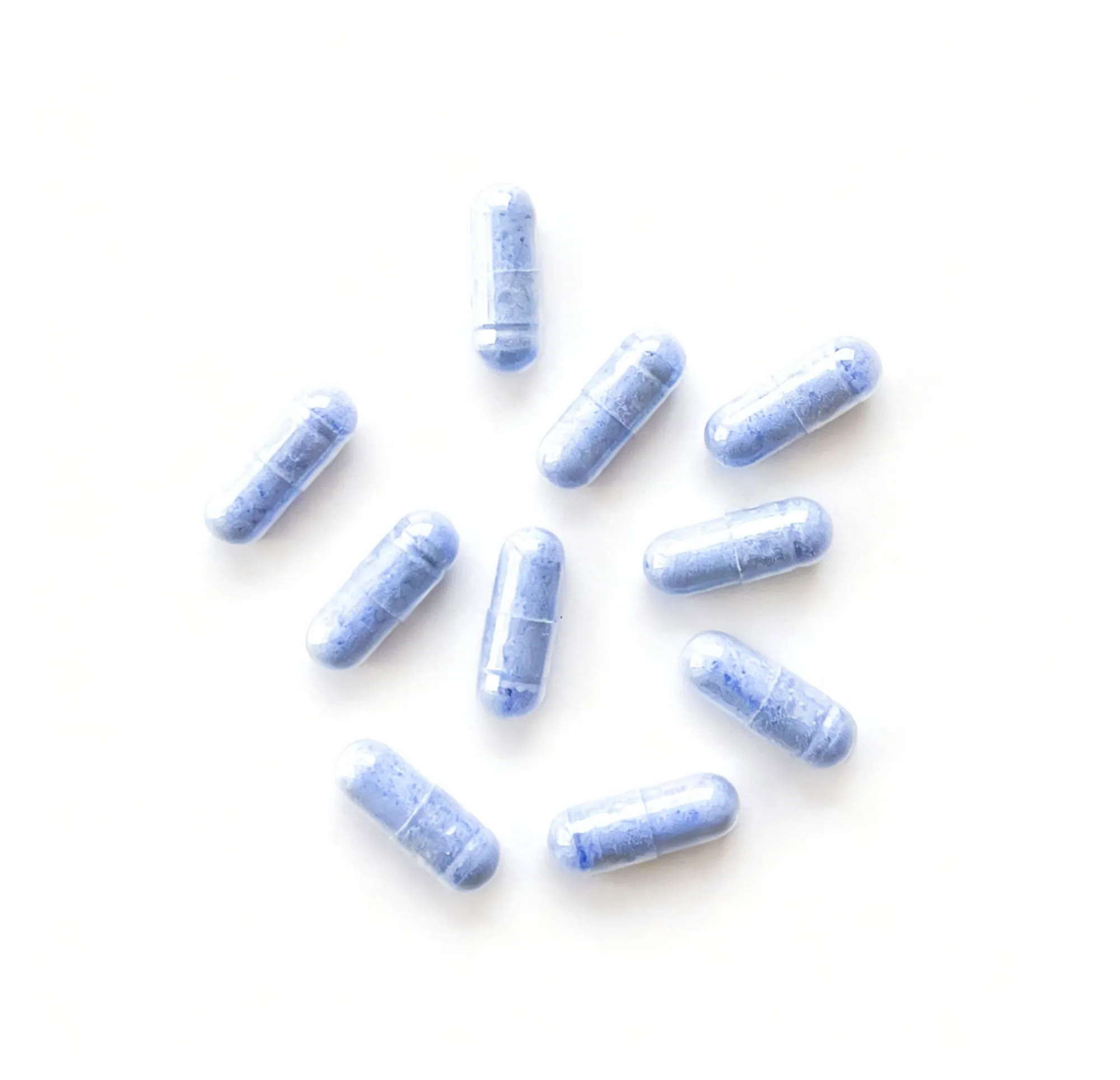
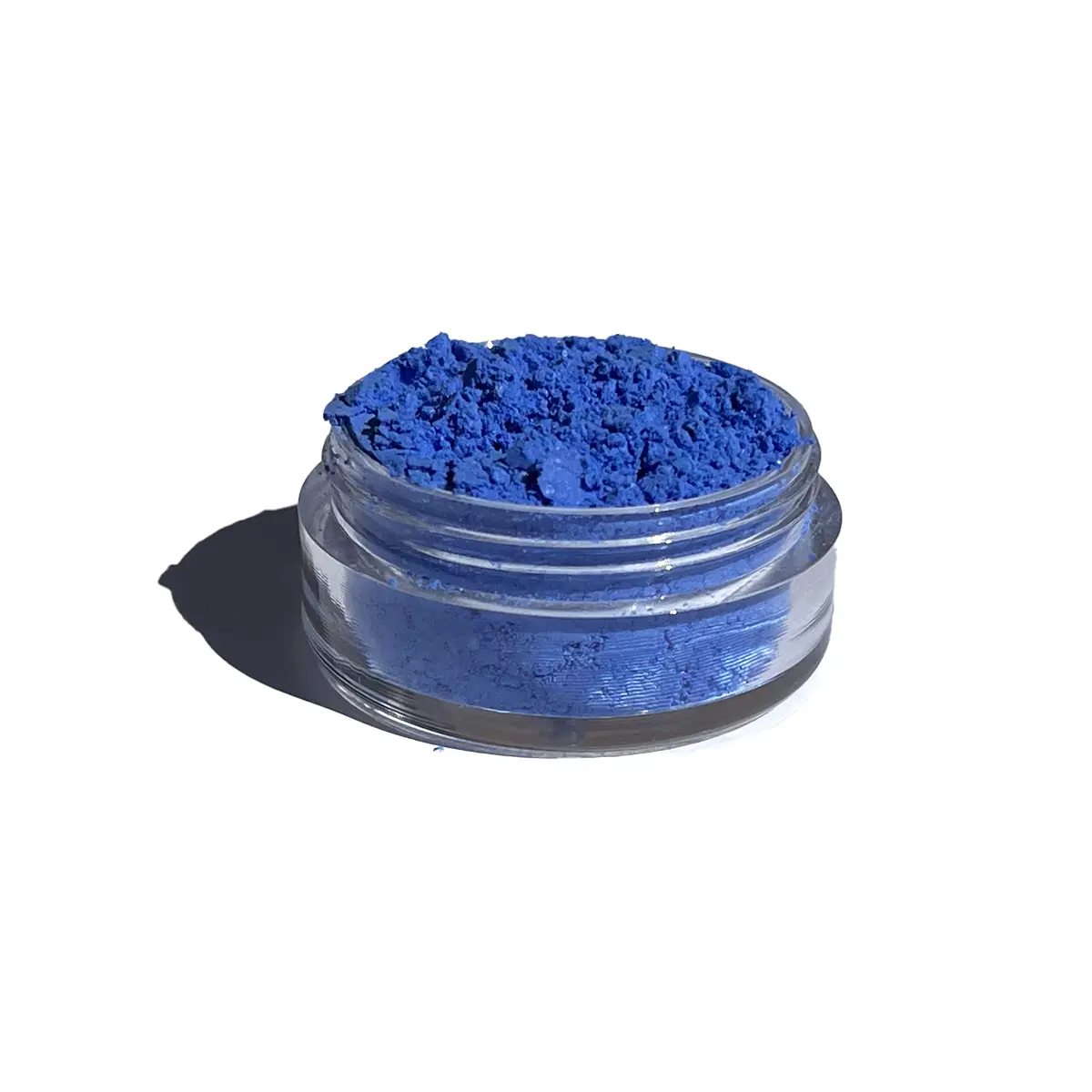
That is why his protocol starts with bioavailable copper, introduced at a low dose and raised slowly. We sell Albion copper bisglycinate, the chelated form the book favors, as 10mg capsules and as a powder that lets you measure small amounts with the included scoop (the small side holds roughly 2.6 to 3.9mg of copper). For dosing and the full sequence, go to the book itself, and for a broader background read Ethan's Copper 101 overview. If you are just starting, our mineral optimization quick start walks through the first steps, and you can compare options on the 10mg copper bisglycinate capsules page.
Common questions
Does copper help with iron absorption?
Copper is required to move absorbed iron out of gut cells and into the blood. The copper enzymes hephaestin and ceruloplasmin oxidize iron as it leaves through ferroportin so it can bind to transferrin.
What is the relationship between copper and iron?
Iron carries oxygen and supports energy production, while copper enzymes manage how iron is exported, transported, and kept in its stable ferric form. The book treats them as a pair that has to stay in balance.
Can low copper cause iron to build up?
That is the book's position. Without enough bioavailable copper, ferroxidase activity drops, iron stays inside cells and tissues, and less of it circulates on transferrin.
Should you take iron and copper together?
Ethan's protocol lists iron supplements and iron-fortified foods as things to stop, and puts bioavailable copper at the center instead. The book covers the full approach and dosing.
How much iron is added to fortified foods?
Fortification with iron filings began in the 1940s, and the FDA raised levels by 50% in 1969. The book notes these filings absorb at an estimated 60%, far above most food iron.
Pure Minerals copper bisglycinate
Albion copper bisglycinate in capsules and powder, with free US shipping and a 30-day money-back guarantee.