Mineral Optimization Protocol Quick Start: The Order of Starts and the Rules That Matter
Mineral balancing, in the Minerals Revolution protocol, means restoring copper and magnesium, reducing iron burden, and removing toxic inputs. The book adds fifteen starts in order, from adrenal cocktails to MSM, one change at a time, slowly, over a 6 to 18 month window as needs decline.
What mineral balancing means in the Minerals Revolution protocol
Mineral balancing, as Ethan Fialkow lays it out in Minerals Revolution, is the work of correcting the imbalances that modern life has built into most of us. The book's view is blunt. Most people run low on bioavailable copper and magnesium, carry more iron than they can manage, and absorb a steady stream of toxins from food, water, and personal care products. The protocol exists to steady the body, restore healthy metabolism, and give it the raw materials to clear what has piled up.
This page is a map of that protocol at the level of step names. We cover the philosophy, the order the book introduces each start, and the ground rules that keep the process tolerable. We do not cover amounts. Doses, stages, and timing detail live in the book, and that is where you should get them.
Five principles behind the mineral optimization protocol
Before anything gets added, the book sets a handful of rules. They matter more than any single supplement.
- Go slow. Every start is introduced gradually and increased over weeks or months, at a pace your body sets.
- Change one thing at a time. When you add a single item and wait, you can tell what it is doing. Stack five at once and you learn nothing.
- Stops matter as much as starts. If the toxic inputs keep coming, the body stays in a constant state of detox. Our guide to what to stop taking covers that half of the plan.
- Think in a 6 to 18 month window. The book's guidelines are built for the first stretch of repletion, not for life.
- Needs drop as you resaturate. As tissue stores refill, the book expects needs to fall, especially for magnesium, vitamin A, vitamin E, and blood donation.
Every body differs, and the book frames its steps as general guidelines that fit most people.
The order of starts in the mineral optimization protocol
The book lists fifteen starts. Here they are in sequence, with the reasoning the book gives for each.
- Adrenal cocktail with whole-food vitamin C. This opens the protocol. It supplies potassium, sodium, and the vitamin C complex the adrenal glands lean on heavily. Read whole food vitamin C vs ascorbic acid for why the book prefers the food form here.
- Trace mineral drops in water. The book calls this the missing piece in hydration. Water once carried a natural spread of trace minerals, and purified water does not, so drops go back in.
- Magnesium. Malate during the day because it tends to energize. Glycinate in the evening because it tends to relax. Our page on copper and magnesium explains why these two minerals travel together.
- B vitamins, ideally from food. Organ meats (organic grass-fed beef liver above all), pasture-raised eggs, and shellfish lead the list, with a supplement as a fallback.
- Daily sun. Morning light on as much skin as is comfortable. The book notes that sun tolerance tends to improve as copper status improves.
- Ancestral diets. Whole foods, no processed oils, no added iron or vitamins, and a diet matched to your own heritage and season.
- Whole-food vitamin E. Taken with a fatty meal for absorption.
- Boron. The book describes boron as supporting liver function, helping keep copper and iron in proper balance, and acting as a cofactor for magnesium absorption. It is also a strong detoxer, so it goes in slowly.
- Retinol via cod liver oil. Retinol is the animal form of vitamin A, and the book considers it essential for loading copper into ceruloplasmin. See retinol and copper.
- Taurine. A sulfur amino acid that supports liver copper metabolism and bile production, which in turn supports retinol absorption. People who are sulfur-sensitive are told to wait and go slowly.
- Silica. The book uses a natural silica source for its support of connective tissue and its role as a catalyst for copper activity.
- Copper. The center of the protocol. It starts low and climbs slowly, and as intake rises the book brings in additional cofactors. Everyone's need differs based on how deficient they are and how well they use copper.
- Iodine with selenium. The book recommends checking selenium status before iodine begins, and pairing the two as iodine increases.
- Whole blood donation. The book's answer to excess stored iron. Donating whole blood relieves the burden of unbound iron and prompts the body's iron recycling system. The book expects this to become less necessary as copper status rises.
- MSM. A sulfur compound added late in the sequence, once the earlier foundation is in place.
The order is deliberate. The early steps (electrolytes, trace minerals, magnesium, food, light) build a base that makes the later, more active steps easier to handle. Copper sits in the middle of the list, yet the book calls it fundamental to the whole program.
Why copper sits at the center of mineral balancing
The book's case for copper runs through ceruloplasmin, the copper protein that manages iron. Ceruloplasmin's ferroxidase activity converts reactive iron into a form proteins can carry, and copper is required to activate ferroportin, the only known exporter of iron out of cells. Without enough bioavailable copper, iron gets stuck in tissues and in the mitochondria, where it drives oxidative stress and interferes with energy production. Our page on ceruloplasmin goes deeper.
Copper fear is overblown in the author's view. The commonly cited upper limit for adults is 10mg per day, and Ethan considers that figure conservative. The protocol still begins low and increases slowly because higher copper tends to set off detox, and pacing is what keeps that manageable. For a full look at safety, see is copper toxic.
Choosing a copper form for the protocol
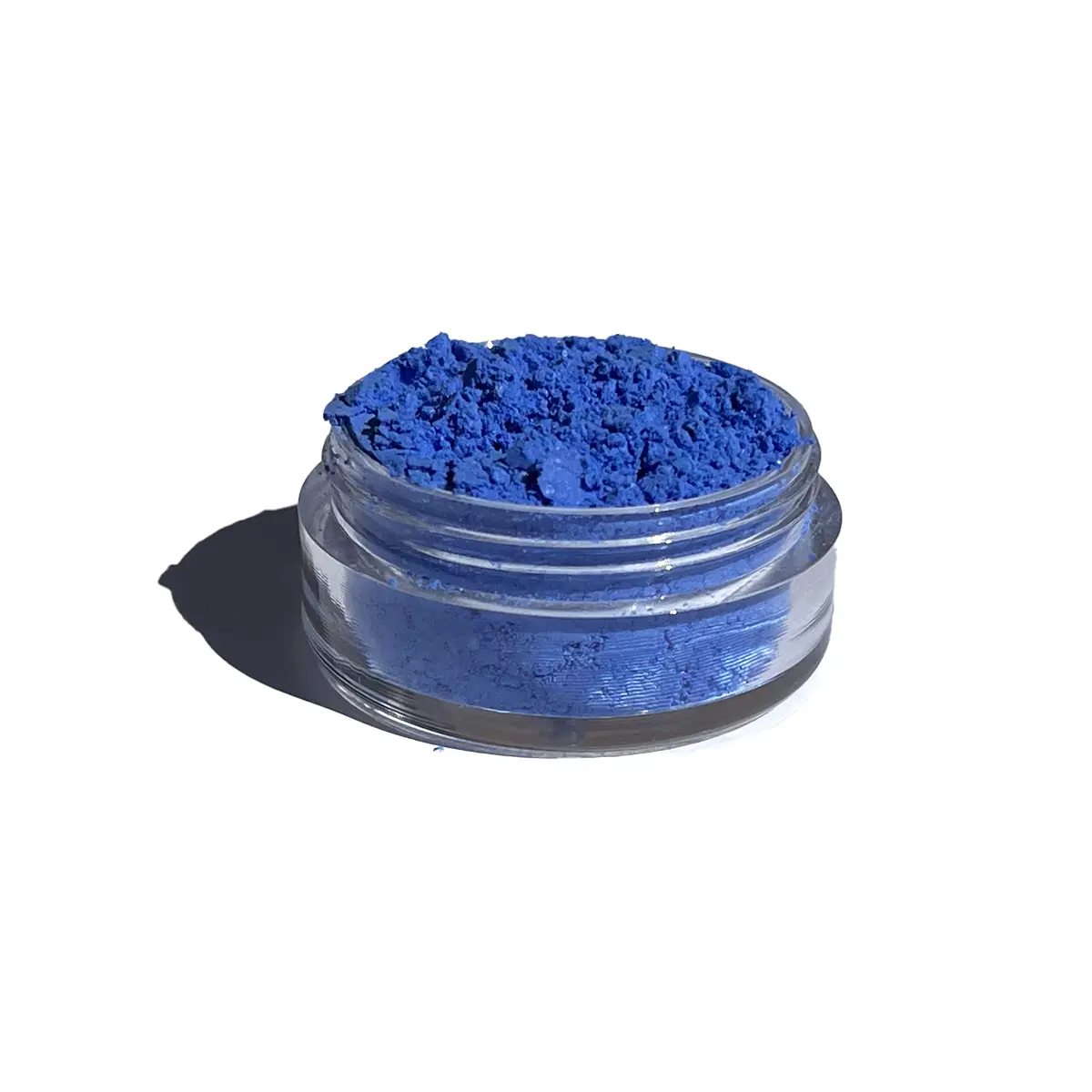
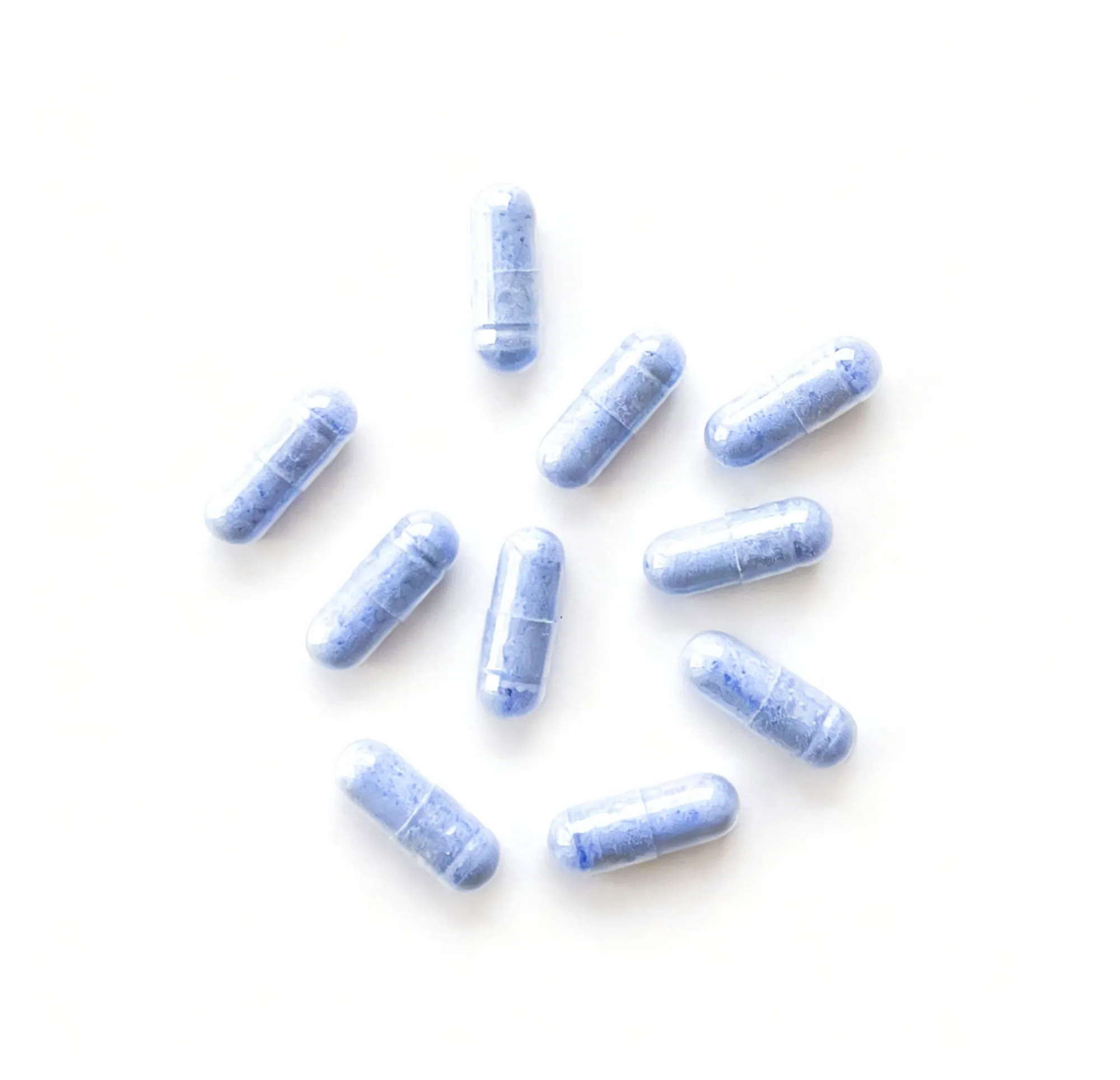
The book favors copper bisglycinate, a chelated form bound to glycine. We sell Albion copper bisglycinate in two formats. The 3g powder jar holds roughly 780mg of copper (the powder is about 26% copper), and the included scoop lets you take a small or large measure, which suits the slow build the book describes. The 10mg capsules give a fixed, simple amount for people who prefer not to measure. Capsule shells are bovine gelatin.
For how much to take and when to move up, go to Minerals Revolution. The book lays out the sequencing, the cofactors that come in as copper rises, and the timing for each step in far more depth than a single page can.
What to expect in the first months of mineral optimization
The book describes an early lift in energy for many people once copper begins. Detox often follows. That is the reason for the slow pace and the single-change rule: when something feels off, you know which step caused it and can hold or pull back. Over the 6 to 18 month window, the book expects several needs to shrink as the body refills its stores, so the protocol you run in month two will not look like the one you run in month fourteen.
Ethan's earlier overview, Copper 101, and his recommended supplements list are useful companions while you work through the steps.
Common questions
What is the first step in the mineral optimization protocol?
The book starts with an adrenal cocktail made with whole-food vitamin C. It supplies potassium, sodium, and the vitamin C complex that the adrenal glands rely on.
How long does mineral balancing take?
The book's guidelines cover roughly the first 6 to 18 months. During that window, needs for several nutrients tend to drop as the body resaturates.
Can I start all the supplements at once?
The book says no. Add one change at a time and increase slowly so you can tell what each step is doing and adjust if detox feels heavy.
Where do I find doses for the mineral optimization protocol?
Doses, stages, and timing are in the book Minerals Revolution by Ethan Fialkow. This page covers the order and philosophy only.
Why does the protocol include stopping things?
The book weighs stops equal to starts. If toxic inputs keep coming in, the body stays in a constant state of detox and the starts cannot do their work.
What form of copper does the protocol use?
The book favors copper bisglycinate, a chelated form. Pure Minerals sells Albion copper bisglycinate as a 3g powder and as 10mg or 20mg capsules.
Pure Minerals copper bisglycinate
Albion copper bisglycinate in capsules and powder, with free US shipping and a 30-day money-back guarantee.