Ceruloplasmin: The Copper Protein Nobody Tests
Ceruloplasmin is a copper protein made in the liver that carries 70 to 95 percent of the copper in your blood. It works as a ferroxidase, converting reactive ferrous iron into ferric iron so it can leave cells and load onto transferrin. Without enough copper, iron stays stuck in tissue.
Ask for a standard blood panel and you will get iron, ferritin, and maybe a hemoglobin count. Ceruloplasmin almost never makes the list. That gap matters, because this single copper protein decides much of what happens to iron in your body. Ethan Fialkow's book, Minerals Revolution, calls it one of the body's most important and least appreciated enzymes.
What is ceruloplasmin?
Ceruloplasmin is a large copper-containing protein made in the liver and released into the blood. The book describes it as the most complex protein in the human body: 1,046 amino acids with 6 to 8 copper atoms that must sit in exactly the right positions for the protein to fold and work. Its blue color comes from that copper.
It has several jobs at once. It carries copper out to tissues. It acts as an enzyme that keeps iron in a safe form and moving. It also works as an antioxidant, which is why the book calls it the master antioxidant enzyme. For the wider picture of copper enzymes, see what copper does for the body.
Ceruloplasmin carries 70 to 95 percent of blood copper
After you absorb copper, it travels to the liver. The liver loads copper into proteins and sends them back into circulation. Most of the copper leaving the liver, somewhere between 70% and 95%, is bound to ceruloplasmin. The exact share varies from person to person with hormonal cycle, season, and copper status. The rest travels on albumin and amino acids, and extra copper exits through bile.
This makes ceruloplasmin the main copper carrier in the blood and the liver's main tool for controlling how much copper reaches the rest of the body. The Linus Pauling Institute gives a standard overview of copper transport if you want the textbook version.
Ceruloplasmin ferroxidase activity: turning ferrous iron into ferric iron
Iron exists in two main forms in the body. Ferrous iron (Fe2+) donates electrons easily, which makes it reactive. It can turn hydrogen peroxide into free radicals that damage DNA, proteins, and cell membranes. Ferric iron (Fe3+) accepts electrons and can bind to proteins safely.
Ceruloplasmin is a ferroxidase. It converts ferrous iron into ferric iron. That one reaction does two things for you. It removes a source of oxidative damage, and it puts iron into the form that the body can transport.
How ceruloplasmin loads iron onto transferrin
Transferrin is the protein that carries iron through the blood. It only accepts ferric iron. So before iron can travel, it has to be oxidized, and ceruloplasmin handles that step.
There is a gate involved too. The only known exporter of iron out of cells is a protein called ferroportin. Iron leaving gut cells, liver cells, and the macrophages that recycle old red blood cells all has to pass through it. The book explains that ferroportin depends on ferroxidase activity from copper enzymes to release iron. Here is the sequence in order:
- Iron sits inside a cell, such as a gut cell or a recycling macrophage.
- Ferroportin moves it to the cell surface.
- Ceruloplasmin oxidizes it from ferrous to ferric.
- Transferrin picks up the ferric iron and carries it to where it is needed, including bone marrow for new red blood cells.
When ceruloplasmin is short on copper, this chain slows. Iron stays inside cells and accumulates in tissues and organs. The book also cites research showing that defects in the ceruloplasmin gene keep copper from being loaded into the protein, and that the result is iron buildup. Read more on copper and iron.
Why ceruloplasmin rises with inflammation
Ceruloplasmin is an acute phase reactant. Levels in the blood climb during inflammation, infection, and trauma. Much of mainstream medicine reads that rise as a sign that copper is part of the problem. The book reads it the other way around.
Ethan's position is that injury and stress trigger the body to send more copper out through ceruloplasmin to protect and repair tissue. Copper takes part in every stage of wound healing, and copper complexes have a long history in wound care. So elevated ceruloplasmin during inflammation reflects the body's defense at work. The research on copper and skin repair fits this picture.
Why a ceruloplasmin test can mislead
Ceruloplasmin can circulate full of copper or partly empty. A lab number tells you how much of the protein is present. It says little about how much copper that protein holds. Since inflammation pushes levels up, a high result can appear in someone whose tissues are short on copper. A low result can reflect many things besides intake.
Add the fact that most of the body's roughly 110 mg of copper sits in tissue rather than blood, and you can see why the book considers serum markers a weak guide to copper status. Our copper deficiency symptoms page covers the signs worth watching instead.
Retinol and ceruloplasmin: loading copper into the protein
Copper alone is not enough. The book states that retinol, the preformed vitamin A found in animal foods like liver, egg yolks, butter, and cream, is vital for loading copper into ceruloplasmin. Without it, the liver can produce ceruloplasmin that carries less copper than it should.
Taurine plays a supporting part. It supports liver copper metabolism and bile production, which helps retinol absorption, and retinol in turn supports ceruloplasmin. The book also notes that supplemental vitamin D reduces retinol availability. Retinol can reach toxic levels from supplements, and StatPearls summarizes vitamin A toxicity. Our page on retinol and copper explains the book's approach.
Wilson's disease and low ceruloplasmin
Wilson's disease is a rare genetic disorder caused by a mutation in the ATP7B gene, one of the body's copper pumps. The book puts its frequency at roughly 1 in 30,000. In Wilson's disease, copper accumulates in the liver while copper in the blood, copper in the rest of the body, and ceruloplasmin all run low. This is a copper-handling problem rooted in genetics, and the book advises confirming you do not carry this mutation before taking supplemental copper. See is copper toxic for more context.
Supporting ceruloplasmin with bioavailable copper
Ceruloplasmin can only do its job when the liver has copper to load into it. The book's protocol pairs bioavailable copper with retinol and removes items that push iron higher, like fortified foods. Doses start low and increase slowly. Full detail is in Minerals Revolution, and our mineral optimization quick start gives an overview.
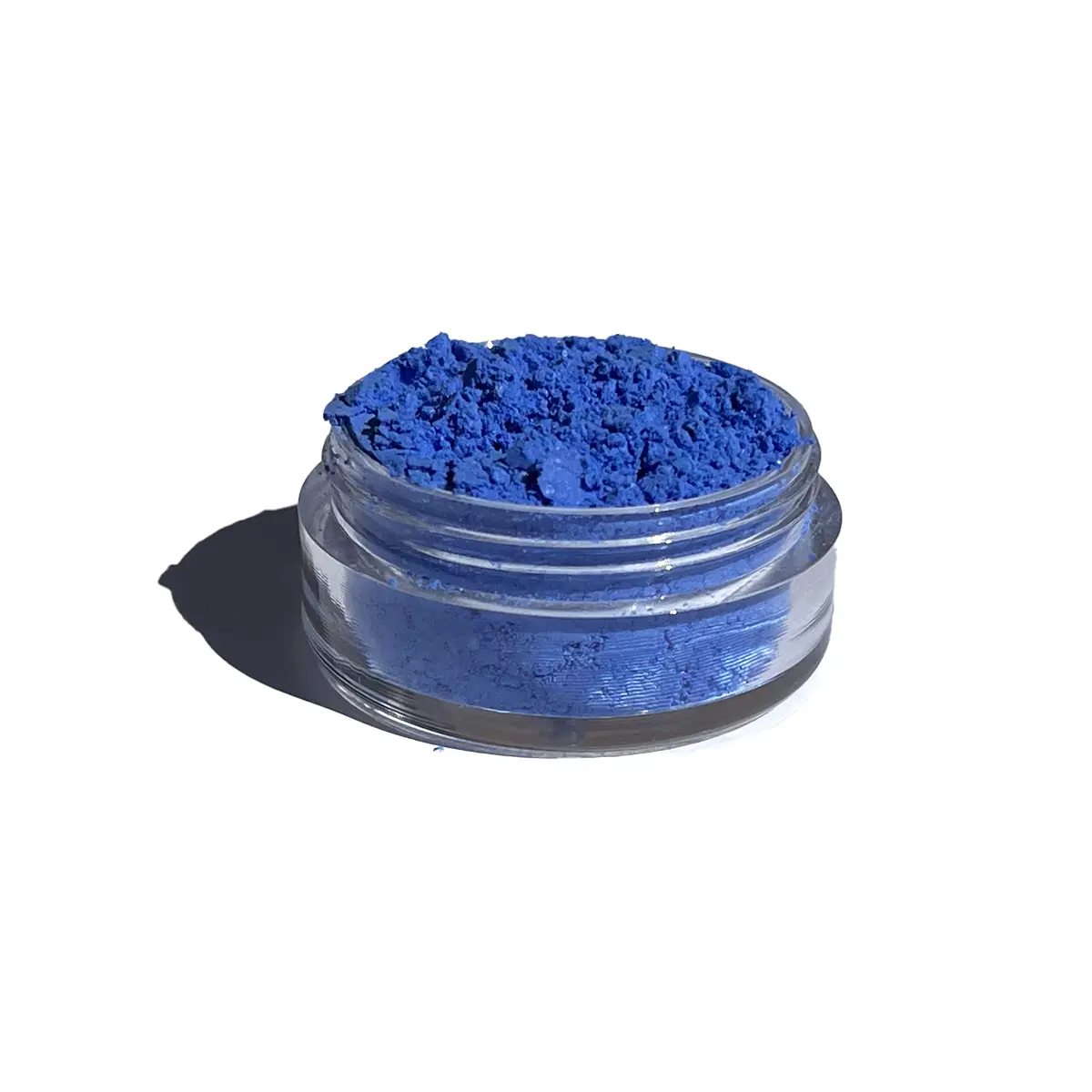
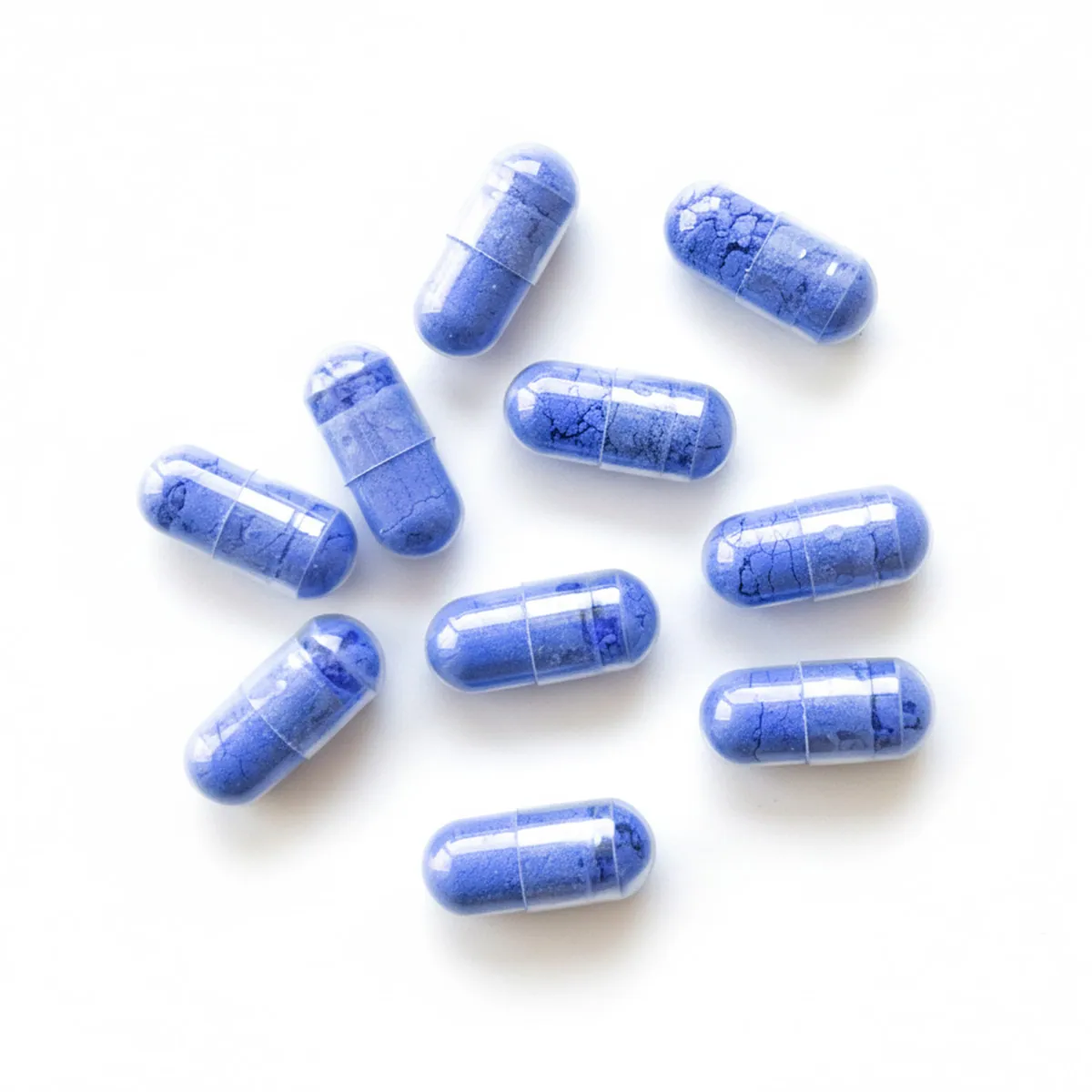
We use Albion copper bisglycinate. The 3g copper bisglycinate powder is about 26% copper, roughly 780 mg per jar, with a scoop whose small side holds about 2.6 to 3.9 mg of copper and whose large side holds about 6.5 to 7.8 mg. The 20mg capsules give a fixed amount per capsule in a bovine gelatin shell.
Common questions
What is ceruloplasmin?
Ceruloplasmin is a copper-containing protein made in the liver. It carries most of the copper in blood and acts as a ferroxidase that converts iron into a form transferrin can carry.
What does ceruloplasmin do with iron?
It oxidizes ferrous iron into ferric iron, which lets iron leave cells through ferroportin and load onto transferrin. Without enough copper in ceruloplasmin, iron tends to stay stuck in tissues.
Why is ceruloplasmin high?
Ceruloplasmin is an acute phase reactant, so it rises with inflammation, infection, and injury. The book views this rise as the body sending out copper to protect and repair tissue.
What does low ceruloplasmin mean?
Low ceruloplasmin is a hallmark of Wilson's disease, a rare genetic copper-handling disorder. Outside that, a single number says little about how much copper your tissues hold.
Does vitamin A affect ceruloplasmin?
Yes. The book states retinol, the preformed vitamin A from animal foods, is vital for loading copper into ceruloplasmin.
How much copper does ceruloplasmin carry?
Between 70% and 95% of the copper in blood is bound to ceruloplasmin, with the share varying by person, season, and copper status. Each molecule holds 6 to 8 copper atoms.
Pure Minerals copper bisglycinate
Albion copper bisglycinate in capsules and powder, with free US shipping and a 30-day money-back guarantee.