Iron Dysregulation: Why Iron Gets Stuck in Tissue and What the Book Says to Do
Iron dysregulation is iron that has fallen out of balance: unbound, stored in tissues and mitochondria, and no longer circulating on transport proteins. In Minerals Revolution, Ethan Fialkow links it to low bioavailable copper, excess dietary iron, oxidative stress, and reduced cellular energy output.
Iron is essential. It carries oxygen, it is part of how mitochondria are built, and cells need it to make ATP. The trouble starts when iron slips out of its tightly managed system. Ethan Fialkow's book, Minerals Revolution, treats this loss of balance as one of the central problems of modern health, and we build our educational content on that position.
What iron dysregulation means
Healthy iron is mobilized. It rides on transferrin in the blood and sits inside red blood cells. Dysregulated iron has come loose from that system and settles into organs, tissues, and the mitochondria inside cells.
The body has a hard time correcting this on its own. Iron absorption works as a one-way process, and the book notes there is no good exit route for extra iron other than bleeding. So once iron accumulates, it tends to stay.
Copper sits at the center of the story. Moving iron out of cells requires ferroportin plus a copper-based ferroxidase enzyme such as ceruloplasmin. When bioavailable copper runs short, iron cannot leave cells efficiently and builds up. Our copper and iron guide walks through that export pathway step by step.
How excess iron creates oxidative stress
Iron's usefulness and its danger come from the same trait: it gives and takes electrons easily. That lets iron catalyze the conversion of hydrogen peroxide into free radicals, a reaction chemists call Fenton chemistry. Free radicals can damage DNA, proteins, lipids, and other cell structures, and enough damage can kill a cell.
The book describes dysregulated, unbound iron as the most significant known source of oxidative stress in the body, and calls iron the master pro-oxidant element on the planet. Iron toxicity at the cellular level shows up when a cell holds free iron, usually once iron levels exceed what transferrin can bind.
Ceruloplasmin is the counterweight. By converting reactive ferrous iron into the stable ferric form, it keeps iron bound and moving. Read more in our ceruloplasmin page.
Iron in the mitochondria and lost ATP
Energy production is where Ethan sees the cost most clearly. Without enough bioavailable copper, he writes, iron builds up inside the mitochondria, and that interferes with the cell's ability to make usable energy (Mg-ATP). The book states that ATP production can vary by at least 40% and by as much as 96% when there is too much iron in the cell or its mitochondria.
Mitochondria also need copper directly. Cytochrome c oxidase, the final enzyme in the energy chain, is a copper enzyme, and superoxide dismutase, which clears the reactive byproducts of that chain, depends on copper as well. Low copper and high iron push in the same direction: less energy and more exhaust.
Why ferritin and serum iron readings can mislead
Standard labs measure iron and related markers in blood serum. Ethan's position is that serum readings say little about what sits in tissues, organs, and bones, which is where most minerals live. Testing those stores directly would take biopsies.
Ferritin is the body's iron storage complex, found in cells throughout the body and concentrated in bone marrow, liver, and spleen. A blood value reflects only a slice of that picture. If copper-dependent export is impaired, iron can be trapped inside cells while circulating iron looks low. By the book's reasoning, a low serum reading in that situation points to an iron transport problem, and piling on more iron adds to the stuck load.
Ceruloplasmin readings carry their own caveat. The book notes that ceruloplasmin rises in response to inflammation and stress, so a blood level does not map neatly to copper status either.
The book's first step: stop iron supplements and fortified foods
The protocol's list of things to stop opens with iron: iron supplements, iron-fortified foods, and anything labeled with added iron. Ethan considers the inorganic iron filings added to flour and processed foods the most harmful form, with an estimated absorption around 60%. The book's ancestral diet guidance repeats the point: avoid foods with added iron or vitamins.
In practice this means reading labels on bread, cereal, pasta, and multivitamins. Our what to stop taking page covers the full list.
The book's blood donation step
Because bleeding is the body's main way to shed iron, the protocol includes regular blood donation. Ethan's reasoning is that most people are copper and magnesium deficient and carry excess iron, and donating relieves the burden of unbound iron while prompting the body's recycling system to pull stored iron back into use.
- The book specifies whole blood donation, not platelets, plasma, or double red cell donations.
- It gives a separate donation schedule for men and post-menopausal women and for women who are still cycling.
- For people who cannot donate through a blood bank, it mentions asking a physician about therapeutic phlebotomy.
- It notes that at higher copper intake, some people may eventually no longer need to donate.
Where copper fits in rebalancing iron
Ethan writes that only with sufficient copper can the body hold iron in balance, and that a higher copper intake is what allows the body to move excess iron out of tissues. The protocol introduces copper bisglycinate low and raises it gradually. The specific amounts and stages are in the book, and background reading is available in Ethan's Copper 101 overview.
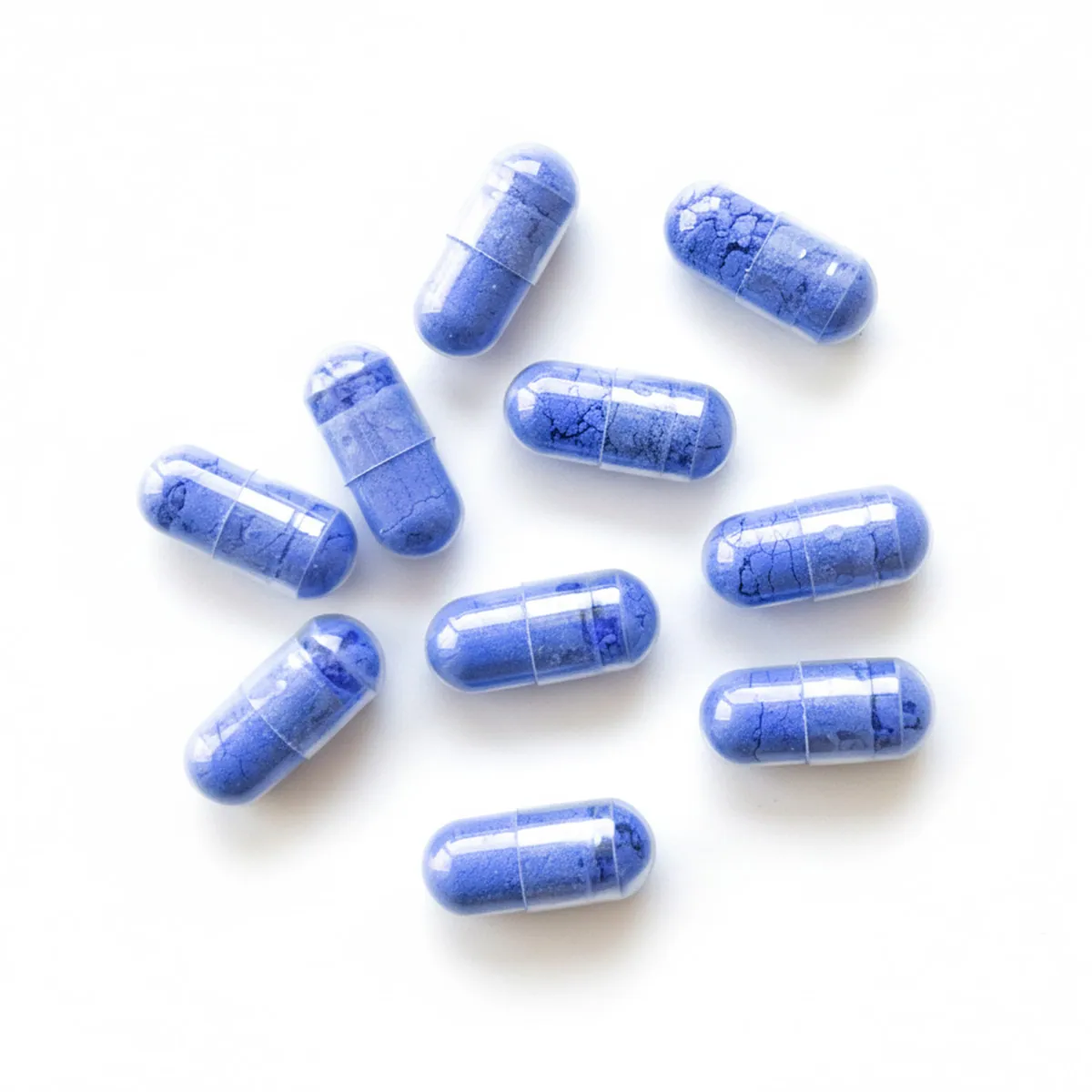
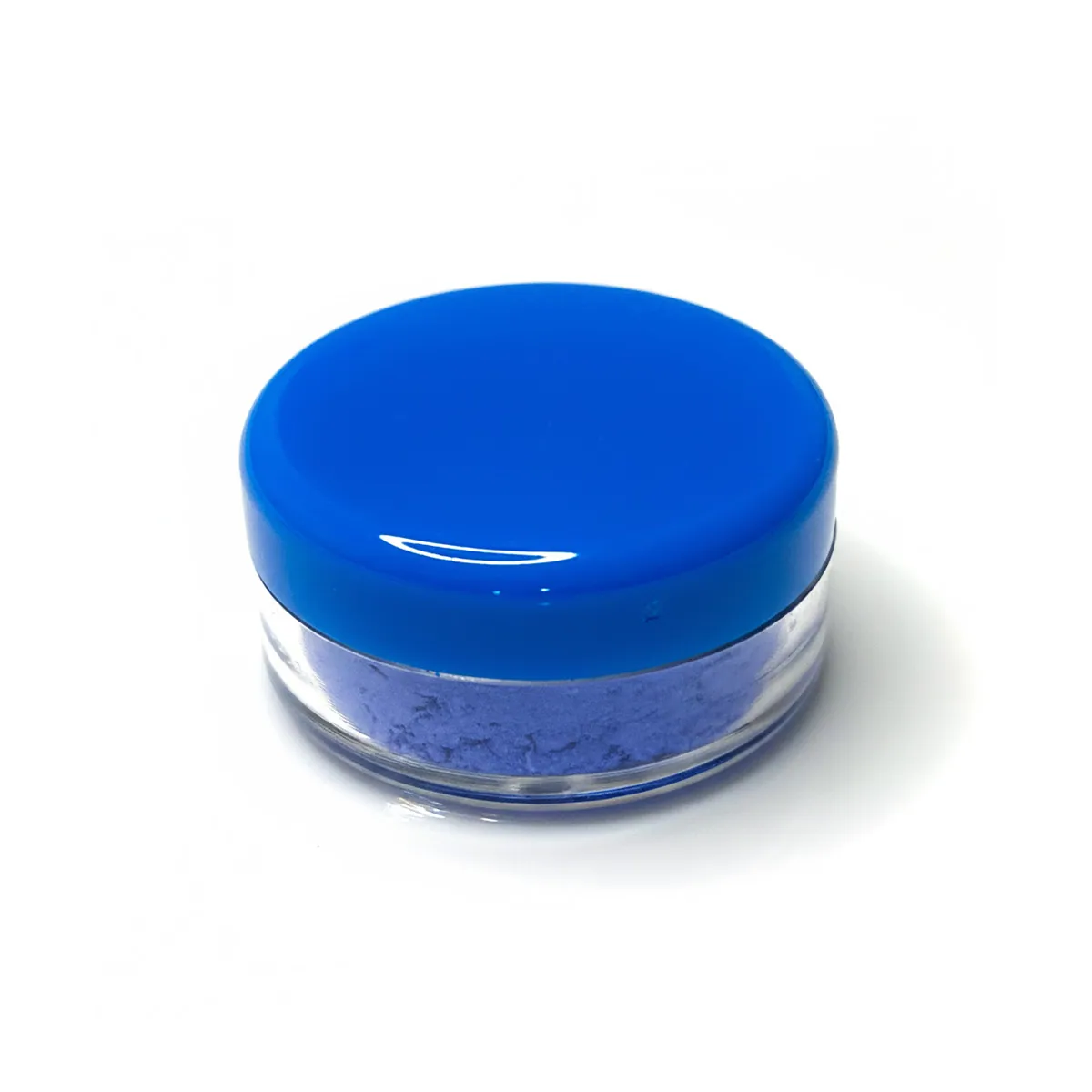
For people further along, we offer 20mg copper bisglycinate capsules and a 6g powder pack (two 3g jars, each holding about 780mg of copper). Pair this with the mineral optimization quick start for the order of operations.
Common questions
What is iron dysregulation?
It is iron that has fallen out of balance and settled in tissues, organs, and mitochondria instead of circulating on transferrin and in red blood cells. The book ties it to low bioavailable copper and high iron intake.
How does excess iron cause oxidative stress?
Free iron can convert hydrogen peroxide into free radicals. Those radicals damage DNA, proteins, and lipids inside cells.
Can ferritin be normal while iron is stuck in tissue?
The book's position is that blood tests miss what sits in tissues and organs. When copper-dependent export is impaired, iron can stay trapped in cells while blood readings look normal or low.
Why does the book recommend donating blood?
Bleeding is the body's main way to release iron. Ethan recommends whole blood donation to reduce the load of unbound iron and push the body to recycle stored iron.
Should I stop taking iron supplements?
Iron supplements, iron-fortified foods, and products with added iron are the first item on the book's stop list. Ethan considers the iron filings in fortified foods the most harmful form.
How does iron affect energy production?
According to the book, excess iron in cells and mitochondria can lower ATP output by at least 40% and as much as 96%.
Pure Minerals copper bisglycinate
Albion copper bisglycinate in capsules and powder, with free US shipping and a 30-day money-back guarantee.