What to Stop Taking: The Anti-Minerals List From Minerals Revolution
Anti-minerals are substances that block mineral absorption or function. The Minerals Revolution stop list covers iron supplements and fortified foods, synthetic vitamins, vitamin D3, calcium pills, one-a-day multis, HFCS, alcohol, smoking, processed oils, fluoride, bromide, colloidal silver, high oxalate foods, and plastics.
What anti-minerals are and why the book puts them first
Anti-minerals are substances that block the absorption or the function of the minerals your body depends on. In Minerals Revolution, Ethan Fialkow lists them before a single supplement is added, and the instruction is firm: view them as toxic and work to remove them from your life. The logic is simple. If the harmful inputs keep arriving, the body spends its resources clearing them and never gets ahead. Stopping is half of the mineral optimization protocol.
Below is the book's stop list, grouped, with the reasoning behind each group.
Iron supplements and iron-fortified foods
This is the top item on the list. Iron supplements, enriched flour, fortified cereals, and anything labeled "added iron" all go. The book traces fortification back to the 1940s, when inorganic iron was added to flour and grain products, and notes that the FDA raised the amount in many foods by 50% in 1969 over the objections of dozens of scientists. Iron is highly oxidizing, the body recycles almost all of what it already has, and it has no good exit route for the excess other than blood loss. Without enough bioavailable copper, that surplus lodges in tissues. Our pages on iron dysregulation and copper and iron cover the mechanism.
What supplements to avoid: synthetic vitamins, vitamin D3, calcium, and one-a-day multis
Synthetic vitamins
The book's stance is that nature knows best. Many isolated, lab-made vitamins are poorly absorbed compared with their food counterparts, and there is open debate over whether the body handles some of them as a toxin. The book's default is to get vitamins from whole food wherever possible. The clearest example is vitamin C, covered in whole food vitamin C vs ascorbic acid.
Vitamin D3 supplements and vitamin D fortified foods
The book's reasoning here runs through retinol. Supplemental vitamin D reduces retinol absorption, and the higher the D intake, the less retinol is left available. Retinol is what loads copper into ceruloplasmin, and active vitamin D itself depends on a receptor partner that requires retinol. The book's preferred route to vitamin D is daily sun. See retinol and copper for more.
Calcium supplements
Calcium pills sit on the anti-mineral list as inputs that throw off mineral balance. The book's point about calcium is bioavailability: the amount on a label or in a food tells you little about what the body can use. Calcium from whole foods, such as raw grass-fed dairy when tolerated, stays part of the diet.
One-a-day multivitamins and prenatals
Standard multis bundle the problem items into one tablet: added iron, synthetic vitamins, vitamin D, and calcium. Prenatal formulas are built the same way, usually with more iron than an ordinary multi. The book puts both on the stop list for the same reason. If you want the nutrients a multi claims to deliver, the book routes you to food and to the individual items in the protocol, where you control the form and the amount.
Sugars, high-fructose corn syrup, and artificial sweeteners
High-fructose corn syrup and artificial sweeteners are on the list outright, and processed sugars should be cut back hard. The book cites research showing that simple sugars such as fructose and sucrose inhibit copper absorption. Whole fruit in moderation is fine.
Alcohol, cigarettes, and cannabis
Drinking alcohol and smoking both make the list. The book includes cannabis and CBD in the smoking group. The book counts these as direct toxic loads the body has to process, which pulls resources away from rebuilding mineral status.
Processed foods and processed oils
Refined, processed foods lost key nutrients during manufacturing, and the book names retinol, magnesium, and copper among the casualties. Processed and hydrogenated oils (soybean, corn, canola, and similar) are singled out. The book notes that U.S. soybean oil consumption rose more than 1,000-fold per person across the 20th century while butter and lard fell. Even the better oils oxidize with time and light, so the ancestral diet approach favors whole foods and traditional fats.
Fluoride, bromide, and other halogens
Fluoride in toothpaste and water, bromide, and every halogen other than iodine should be avoided. The book explains that these halogens are chemically similar to iodine, have become common in water and food, and interfere with iodine's work in the body. The book's position is that clearing fluoride and bromide takes more copper than a bare-minimum intake provides.
Colloidal silver
Colloidal silver is on the anti-mineral list by name. The book asks readers to drop it along with the other items that disrupt mineral function.
High oxalate foods, smoothies, and green drinks
Oxalates bind minerals and block their absorption. The book's example is spinach, where only about 5% of the calcium is bioavailable because of oxalates. High oxalate foods should be minimized. Smoothies and green drinks should be limited to deliberate detox use as binders, since the book considers drinking calories a frequent source of problems.
Plastics, cans, blue light, and EMFs
Limit plastic bottles and canned foods, which expose you to plasticizers and endocrine disruptors. The book also asks you to limit blue light and EMF exposure from electronic devices, noting that EMFs affect the voltage-gated calcium channels in cell membranes.
Environmental toxins and endocrine disruptors to avoid
The book closes the stop list with a long roster of chemicals found in personal care, cleaning, and household products. A condensed version:
- Formaldehyde and formaldehyde releasers (paraformaldehyde, methylene glycol, quaternium-15)
- Mercury
- Phthalates (DBP, DEHP, DEP), often hidden in fragrance
- Synthetic fragrances
- Long-chain PFAS
- Phenylenediamines in hair dyes
- Parabens
- SLS and SLES
- Triclosan and triclocarban
- BHA and BHT
- EDTA and ethanolamines (MEA, DEA, TEA)
- Hydroquinone
- Methylisothiazolinone and methylchloroisothiazolinone
- Toluene
- Chemical sunscreen filters: octinoxate, oxybenzone, avobenzone
- Benzalkonium chloride
Read labels and swap products gradually. You do not need to overhaul your bathroom in a weekend.
What to add once the stops are in place
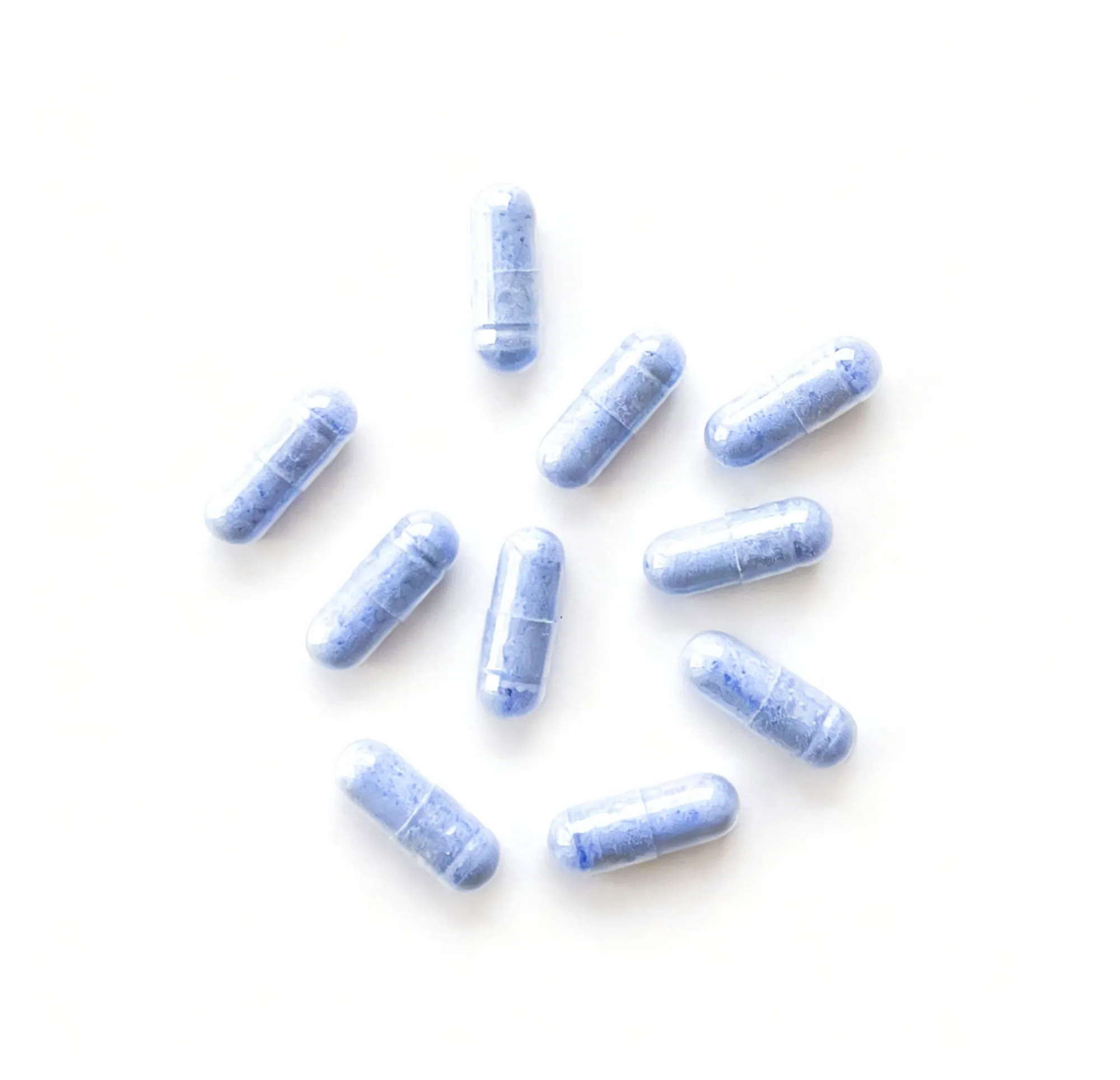
With the stops underway, the book's starts can do their work. Copper is central to that list. We sell Albion copper bisglycinate as 10mg capsules, a simple fixed amount for people who like to keep things plain. Ethan's recommended supplements list shows the brands he uses, and the book covers dosing and sequencing.
Common questions
What are anti-minerals?
Anti-minerals are substances that inhibit the absorption and function of minerals. The book Minerals Revolution asks readers to view them as toxic and remove them.
Why does Minerals Revolution say to stop taking vitamin D3?
The book's position is that supplemental vitamin D reduces retinol absorption. Retinol is needed to load copper into ceruloplasmin, so the book favors daily sun instead.
Should I avoid iron-fortified cereal and bread?
Yes, in the book's view. Enriched flour and fortified cereals add inorganic iron that the body has no easy way to excrete.
What supplements should I avoid on a mineral balancing protocol?
The book lists iron, vitamin D3, calcium, one-a-day multivitamins, synthetic vitamins, and colloidal silver as supplements to stop.
Why is fluoride on the stop list?
Fluoride is a halogen that the book says interferes with iodine function. Bromide and other non-iodine halogens are on the list for the same reason.
Do I have to stop everything at once?
No. The book encourages a steady, gradual approach, and swapping personal care products one at a time is a practical way to work through the list.
Are prenatal vitamins on the stop list?
Yes. The book treats prenatals like any other one-a-day multi, and they usually carry more added iron than a standard multi.
Pure Minerals copper bisglycinate
Albion copper bisglycinate in capsules and powder, with free US shipping and a 30-day money-back guarantee.