What Does Copper Do for the Body? Enzymes, Energy, and Iron
Copper powers enzymes that make ATP energy in your mitochondria, neutralize reactive oxygen species, build collagen and pigment, and move iron through ceruloplasmin. An adult carries about 110 mg of copper, mostly in bones, muscles, skin, bone marrow, and liver, and nearly all of it is bound to proteins.
Copper is one of the least appreciated minerals in human biology. It sits inside the enzymes that make cellular energy, clean up the exhaust from that process, move iron where it belongs, and build the proteins that hold skin and blood vessels together. Ethan Fialkow, author of Minerals Revolution, calls it a core building block of every part of the body. We agree, and this page explains why.
What does copper do for the body at the cellular level?
Copper rarely floats around as a free ion. Nearly every measurable bit of it is bound to a protein or enzyme. Some of those proteins store copper, some carry it through the blood, and many use it as the working part of a chemical reaction. Copper can flip between two states, Cu(I) and Cu(II), and that ability to hand off and accept electrons is what makes it so useful in the redox chemistry of life.
When copper runs low, those enzymes do not necessarily disappear. Their activity drops. The book makes this point directly: most signs of copper shortage trace back to one or more copper-dependent enzymes that can no longer do their job at full speed.
Copper-dependent enzymes and what each one does
The list below covers the enzymes that come up most in the book. Each one depends on copper to function.
| Enzyme | Main job |
|---|---|
| Cytochrome c oxidase | Final step of the electron transport chain in mitochondria, where oxygen is turned into water and most ATP is made |
| Superoxide dismutase (SOD) | Neutralizes superoxide, one of the reactive oxygen species (ROS) produced during energy production |
| Tyrosinase | Produces melanin, the pigment in hair, skin, and eyes |
| Dopamine beta-hydroxylase | Converts dopamine into norepinephrine, part of catecholamine production |
| Lysyl oxidase | Cross-links collagen and elastin so connective tissue and vessel walls hold their shape |
| Ceruloplasmin | Carries copper in the blood and acts as a ferroxidase that keeps iron moving |
| Clotting factor V | Takes part in normal blood clotting |
The Linus Pauling Institute also keeps a solid technical summary of copper's enzyme roles.
Copper, magnesium, and ATP energy production
Your cells turn glucose and oxygen into ATP, the molecule that powers almost everything you do. Most of that work happens in the mitochondria, and the book is blunt about it: there is no greater need for copper than in the mitochondria. Copper is part of the mitochondrial structure itself, and cytochrome c oxidase sits at the end of the electron transport chain.
Magnesium is the partner here. ATP synthase, the tiny rotor that finishes each ATP molecule, needs both copper and magnesium present. Then the finished ATP has to bind to magnesium to become Mg-ATP, the form the body can spend. Without enough of both minerals, the book explains, cells fail to make ATP well and fail to put it into usable form. We cover that pairing in more detail on our copper and magnesium page.
How copper cleans up reactive oxygen species
Making energy creates exhaust. Around 90% of our energy production, and the waste that comes with it, happens in the mitochondria. That exhaust includes reactive oxygen species, often called free radicals. Left unchecked, ROS drive oxidative stress, inflammation, and what the book describes as metabolic dysfunction.
Copper handles this cleanup in several ways. SOD disarms superoxide directly. Cytochrome c oxidase completes the conversion of oxygen into water, so fewer partially reduced oxygen molecules escape. Ceruloplasmin, which the book calls the master antioxidant enzyme, keeps iron in a safe form so it cannot fuel new free radicals. When mitochondria lack copper or magnesium, oxygen is not activated cleanly and oxidative damage piles up.
Copper and iron: why copper moves iron through the body
This is the part of copper biology we think matters most today. Iron has to be released from gut cells and storage cells, then loaded onto its carrier protein, transferrin. The only known exit door for iron out of a cell is a protein called ferroportin. Ferroportin needs ferroxidase activity to work, and that activity comes from copper enzymes, ceruloplasmin chief among them.
Ceruloplasmin converts ferrous iron (Fe2+), the reactive form, into ferric iron (Fe3+), the form that can bind to transferrin and travel safely. Without enough bioavailable copper, iron gets stuck in tissues and organs. The book's position is that modern diets carry far more iron than people need, largely from fortified flour, and that copper is what keeps that iron mobilized. Copper is also required for heme synthesis and for making red blood cells. Read more on copper and iron and on ceruloplasmin.
Where copper lives in the body
A healthy adult of about 70 kg carries roughly 110 mg of copper in total. It is not spread evenly.
| Location | Approximate share of body copper |
|---|---|
| Bones and muscles | 50% |
| Skin | 15% |
| Bone marrow | 15% |
| Liver | 10% |
| Brain | 8% |
Since each tissue uses copper differently, a shortage shows up differently depending on where it hits. It also explains a problem with testing. A blood draw looks at a small fraction of total copper, while most of it sits in tissue. That is why Ethan argues serum numbers can look fine while tissues run short. Our page on copper deficiency symptoms covers the signs people notice.
How copper is absorbed and regulated
Most dietary copper is absorbed in the stomach and small intestine. The share you absorb swings widely, from about 15% to 97%, depending on how much copper the meal holds, what form it is in, and what else you ate with it.
Factors that help copper absorption
- Animal protein in the meal
- Citrate and phosphate
- Chelated forms bound to amino acids, such as copper bisglycinate
Factors that block copper absorption
- High zinc intake
- Cadmium
- High phytate intake from grains and legumes
- Simple sugars such as fructose and sucrose
After absorption, copper goes to the liver. The liver packs it into copper proteins and sends most of it back out in ceruloplasmin, which holds 70% to 95% of the copper in blood. Extra copper leaves mainly through bile. When intake is low, the gut ramps up uptake. This homeostatic system is why the book considers the fear around copper overblown for people without a genetic copper-handling disorder. See is copper toxic for the full discussion.
Copper benefits and why the form of copper matters
The book lists a long run of copper benefits: support for a healthy metabolism, immune function, bone, thyroid activity, hair and skin, wound healing, brain chemistry, and normal growth in children. It also notes that copper is involved in every stage of wound repair and that ceruloplasmin rises during injury as part of the body's own healing response. The research on copper and skin is a good place to see some of this in print.
Getting those copper supplement benefits depends on form. Copper oxide absorbs poorly and tends to upset the stomach. Copper bisglycinate binds one copper ion to two glycine molecules, and that 1:2 structure limits reactions with dietary inhibitors. We use Albion copper bisglycinate for that reason. Our chelated copper page explains the chemistry.
The RDA for copper is 0.9 mg, which the book describes as a survival floor. Adults are commonly told 10 mg a day is the upper limit, a figure Ethan considers conservative. His protocol starts low and increases slowly, and the full approach is laid out in Minerals Revolution.
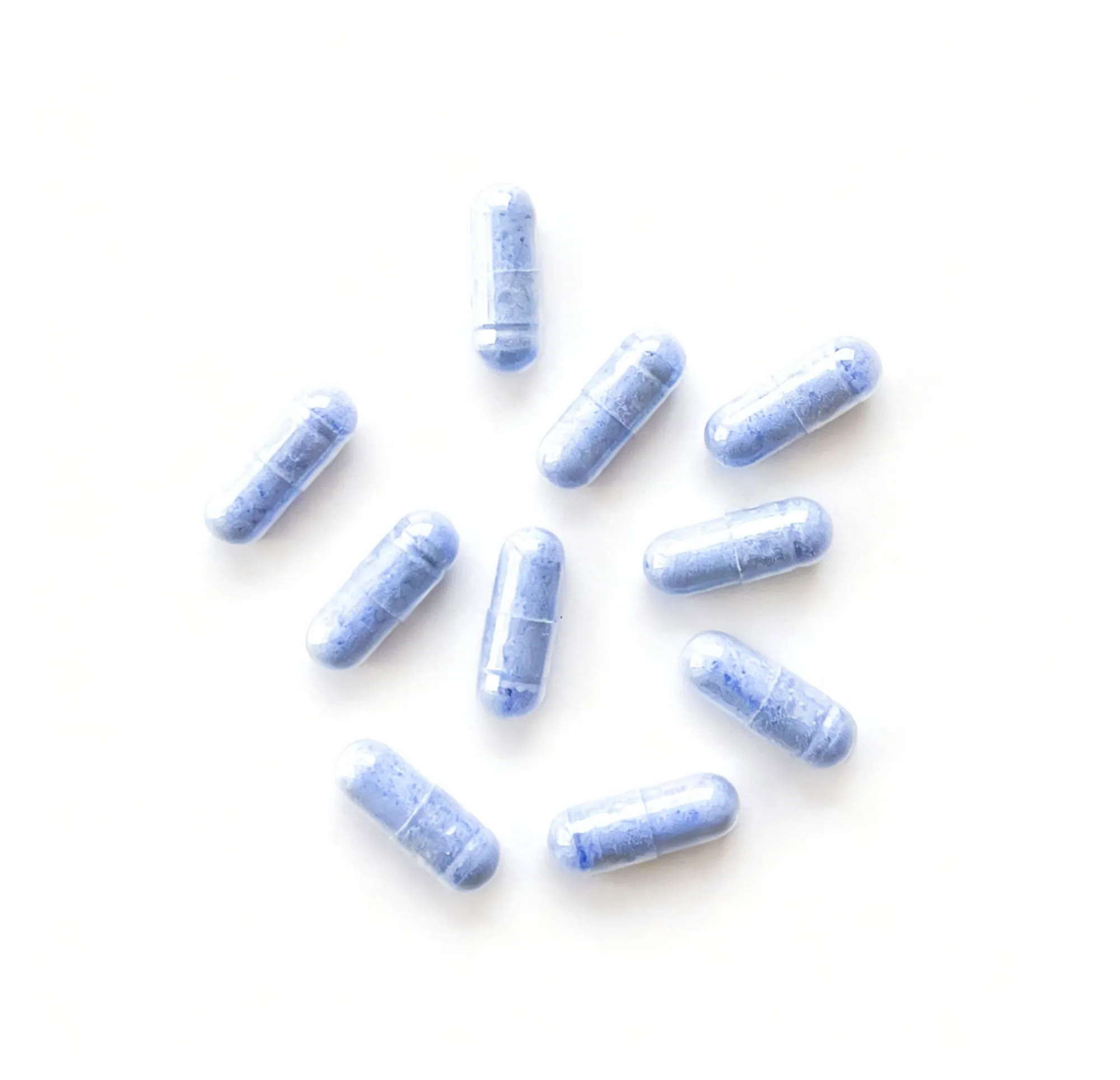
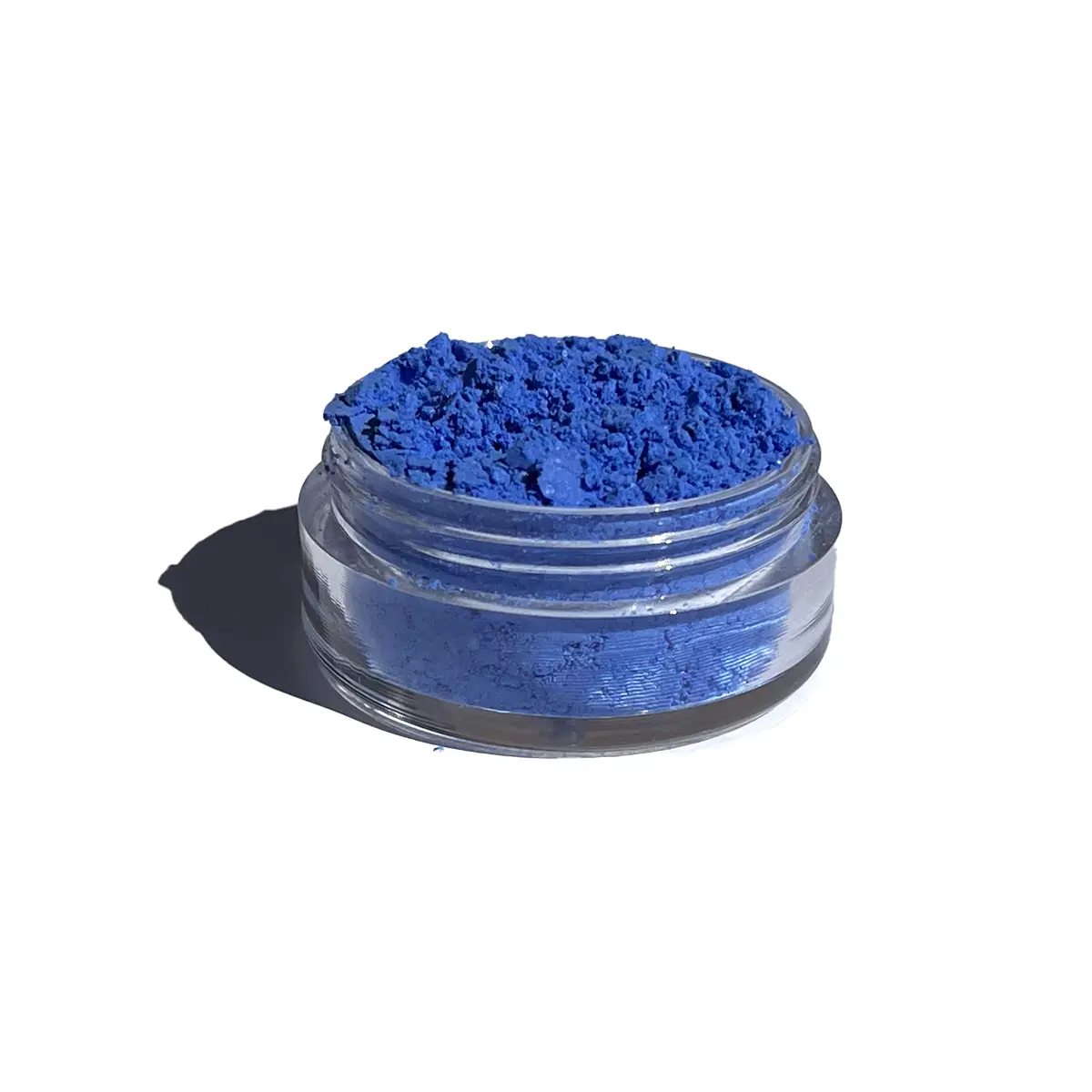
If you want an easy daily format, the 10mg copper bisglycinate capsules give a fixed amount per capsule. The 3g copper bisglycinate powder is about 26% copper, holds roughly 780 mg of copper per jar, and comes with a two-sided scoop for small, adjustable amounts.
Common questions
What does copper do for the body?
Copper runs enzymes that make ATP energy, neutralize reactive oxygen species, produce pigment, build collagen and elastin, and move iron through ceruloplasmin. Most of the body's roughly 110 mg of copper sits in bones, muscles, skin, bone marrow, liver, and brain.
What are the main benefits of copper?
Copper supports energy production, antioxidant defense, iron metabolism, connective tissue, pigmentation, immune function, and wound healing. The book ties most of these benefits to specific copper-dependent enzymes.
Does copper work with magnesium?
Yes. ATP synthase needs both copper and magnesium, and finished ATP must bind magnesium to become Mg-ATP, the form cells use.
How does copper affect iron?
Copper enzymes such as ceruloplasmin convert iron to its ferric form so it can load onto transferrin and leave cells through ferroportin. Without enough copper, iron tends to stay stuck in tissues.
What blocks copper absorption?
High zinc, cadmium, phytates, and simple sugars like fructose and sucrose reduce copper uptake. Animal protein, citrate, and phosphate help it.
What is the best form of copper supplement?
We use Albion copper bisglycinate, a chelated form with one copper ion bound to two glycine molecules. The book considers it the most bioavailable form and gentler on the stomach than copper oxide.
Pure Minerals copper bisglycinate
Albion copper bisglycinate in capsules and powder, with free US shipping and a 30-day money-back guarantee.