Is Copper Toxic? Why the Fear Is Overblown
Copper can be toxic in the wrong form and at extreme amounts, mainly as copper salts like copper sulfate. For people without a genetic copper-handling disorder such as Wilson's disease, the body regulates copper tightly through the liver, bile, and metallothionein, and chronic dietary copper toxicity is not considered a significant public health concern.
Copper has a reputation problem. Ask around and plenty of people will tell you copper is something to avoid, or at least to fear. Humans have used copper for health, disinfection, and wound care for at least 10,000 years. In Minerals Revolution, Ethan Fialkow argues that the fear of copper has been greatly exaggerated, and he lays out why. We agree, and this page walks through the reasoning.
Is copper toxic? The short version
Any essential mineral can cause harm in the wrong form at a high enough amount. Copper is no exception. Copper is also absolutely required: it runs energy production, antioxidant defense, collagen formation, pigmentation, and iron transport through enzymes like cytochrome c oxidase, superoxide dismutase, lysyl oxidase, tyrosinase, and ceruloplasmin. Our page on what copper does for the body covers those roles.
The book's view is that copper toxicity rarely happens by accident. Chronic dietary copper toxicity is not typically treated as a significant public health concern, and the most common real risk comes from a genetic defect in copper handling.
Copper toxicity depends on the form
Form changes everything with copper. The book separates three categories.
| Form | What the book says |
|---|---|
| Metallic copper | Not poisonous if swallowed. Copper coins are not known to have caused poisoning. Poorly absorbed. |
| Copper salts (such as copper sulfate) | Poisonous in large amounts. Copper(II) salts carry an LD50 of 100mg per kg of body weight. Copper sulfate was once used to induce vomiting. |
| Chelated copper (such as copper bisglycinate) | Copper bound to amino acids. Better absorbed and easier on the stomach. The book considers bisglycinate the most bioavailable form. |
Copper bisglycinate pairs one copper ion with two glycine molecules. Ethan notes that this 1:2 structure limits reactions with dietary inhibitors and keeps the copper from joining oxidation reactions. That is a very different compound from a copper salt dissolving in the stomach. For more on the chemistry, see chelated copper and copper glycinate vs bisglycinate.
Where acute copper poisoning comes from
Acute fatal copper poisoning is very rare. The documented cases the book describes involve copper sulfate, swallowed deliberately in doses of tens of grams, or swallowed by children drawn to its bright blue color. Symptoms of acute salt poisoning can progress from nausea and vomiting to severe organ damage.
One built-in safeguard limits how often this happens. Copper salts trigger nausea and vomiting almost immediately, so much of a large dose tends to come right back up. The book notes the total number of cases has stayed small.
Chronic exposure cases have appeared in workers who handle copper or its salts, and in people who store food or water in copper vessels for long periods. The book adds that studies have not pinned down how much exposure, over how long, it takes to reach toxicity.
How the body regulates copper
Copper does not float loose in the body in measurable amounts. Nearly all of it is bound to proteins and enzymes. The book walks through the control system:
- Absorption adjusts to need. When copper is in excess, more of it passes out in the stool. When copper is low, the gut ramps up uptake.
- The liver sets the level. Absorbed copper goes to the liver, which loads most of it (70% to 95%) onto ceruloplasmin and controls how much reaches the rest of the body.
- Bile is the exit. Bile is the main pathway for copper excretion and the key control over liver copper levels.
- Metallothionein buffers it. This storage protein holds copper inside cells and delivers it to copper enzymes as needed.
The book's summary is that homeostatic regulation lets the body handle a wide range of copper intakes. The Linus Pauling Institute describes the same regulatory system.
Topical copper tells a similar story. Ethan cites clinical work showing ointments containing up to 20% metallic copper caused no adverse reactions, and more than 10 clinical trials of copper oxide products with no recorded adverse reactions. A review on copper and skin covers this research.
The monkey study on high copper intake
Long-term copper loading has been studied in animals. The book highlights a study in capuchin monkeys (Cebus capucinus) fed a high copper diet as copper gluconate, starting at 5mg per kg of body weight per day and rising to 7.5mg per kg per day over two months. The monkeys showed no signs of toxicity. Their ceruloplasmin rose, which fits the body putting the extra copper to work. Ethan reads these studies as evidence of broad copper tolerance in mammals, backed by adaptive and homeostatic responses.
Wilson's disease: the real genetic concern
Ethan names Wilson's disease as the main copper concern for the general public. It is a recessive genetic disorder caused by a mutation in the ATP7B gene, one of the body's copper pumps, with an estimated global frequency around 1 in 30,000. It leads to copper building up, mainly in the liver and also in tissues like the brain. A related copper pump gene, ATP7A, is tied to Menkes disease. The book states plainly that before taking supplemental copper, you should make sure you do not carry the Wilson's mutation.
The author also raises an open question. People with Wilson's disease tend to show low copper in the blood, low copper in most of the body, and low ceruloplasmin, while copper collects in the liver. Ethan discusses a hypothesis that the form of copper, or another toxin interfering with copper, may play a larger part than copper alone. He is clear that no research has tested this. We present it as his line of inquiry, and nothing on this site suggests copper supplements address Wilson's disease.
The 10mg upper limit and starting low
The book notes the current RDA for copper is 0.9mg per day, and that intakes up to 10mg per day are generally considered safe for adults. Ethan regards that 10mg upper limit as conservative, and his position is that reaching short-term toxicity takes a much larger multiple. In his view, the RDA itself is a survival floor.
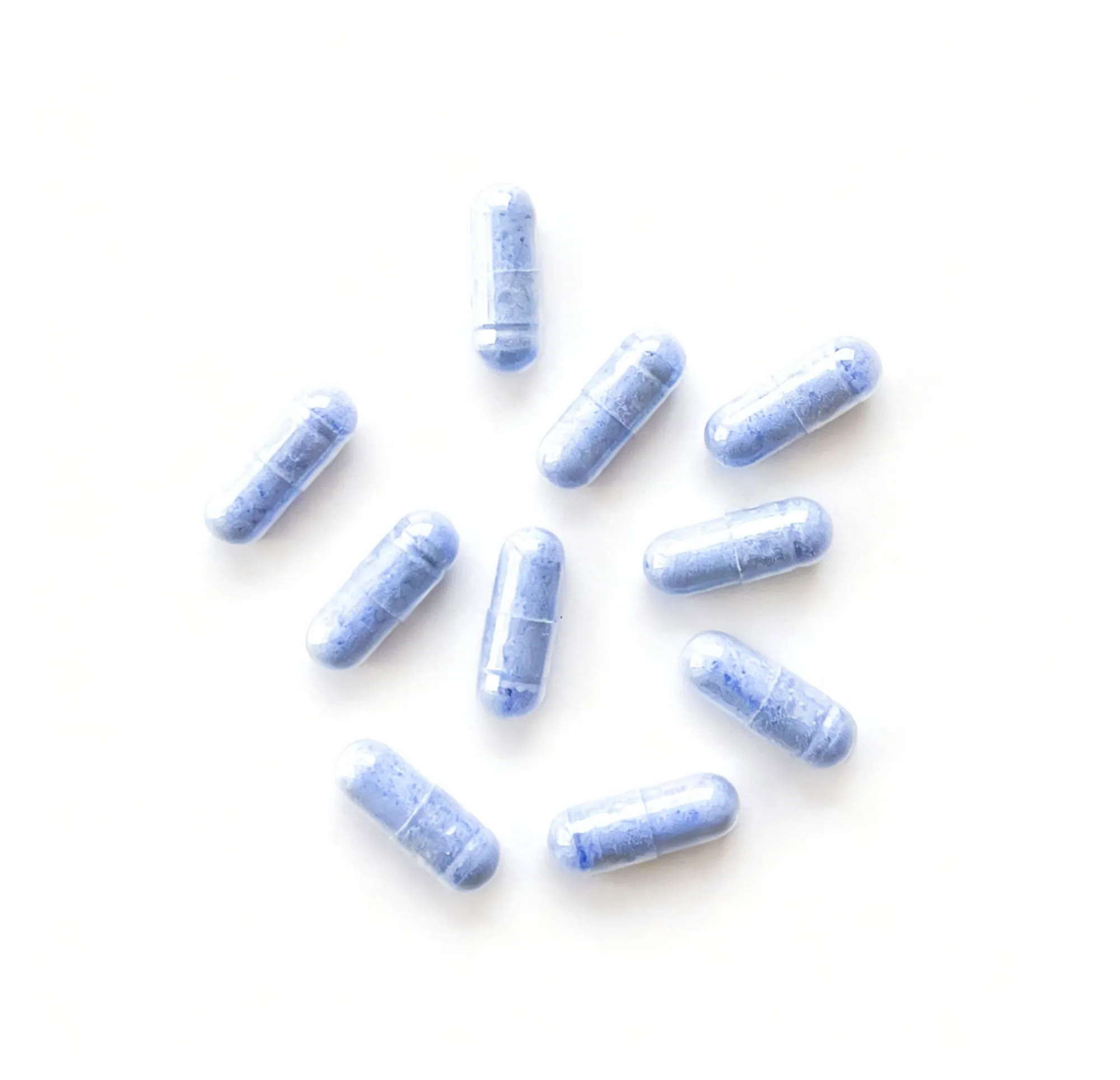
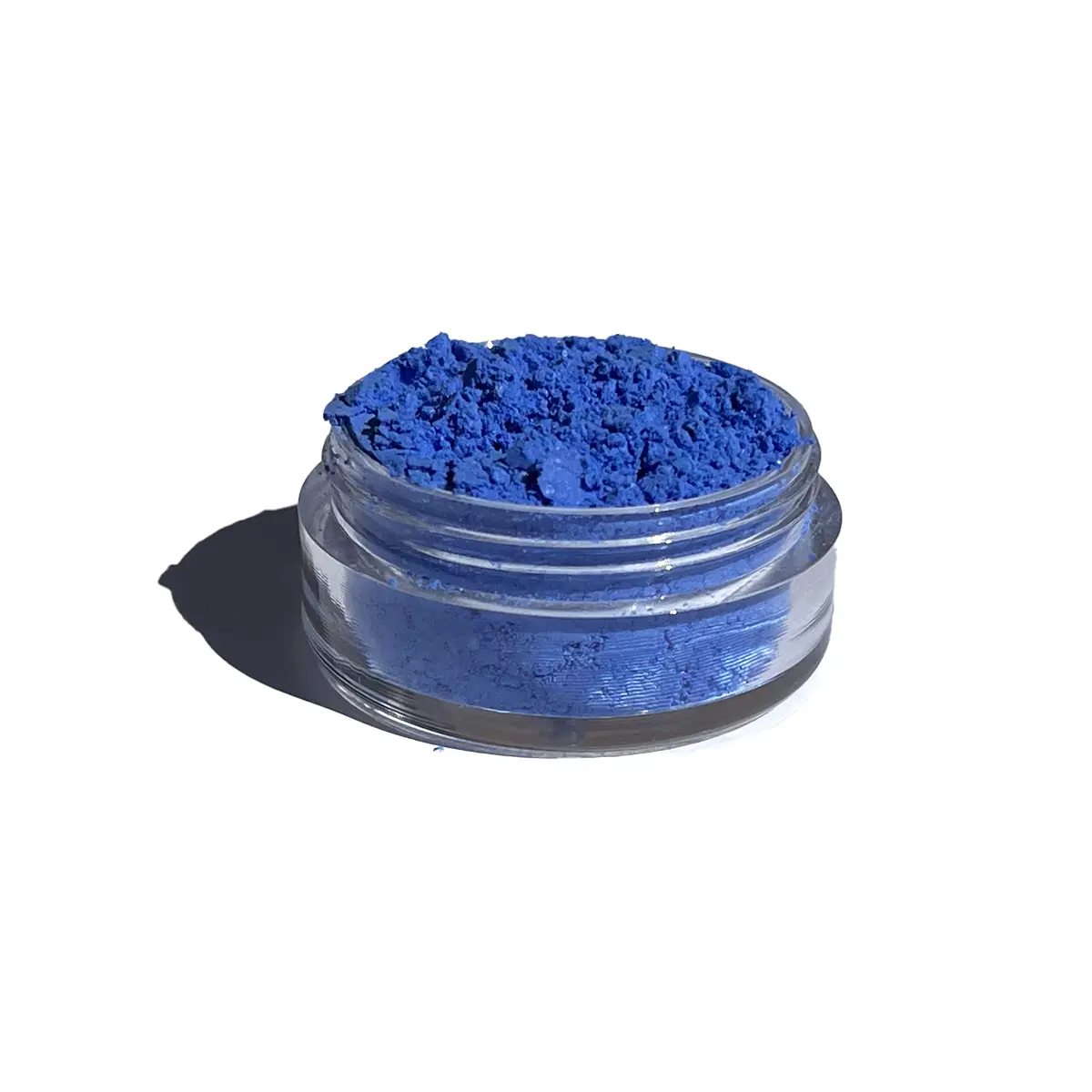
His protocol still starts low and increases slowly. Everyone's copper needs differ, and the book says to listen to your body and slow down if something feels off. The dosing sequence lives in the book, and Ethan's Copper 101 overview gives more background. When you are ready to begin, our 10mg copper bisglycinate capsules fit the early stages, and the 3g copper bisglycinate powder lets you measure smaller amounts with the scoop (the small side holds about 2.6 to 3.9mg of copper). Our powder guide shows how.
Common questions
Is copper toxic to humans?
Copper is essential, and it becomes toxic mainly as copper salts taken in very large amounts or in people with a genetic copper-handling disorder. The body regulates normal copper intake through the liver, bile, and metallothionein.
How much copper is too much per day?
Intakes up to 10mg per day are commonly cited as safe for adults. Ethan Fialkow considers that limit conservative, and his protocol still starts low and increases slowly.
What are the signs of copper poisoning?
Acute poisoning from copper salts starts with nausea, vomiting, abdominal pain, and diarrhea and can progress to serious organ damage. The fast nausea response tends to limit how much is kept down.
Is copper bisglycinate safer than copper sulfate?
The book treats them very differently. Copper sulfate is a salt with known acute toxicity, while copper bisglycinate is bound to two glycine molecules, absorbs well, and is easier on the stomach.
Who should not take copper supplements?
The book says to rule out the ATP7B mutation behind Wilson's disease before taking supplemental copper, since that disorder impairs how the body handles copper.
Can your body get rid of extra copper?
Yes. The liver sends excess copper into bile for excretion, and the gut passes more copper out in the stool when intake is high.
Pure Minerals copper bisglycinate
Albion copper bisglycinate in capsules and powder, with free US shipping and a 30-day money-back guarantee.