Copper and Collagen: The Copper Enzyme That Holds Tissue Together
Copper is required for lysyl oxidase, the enzyme that cross-links collagen and elastin fibers into strong, elastic tissue. Minerals Revolution ties low lysyl oxidase activity to defects in connective tissue and blood vessels, while vitamin C supports the earlier steps of collagen synthesis.
How copper and collagen are connected
Collagen is the main structural protein in skin, tendons, cartilage, bone and blood vessel walls. Elastin is its stretchy partner. The body can make long strands of both, but those strands need to be tied together to become strong tissue, and that tying step depends on copper.
In Minerals Revolution, Ethan lists lysyl oxidase, the copper enzyme responsible for collagen and elastin formation, among the most important copper-dependent enzymes. Our what copper does for the body page covers the rest of that list.
Lysyl oxidase cross-links collagen and elastin
Lysyl oxidase works outside the cell, after collagen and elastin fibers are released. It modifies specific lysine residues on those fibers so they can bond to each other. These cross-links turn loose protein chains into a mesh with tensile strength and elasticity.
Copper sits in the active site of lysyl oxidase. With too little copper available, the enzyme loses activity, and new collagen and elastin fibers are laid down with fewer cross-links.
Connective tissue and blood vessel integrity
The book is direct on this point: defects of collagen and elastin that cause abnormalities in connective tissue and the vascular system can be explained by lysyl oxidase deficiency. Blood vessel walls rely heavily on elastin to stretch and recoil with every heartbeat, so vessels are one of the places where cross-linking matters most.
Ethan also notes that copper is involved in the development and upkeep of cardiovascular and skeletal integrity, and in all four stages of normal wound healing. The body concentrates about 15 percent of its copper in the skin and about half in bones and muscles, which fits copper's structural role. As with other copper enzymes, the book points out that marginal copper status can lower enzyme activity without obvious warning signs (see copper deficiency symptoms).
Vitamin C's role in collagen synthesis
Copper handles the cross-linking. Vitamin C handles an earlier step. The book describes vitamin C as an essential cofactor in collagen biosynthesis, and says the body needs whole food vitamin C complex to form collagen in bones, cartilage and muscle and to keep blood vessels strong and flexible.
Ethan's preference is whole food vitamin C over isolated ascorbic acid for daily use, partly because small amounts of ascorbic acid can interfere with copper levels. Our page on whole food vitamin C vs ascorbic acid explains his reasoning.
Silica and collagen
The book gives silica a supporting role in connective tissue. Silicon is present in significant amounts in bone and connective tissue, and the body holds more of it than iron or copper. According to the book, silica enhances the action of copper and zinc, supports collagen levels and skin tone, and supports the flexibility of tendons, joints, skin and blood vessels. Body silicon levels decline with age. The book covers silica sources and amounts; we leave those details to Minerals Revolution.
Topical copper and skin
Copper's link to skin goes beyond what you swallow. The book describes topical copper as safe for people and explains why: human skin cells can metabolize and use copper, while microbes cannot control their exposure to it. Ointments with up to 20 percent metallic copper caused no adverse reactions in the studies it cites, and copper oxide products tested in more than ten clinical trials produced no adverse reactions on intact or broken skin.
The review Using Copper to Improve the Well-Being of the Skin discusses how copper supports the skin's collagen and elastin and why copper-infused materials are being studied for skin appearance. Topical and oral copper serve the same enzymes from different directions.
Supporting copper status for connective tissue
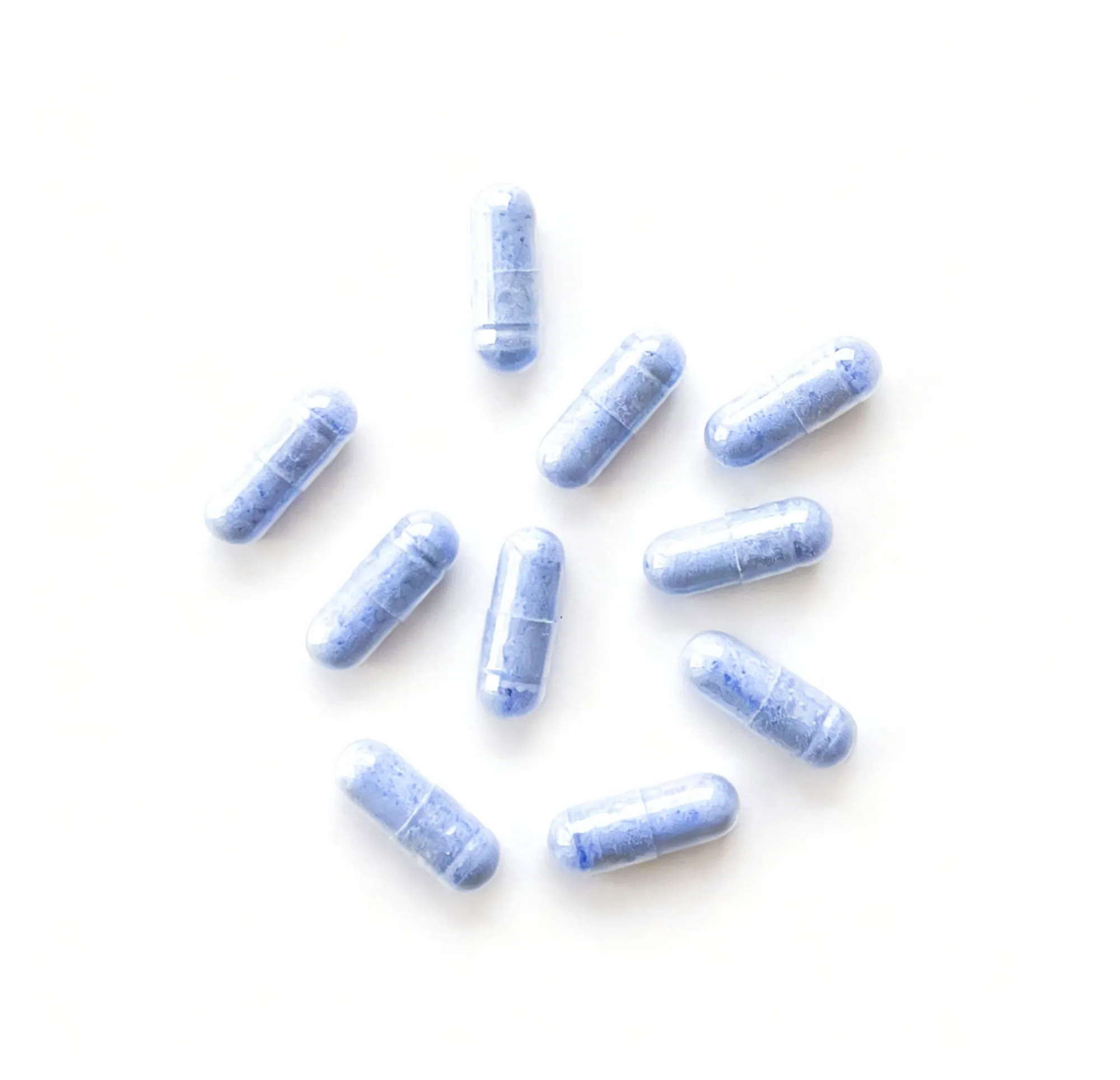
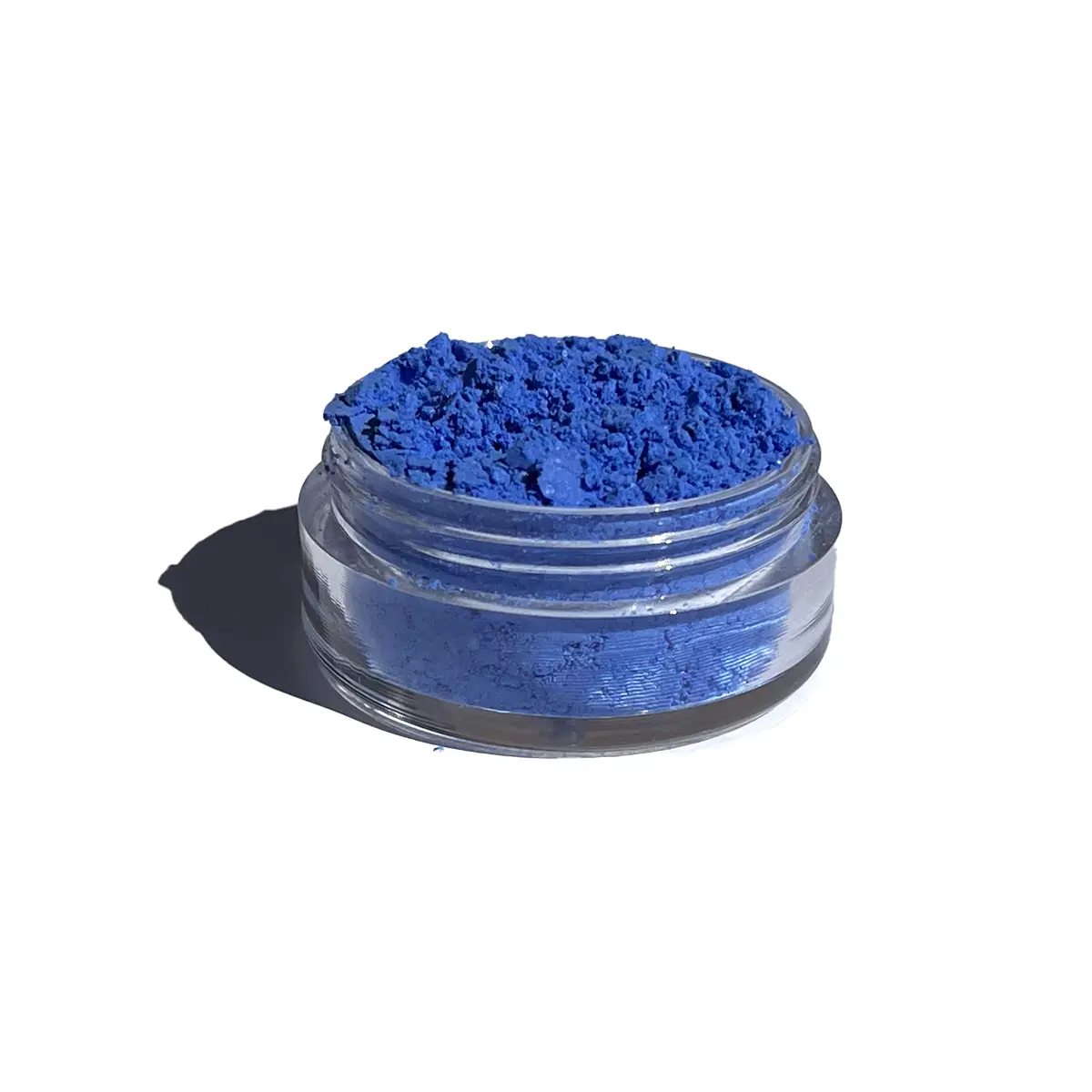
We sell Albion copper bisglycinate, a chelated form the book describes as the most bioavailable copper. The 10mg copper bisglycinate capsules give a steady fixed amount, and the 3g copper bisglycinate powder lets you measure smaller steps. The book's protocol starts low and builds slowly, and 10mg a day is the commonly cited upper limit for adults, a limit Ethan considers conservative. For pacing and cofactors, read Minerals Revolution. If you take zinc for skin, see zinc and copper for timing, and the Linus Pauling Institute for background on lysyl oxidase.
Common questions
Does copper help with collagen?
Yes. Copper is required for lysyl oxidase, the enzyme that cross-links collagen and elastin fibers so they form strong tissue.
What is lysyl oxidase?
Lysyl oxidase is a copper-dependent enzyme that bonds collagen and elastin fibers together. Without enough copper, its activity drops.
Do you need vitamin C and copper for collagen?
Both play a part. Vitamin C is a cofactor in collagen synthesis, and copper drives the cross-linking step that follows.
Is topical copper good for skin?
Minerals Revolution describes topical copper as safe because human skin cells can metabolize and use it. Research reviewed in PMC4556990 discusses copper's support for skin collagen and elastin.
How does copper affect elastin?
Lysyl oxidase uses copper to cross-link elastin, which gives skin and blood vessel walls their ability to stretch and recoil.
Pure Minerals copper bisglycinate
Albion copper bisglycinate in capsules and powder, with free US shipping and a 30-day money-back guarantee.