Whole Food Vitamin C vs Ascorbic Acid: How Minerals Revolution Uses Each
Whole food vitamin C is the complete vitamin C complex found in foods like camu camu, which the book Minerals Revolution says includes the copper enzyme tyrosinase. Ascorbic acid is one isolated part. The book uses whole-food C daily in adrenal cocktails and reserves ascorbic acid for detox headaches at higher copper intake.
Whole food vitamin C and ascorbic acid are different things
Most bottles labeled "vitamin C" contain ascorbic acid. In Minerals Revolution, Ethan Fialkow draws a hard line between that isolated compound and the vitamin C found in food. Whole-food vitamin C, as it occurs in nature, is a complete complex. Ascorbic acid is one part of that complex, pulled out and sold on its own.
The book goes further. Its position is that the whole-food complex carries tyrosinase, one of the body's most important copper-based enzymes, and that ascorbic acid lacks tyrosinase along with other parts of the complex. That view shapes how the protocol uses each form.
Why vitamin C matters for copper and collagen
Nobody in this debate disputes that we need vitamin C. The book lists its roles: it is a cofactor for many enzyme reactions, including the building of collagen, carnitine, and neuropeptides, and it is involved in regulating gene expression. It is also a strong antioxidant. The book adds that the body relies on the whole-food complex to form collagen in bone, cartilage, and muscle, and to keep blood vessels strong and flexible.
Tyrosinase is a copper enzyme tied to pigmentation. The book's copper chapter connects loss of pigment with reduced tyrosinase activity, which is part of why the copper and vitamin C conversation overlap. For more on the pigment side, see copper and grey hair. For the structural side, read copper and collagen, since lysyl oxidase, another copper enzyme, cross-links collagen and elastin.
Whole food vitamin C and the adrenal glands
The book singles out the adrenals. It describes them as having a larger need for the vitamin C complex than any other gland. That is why whole-food vitamin C sits inside the very first start of the mineral optimization protocol: the adrenal cocktail.
What goes in the book's adrenal cocktail
The book's version skips juice and coconut water. It combines cream of tartar (for potassium), a fine unrefined salt (for sodium), a whole-food vitamin C source such as camu camu, and purified water. Ready-made capsules are the other route the book suggests. The cocktail is taken away from meals and started at a partial serving, then increased slowly. For the recipe amounts and timing, go to the book.
The appeal is that a single drink covers potassium, sodium, and the vitamin C complex together. The book frames it as a simple daily habit that fits into a morning or afternoon.
Where ascorbic acid fits in the book's protocol
The book keeps a narrow, specific role for ascorbic acid.
At low intakes, the book notes, ascorbic acid can interfere with copper levels. That is one reason the daily vitamin C in the protocol comes from whole food. Once copper intake climbs higher, though, the book reports that ascorbic acid becomes useful for reasons that are not fully understood. Its main purpose there is to ease the detox headaches that can come with higher copper, something the book says whole-food vitamin C does not help with.
So the book uses both forms, each in its lane:
| Form | What it is, per the book | How the book uses it |
|---|---|---|
| Whole-food vitamin C | The complete complex, which the book says includes tyrosinase | Daily, inside the adrenal cocktail |
| Ascorbic acid | An isolated part of the complex | At higher copper intake, when detox headaches appear |
The book asks that the ascorbic acid come from non-toxic sources. The amount and the copper level where it comes into play are spelled out in Minerals Revolution.
How to pair whole food vitamin C with copper
Copper in the protocol is taken with food, ideally protein, and the book notes that citrus supports copper absorption. The adrenal cocktail, by contrast, is taken apart from meals. In practice that means the two sit at different points in the day.
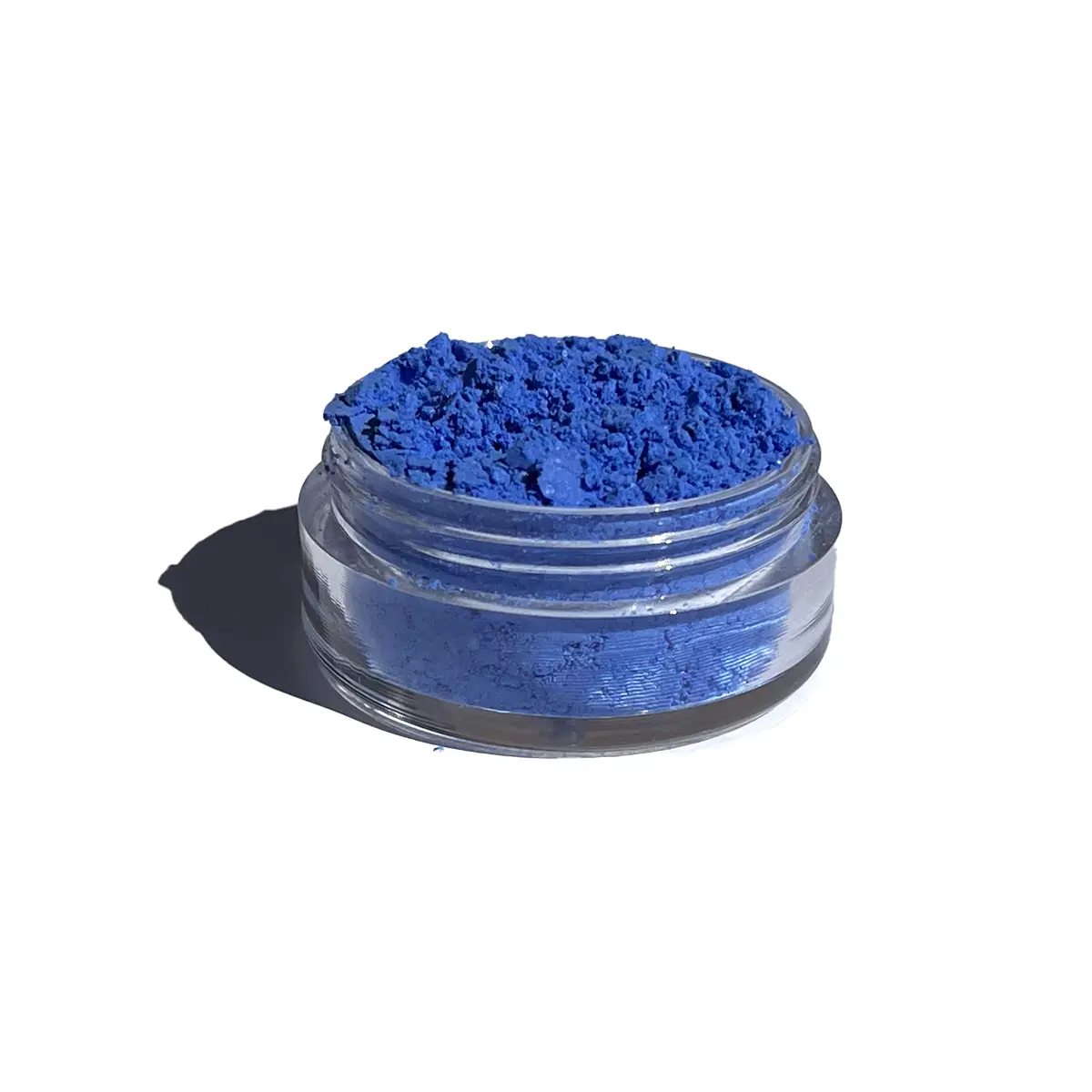
If you are starting copper, our 3g copper bisglycinate powder is built for a gradual start. The jar holds about 780mg of copper (the powder is roughly 26% copper), and the dual-sided scoop measures a small side of about 2.6 to 3.9mg of copper and a large side of about 6.5 to 7.8mg. See how to use copper bisglycinate powder for handling tips.
Ethan's recommended supplements list names the whole-food vitamin C and adrenal cocktail products he uses.
Common questions
Is ascorbic acid the same as vitamin C?
Not in the book's view. Ascorbic acid is one isolated part of the vitamin C complex, while whole-food vitamin C is the complete form found in nature.
What is a good source of whole food vitamin C?
The book's adrenal cocktail uses camu camu, a fruit-based whole-food vitamin C source. Ready-made adrenal cocktail capsules are another option the book mentions.
Does vitamin C affect copper absorption?
The book notes that low intakes of ascorbic acid can interfere with copper levels. Citrus with meals is listed as supporting copper absorption.
Why does Minerals Revolution use ascorbic acid at all?
At higher copper intake, the book uses ascorbic acid for the detox headaches that can appear. It says whole-food vitamin C does not help with those headaches.
What is in an adrenal cocktail?
The book's version uses cream of tartar, unrefined salt, whole-food vitamin C, and purified water. Amounts and timing are in the book.
Pure Minerals copper bisglycinate
Albion copper bisglycinate in capsules and powder, with free US shipping and a 30-day money-back guarantee.