Mitochondrial Dysfunction: What It Is and Why Minerals Are the Missing Input
Mitochondrial dysfunction describes mitochondria that no longer produce energy at full capacity, which lowers ATP output and raises reactive oxygen species. Because the electron transport chain depends on copper and ATP is used as Mg-ATP, Ethan Fialkow argues mineral status is a primary input to mitochondrial performance.
Mitochondrial dysfunction has moved from a niche corner of cell biology into conversations about fatigue, metabolic disease, aging, and now psychiatry. The term covers a simple situation with wide consequences: the organelles that run cellular energy stop doing their work at full capacity. Minerals Revolution argues that mineral status is the input most of those conversations leave out.
What mitochondrial dysfunction means
Mitochondria sit inside nearly every cell and produce about 90 percent of the body's energy. When they underperform, output falls and waste rises. Both halves matter. A mitochondrion that is not passing electrons cleanly makes less ATP, and it also fails to reduce oxygen completely, so the leftovers become reactive oxygen species that damage the surrounding cell.
That is the loop Ethan describes in the book. Poor mitochondrial structure or a missing cofactor produces more oxidative stress, oxidative stress damages mitochondria, and the cell slides further behind. Tissues with the highest energy demand feel it first.
What mitochondria do besides make ATP
Treating mitochondria as batteries undersells them badly. They sit at the center of several systems that have nothing obvious to do with energy.
- Calcium signaling. Mitochondria buffer and release calcium, which is how cells time contraction, secretion, and communication.
- Neurotransmitter production. Steps in the synthesis and release of neurotransmitters depend on mitochondrial function and on mitochondrial positioning inside the neuron.
- Inflammation and the stress response. Mitochondria participate in immune signaling and in how a cell responds to stress, including deciding when a damaged cell should die.
- Hormone synthesis. Steroid hormone production begins inside mitochondria, which is where cholesterol gets converted on the first step of the pathway.
- Reactive oxygen species management. Mitochondria generate ROS and also regulate them, and ROS at controlled levels act as signals rather than only as damage.
Once you see that list, a mitochondrial problem stops looking like a tiredness problem and starts looking like a systems problem.
The scale of the mitochondrial workload
The numbers make the point better than the argument does. A typical cell carries roughly 300 to 400 mitochondria. Across the body that comes to something on the order of 10 quintillion of them. Cells with heavy energy demands carry far more than average, and in some brain cells mitochondria take up a large share of the cell's volume.
The brain is the clearest case. It is about 2 percent of body mass and uses about 20 percent of resting energy. A single neuron runs through billions of ATP molecules every second. Ethan adds the machine detail from the book: ATP synthase, the final complex in the chain, spins at around 9,000 RPM and produces about three ATP per rotation, which works out to roughly 27,000 ATP per minute from each one of them. We produce something close to our own body weight in ATP each day.
An organ running that hot has no reserve. A small percentage drop in energy production is not a small thing there.
Dr. Christopher Palmer and the brain energy theory
Dr. Christopher Palmer, a psychiatrist at Harvard, set out a model in his book Brain Energy proposing that psychiatric conditions are, at their root, metabolic conditions affecting the brain. His framing is that when mitochondria do not work properly, the brain does not work properly, and that symptoms follow from an energy deficit in the circuits involved.
Palmer points to neuroimaging research that has found metabolic differences in the brains of people diagnosed with psychiatric conditions, including depression, bipolar disorder, and schizophrenia. That is his synthesis and that research, reported here as theirs. It is a model under active investigation, not settled science, and we present it that way.
We include it because the model asks a question worth asking. If brain function depends on a metabolic process, then whatever that process requires as an input becomes relevant. Nothing we sell treats or addresses any psychiatric condition, and we make no claim that it does.
The mineral input most of this leaves out
Here is where Ethan's argument adds something. Discussions of mitochondrial health tend to focus on diet composition, fasting, exercise, sleep, and light exposure. Those matter. What gets skipped is that the electron transport chain is built from metal dependent enzymes, and if the metals are not there in usable form, no amount of good input fixes the output.
Copper runs the end of the electron transport chain
Cellular respiration moves through glycolysis, the Krebs cycle, and then the electron transport chain, where most of the ATP gets made. That final chain lives in the inner mitochondrial membrane and is functionally dependent on copper. Cytochrome c oxidase, the complex that hands electrons to oxygen at the end of the line, is a copper enzyme. When it cannot work at full rate, electrons back up and oxygen gets reduced incompletely, which is where the extra ROS comes from.
Superoxide dismutase, one of the body's main tools for handling that ROS, is also a copper enzyme. Copper is therefore on both sides of the equation: production and cleanup. As the book puts it, there is no greater need for copper anywhere in the body than in the mitochondria. Our page on cellular respiration and copper goes step by step through the chain.
ATP is used as Mg-ATP
Making ATP is only half of it. The body uses ATP bound to magnesium, as Mg-ATP, and ATP synthase itself requires both magnesium and copper to complete the final reaction. A person low in either one can eat well and still be short on usable energy. See copper and magnesium.
Iron makes the damage worse
Unbound iron accumulating in tissue drives oxidation through Fenton chemistry, and clearing it depends on ceruloplasmin, which is a copper enzyme. Low copper means iron stays stuck and keeps generating damage in exactly the compartment that can least afford it. Read iron dysregulation and ceruloplasmin.
Why mineral status is hard to see on a test
Most mineral testing measures serum. Most of the body's copper and magnesium sits in tissue, bone, and organs, so serum readings can look unremarkable while tissue stores are low. Getting a true picture would mean biopsying tissue, which nobody is going to do without cause. The book's position is that this measurement gap is a large part of why chronic marginal deficiency stays invisible while acute deficiency gets all the attention.
Where to start
The book's approach is to correct the inputs and give the body time to rebuild. Copper goes up slowly, magnesium comes in early, and the cofactors get layered on as the amounts rise. The quick start shows the shape of it, and Minerals Revolution holds the amounts and the order.
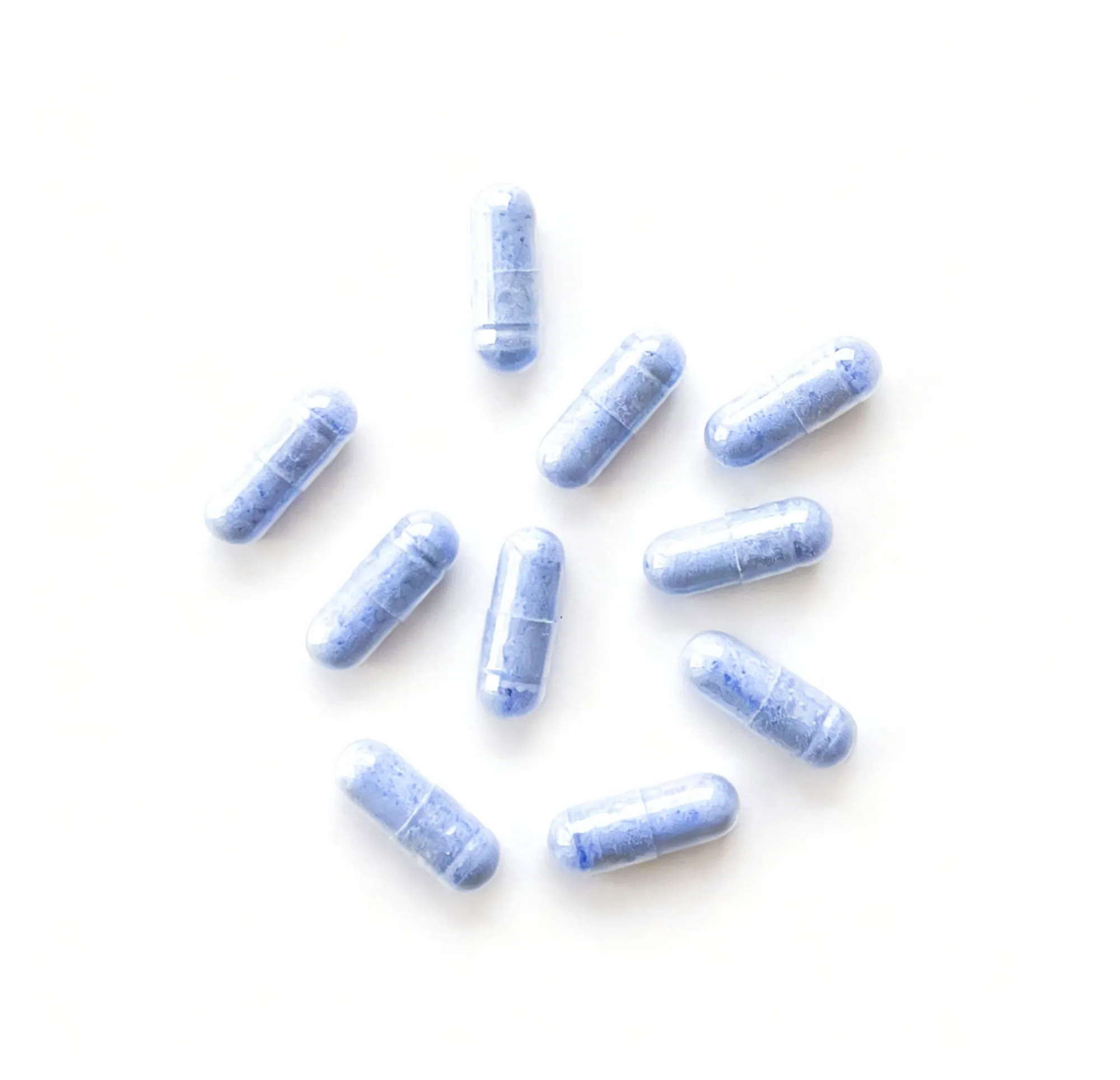
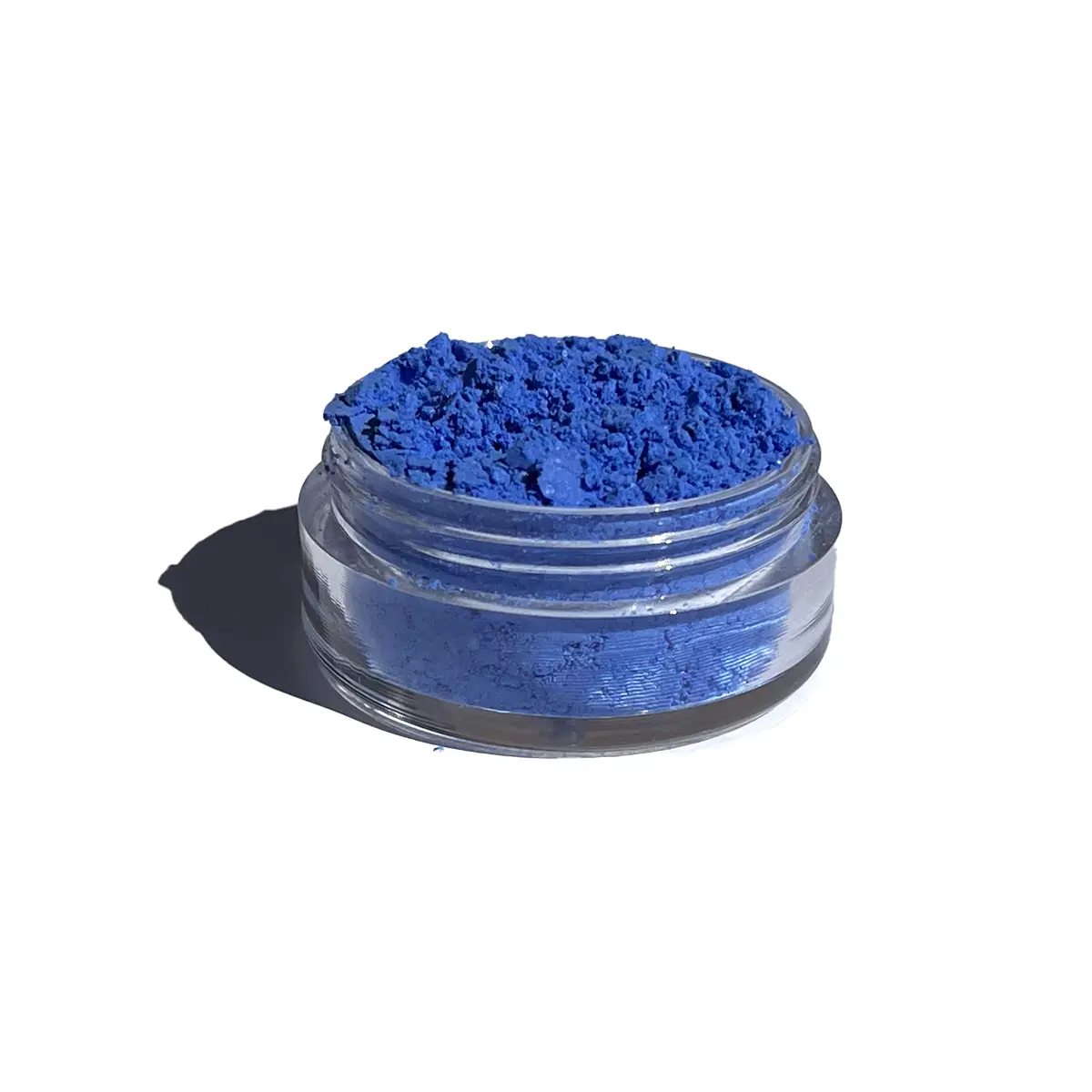
For copper we make Albion copper bisglycinate as a 10mg capsule and as a 3g powder jar holding roughly 780mg of copper, which lets you move in small increments. Bisglycinate is the form the book considers most bioavailable, and chelated copper explains why.
Further reading: Ethan's original article on mitochondrial dysfunction and mental health, and the Linus Pauling Institute page on copper.
Common questions
What is mitochondrial dysfunction?
It describes mitochondria that no longer produce energy at full capacity. ATP output falls and reactive oxygen species rise, because electrons are not passing cleanly and oxygen is not being reduced completely.
What do mitochondria do besides make ATP?
They buffer and release calcium, participate in neurotransmitter production, take part in immune signaling and the stress response, begin steroid hormone synthesis, and both generate and regulate reactive oxygen species.
How many mitochondria are in the human body?
A typical cell carries roughly 300 to 400 mitochondria, which works out to something on the order of 10 quintillion across the body. Cells with high energy demands carry far more than average.
Why does the brain use so much energy?
The brain is about 2 percent of body mass and uses about 20 percent of resting energy. A single neuron runs through billions of ATP molecules every second, so it has almost no reserve when energy production drops.
What is the brain energy theory?
It is the model Dr. Christopher Palmer set out in his book Brain Energy, proposing that psychiatric conditions are metabolic conditions affecting the brain. He points to neuroimaging research reporting metabolic differences in those conditions. It is an active area of investigation rather than settled science.
How does copper relate to mitochondria?
Copper is a structural part of mitochondria and is required by cytochrome c oxidase, the complex that hands electrons to oxygen at the end of the electron transport chain. Superoxide dismutase, which handles the resulting reactive oxygen species, is also a copper enzyme.
Pure Minerals copper bisglycinate
Albion copper bisglycinate in capsules and powder, with free US shipping and a 30-day money-back guarantee.