Copper and Weight Loss: What the PDE3 Research Shows
Copper and weight loss connect through a cell signaling pathway. UC Berkeley researchers found that copper binds the enzyme PDE3 and eases its brake on cAMP, the signal that starts lipolysis, the release of stored fat from fat cells. Low bioavailable copper leaves that signal muted.
There is a point in most weight loss efforts where the food is dialed in and the training is consistent, and the scale stops moving anyway. The standard answer is to eat less and move more. Minerals Revolution takes a different route into the problem. Releasing stored fat is an enzymatic process, and some of the enzymes that run it will not work without copper.
What the UC Berkeley copper research found
A team at UC Berkeley led by Christopher Chang published findings in Nature Chemical Biology on copper and cyclic AMP dependent lipolysis. The short version of what they reported: copper binds an enzyme called phosphodiesterase 3, usually written PDE3, and binding it interferes with what PDE3 does. PDE3 breaks down cAMP. cAMP is the messenger that tells a fat cell to start releasing stored fat.
So copper is sitting on the enzyme whose job is to cut the signal short. Ethan describes it as a brake on a brake. Copper does not push fat cells to do anything. It eases the thing that keeps them quiet, and the signal already in the cell gets to finish what it started.
How cAMP tells a fat cell to release stored fat
Here is the sequence in plain terms. A signal arrives at the fat cell, usually a catecholamine such as noradrenaline. Receptors on the cell surface respond by raising cAMP inside the cell. Raised cAMP activates protein kinase A. Protein kinase A switches on the lipases that cut stored triglyceride into fatty acids and glycerol, which leave the cell and go to tissues that can burn them. That whole chain is lipolysis.
PDE3 is the off switch. It degrades cAMP, the message fades, and the fat cell stops releasing. Every cell needs that off switch, otherwise signals would never end. The research question the Berkeley group answered was what regulates PDE3 itself, and part of the answer turned out to be copper.
Ethan's reading of this in Minerals Revolution is that copper belongs in the conversation about metabolism as a signaling mineral, not only as a nutrient you need some minimum amount of. A cell short on bioavailable copper has a harder time running a step that everything downstream depends on.
Copper's wider role in metabolism
The PDE3 finding fits a pattern the book spends a whole chapter on. Copper shows up at several points in how the body handles fuel.
- Thyroid activity. The book lists copper as essential for balancing thyroid activity. Thyroid hormone is the body's central metabolic regulator, and every cell depends on adequate levels of it to work at a normal rate.
- Glucose and cholesterol handling. The book's position is that copper stabilizes glucose and cholesterol metabolism, and that low copper status shows up as reduced glucose tolerance, higher serum cholesterol, higher LDL and triglycerides, and lower HDL.
- Mitochondrial energy. Copper is a structural part of the mitochondria and is required by cytochrome c oxidase, the enzyme at the end of the electron transport chain. The fatty acids a cell releases still have to be oxidized somewhere, and that somewhere runs on copper.
- Oxidative cleanup. Burning more fuel makes more reactive oxygen species. Superoxide dismutase, one of the body's primary answers to that exhaust, is a copper enzyme.
Our page on what copper does for the body walks through those enzymes one by one, and mitochondrial dysfunction covers the energy side in more depth.
Why copper status is so often low
If copper matters this much, the obvious question is how so many people end up short of it. The book's answer has several parts. Soil mineral content has fallen over a century of industrial farming. Iron was pushed into the food supply through fortification, and iron and copper are antagonists, so a rising iron burden works against copper. Add refined sugar, high phytate intake, and supplemental zinc taken on its own, all of which suppress copper absorption.
Testing compounds the problem. Most copper testing looks at blood serum, and most of the body's copper sits in tissue, bone, and organs. A serum number can look ordinary while tissue status is poor. See copper and iron, ceruloplasmin, and how the mineral crisis happened for that full argument.
What this research does not say
We want to be plain here, because this topic attracts a lot of nonsense. The PDE3 work describes a mechanism. It does not say that taking copper makes a person lose weight, and we do not sell copper as a weight loss product. Copper bisglycinate is a mineral supplement. What the research supports is narrower and more interesting: a cell that is short on bioavailable copper is working against a signaling step that other cells run without effort.
Ethan's position in the book is that mineral status is an input to metabolism rather than a lever you pull for a specific outcome. Fix the input and the body does what it does. That is a different frame from the one most weight loss advice uses, and it is the one we write from.
How the protocol handles copper
The book's Mineral Optimization Protocol starts copper low and increases it slowly over months, with cofactors added as the amount rises. It is a slow rebuild of tissue status, not a quick input. Read the quick start for the shape of it, and Minerals Revolution for the amounts and the sequence, which we do not publish here.
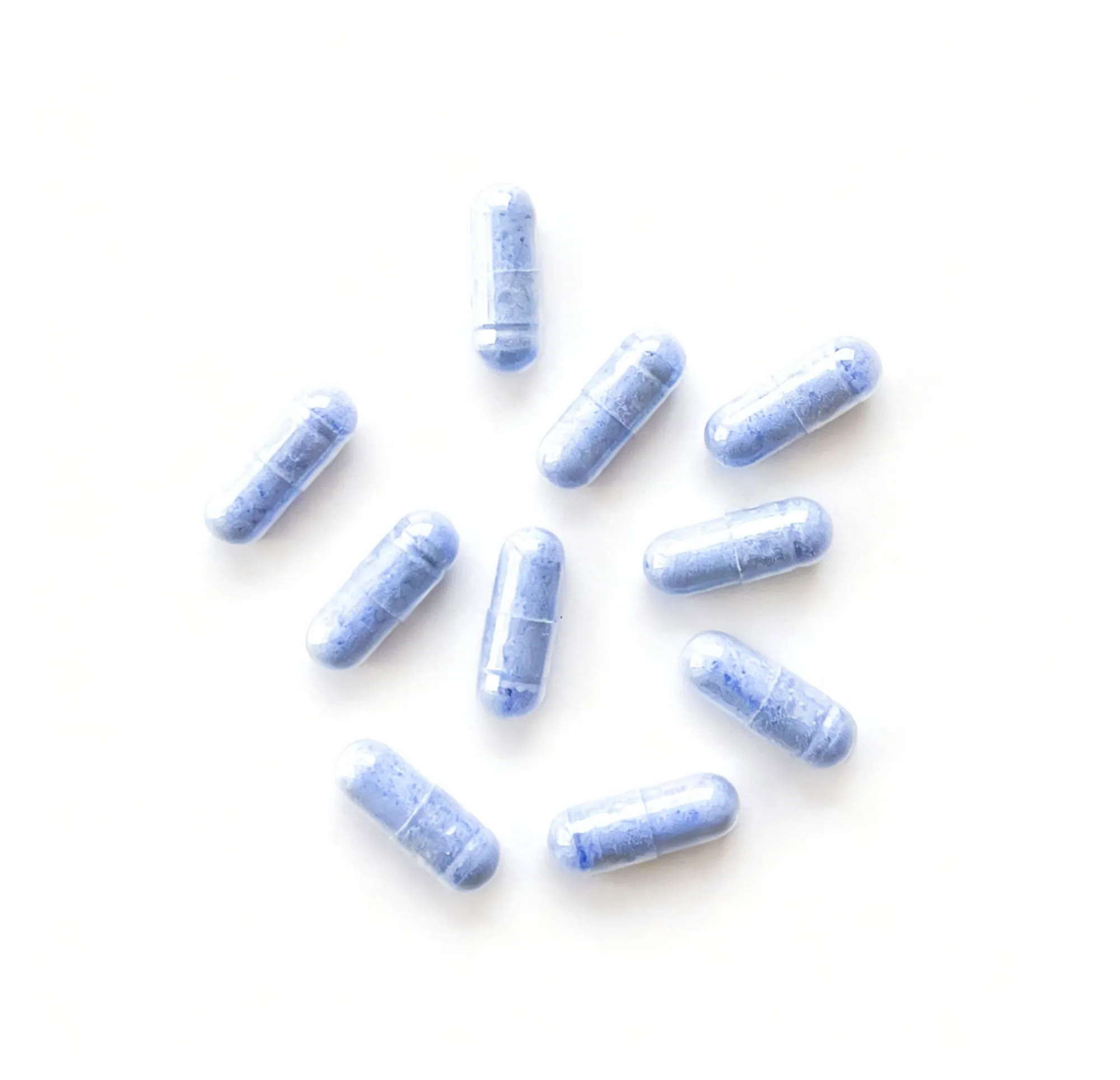
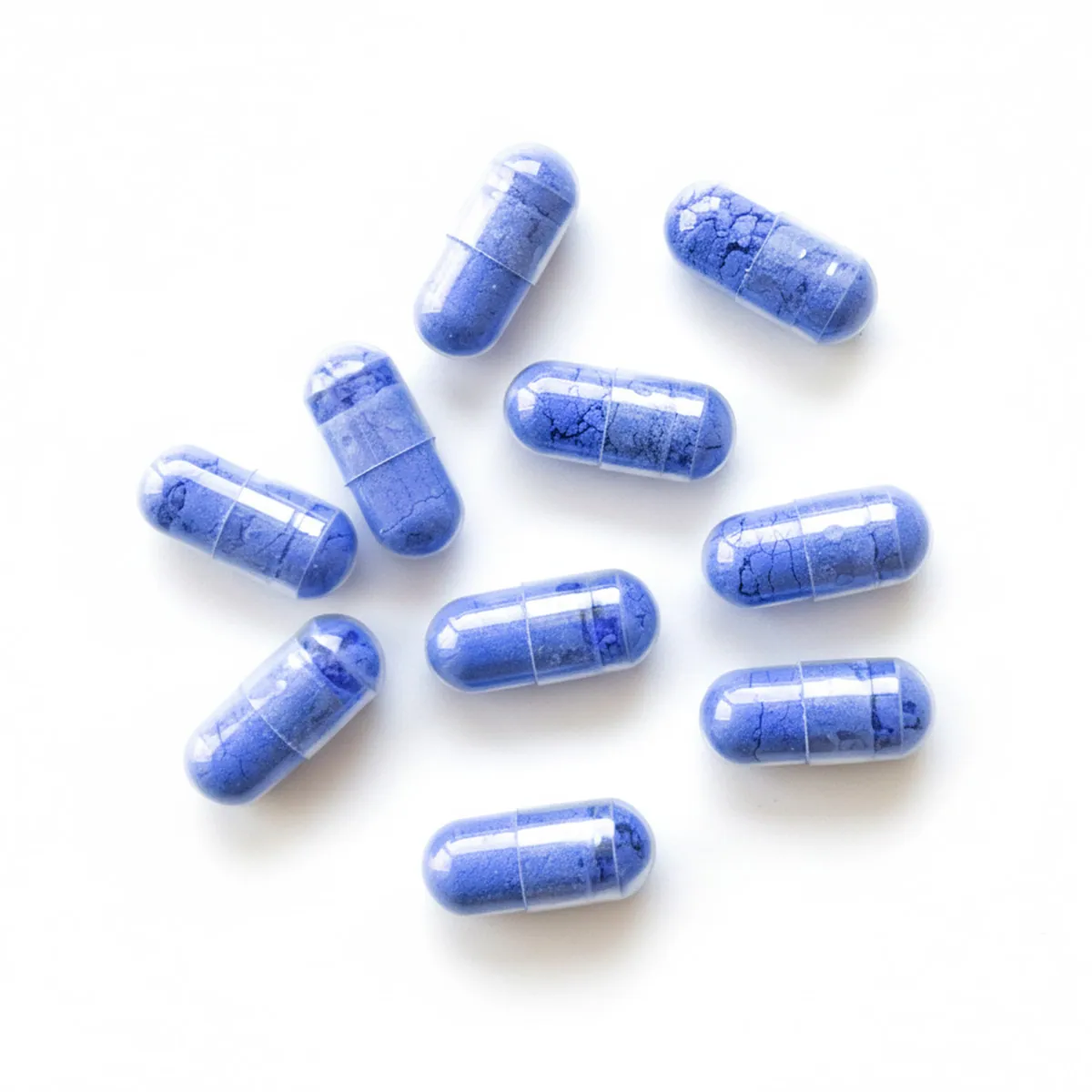
We make Albion copper bisglycinate in two capsule sizes. The 10mg capsule is where most people start, and the 20mg capsule is for people already further along. Bisglycinate pairs one copper ion with two glycine molecules, and that 1:2 structure is why it absorbs well and is easier on the stomach than copper salts.
Further reading: Ethan's original article, Is a Copper Deficiency Stalling Your Weight Loss?, and the Linus Pauling Institute page on copper for the conventional overview.
Common questions
Does copper help with weight loss?
Copper is not a weight loss product and we do not sell it as one. Research from UC Berkeley found that copper binds the enzyme PDE3 and eases its brake on cAMP signaling, which is the signal that starts the release of stored fat from fat cells.
What is the copper and PDE3 connection?
PDE3 is the enzyme that breaks down cAMP and ends the fat release signal inside a fat cell. A UC Berkeley team led by Christopher Chang reported in Nature Chemical Biology that copper binds PDE3 and interferes with that shutoff.
What does cAMP do in a fat cell?
cAMP is the second messenger that activates protein kinase A, which switches on the lipases that cut stored triglyceride into fatty acids and glycerol. That process is called lipolysis.
Can low copper stall a weight loss plateau?
Ethan Fialkow's position in Minerals Revolution is that mineral status is an input to metabolism, and a cell short on bioavailable copper is working against a signaling step other cells run without effort. That is a mechanism argument, not a promise about the scale.
Does copper affect thyroid and metabolism?
The book lists copper as essential for balancing thyroid activity, and thyroid hormone sets the metabolic rate for every cell. Copper is also required by cytochrome c oxidase in the electron transport chain.
Which copper supplement does the protocol use?
Copper bisglycinate, which pairs one copper ion with two glycine molecules and absorbs better than copper salts. The protocol starts low and increases slowly, and the amounts are in Minerals Revolution.
Pure Minerals copper bisglycinate
Albion copper bisglycinate in capsules and powder, with free US shipping and a 30-day money-back guarantee.