Cellular Respiration and Copper: How the Body Makes Energy
Cellular respiration makes ATP in three phases: glycolysis, the Krebs cycle, and the electron transport chain. Cytochrome c oxidase, complex IV, is the copper-dependent enzyme at the end of that chain. It passes electrons to oxygen and forms water, and copper has to sit inside it for the chain to move.
How cellular respiration turns glucose into ATP
Cells run on adenosine triphosphate, ATP. Cellular respiration is how they make it. Glucose goes in, oxygen goes in, carbon dioxide and water come out, and the cell keeps the energy that was holding the glucose together. The top-level equation used in Minerals Revolution is one glucose molecule plus six oxygen, yielding six carbon dioxide, six water, and about 28 to 36 ATP.
Ethan attaches a caveat to that range worth holding onto. The math is theoretical. Living systems are not 100 percent efficient, and the real yield moves with oxidative stress, with copper and ceruloplasmin status, and with magnesium status. The rest of this page is about why those three things sit on the same equation.
Glycolysis
The first phase happens in the fluid of the cell, outside the mitochondria, and it happens without oxygen. One glucose molecule gets split into two molecules of pyruvate, leaving behind two ATP and two NADH. Magnesium is required at key steps of this phase.
The Krebs cycle
Pyruvate moves into the mitochondrial matrix and gets oxidized. Through a series of steps the cycle turns out six carbon dioxide molecules, four NADH, two FADH2, and two more ATP. Magnesium is required here as well. Notice how little ATP has been banked at this point: four molecules, out of a possible thirty-odd.
The electron transport chain
Almost all of the yield comes from the last phase, which runs through enzymes seated in the inner membrane of the mitochondria. The book describes that membrane as functionally dependent on copper. Electrons carried in by NADH and FADH2 are handed from one respiratory complex to the next through five stages, and the energy released along the way drives the production of up to 36 additional ATP.
At the end of the line sits ATP synthase, which catalyzes the final assembly of the molecule. The book describes it as a nano-rotor spinning at roughly 9,000 RPM and producing about three ATP per full rotation, which works out to something like 27,000 ATP from each ATP synthase every minute. That final complex requires both magnesium and copper to be present.
What cytochrome c oxidase does at the end of the chain
Complex IV of the electron transport chain is cytochrome c oxidase, and it is a copper enzyme. It accepts electrons from cytochrome c and passes them to oxygen, joining them with protons to make water. That is the terminal handoff of the whole process. Every electron that started in a glucose molecule ends up in a water molecule, and cytochrome c oxidase is the door it goes through.
The copper is not decoration. Two copper centers, named CuA and CuB, sit inside the enzyme and do the electron handling, with CuB working alongside heme iron at the site where oxygen is reduced. When copper is short, those positions cannot be filled properly, the handoff slows, and oxygen stops being used cleanly and completely. The book's list of copper-dependent enzymes leads with cytochrome c oxidase for exactly this reason, and it quotes the line that there is no greater need for copper in the body than in the mitochondria. Our page on what copper does for the body runs through the rest of that enzyme list, and mitochondrial dysfunction covers what happens downstream when the chain runs poorly.
This same enzyme is the reason red light has anything to act on inside a cell. We cover that in red light therapy and copper.
Where magnesium fits into energy production
Magnesium is a cofactor of thousands of enzymes, and the book puts it on three parts of this process: key steps of anaerobic glycolysis, steps of the Krebs cycle, and the stabilization of ATP itself. That last one gets missed. Cells do not spend bare ATP. They spend it bound to magnesium, as Mg-ATP. So a cell short on magnesium can have trouble making ATP and trouble using what it made.
The book quotes Lawrence M. Resnick, MD, formerly of Weill Cornell Medical School, on the point: without enough magnesium, cells simply do not work. Copper and magnesium tend to run low together, and the book restores them together. See copper and magnesium for how that pairing is handled.
How much ATP the body makes in a day
There is no direct way to measure ATP production inside a living body. The figures below are estimates built from inputs, outputs, and the parts of the process we can observe, and the book presents them as scale rather than precision.
| Figure | Estimate |
|---|---|
| ATP per glucose molecule | About 28 to 36 |
| ATP produced per ATP synthase, per minute | About 27,000 |
| ATP produced per day | Roughly your own body weight |
| ATP spent per heartbeat | About one billion |
| Share of energy production happening in mitochondria | About 90 percent |
| Increase in ATP yield that oxygen makes possible | As much as 70x |
Read the last row next to the one above it. Oxygen is what raises the yield from a small anaerobic trickle to the full number, and nearly all of that happens inside the mitochondria. Oxygen only gets used at one place in the chain, cytochrome c oxidase, and that place is copper-dependent. A body producing its own weight in ATP every day is running that copper enzyme constantly, in every tissue, with no days off.
Reactive oxygen species are the exhaust of energy production
Making that much energy makes waste. The book calls reactive oxygen species the exhaust of cellular respiration, and the same 90 percent figure applies: most of the exhaust is produced where most of the energy is produced. Oxygen is what makes the high ATP yield possible and it is also the source of the ROS. That is the trade the body accepts.
Cleanup is also copper work. Superoxide dismutase, the enzyme that neutralizes the superoxide radical, is copper-dependent. So is ceruloplasmin, which the book calls the master antioxidant enzyme. Ceruloplasmin holds six to eight copper atoms in specific positions in order to fold correctly and function, it keeps the ROS from cellular respiration in check, and it transports copper out to tissues. Our page on ceruloplasmin covers why a normal-looking ceruloplasmin number on a lab report does not mean the protein is loaded with copper.
So copper sits on both sides of the same ledger. It runs the step that lets oxygen be used, and it runs the enzymes that clean up what using oxygen produces. Short copper hits both at once: less clean electron flow, more leaked ROS, and weaker cleanup of the ROS that leak.
Why loose iron makes oxidative stress worse
Iron transports oxygen, and the body needs it. The book also calls iron the master pro-oxidant element on the planet and the principal element behind oxidative stress, along with being the trigger for the loss of magnesium that leads to chronic inflammation. Iron in its proper place, bound and directed, does its job. Iron loose in cells and tissues reacts with the ROS coming off the chain and multiplies the damage.
What keeps iron in its proper place is ceruloplasmin, which needs copper. This is the loop the book keeps returning to: low bioavailable copper means poorly loaded ceruloplasmin, poorly loaded ceruloplasmin means iron goes unmanaged, unmanaged iron means more oxidative stress inside the same mitochondria that are already struggling to move electrons. Read copper and iron for the full mechanism.
Supporting copper status for energy production
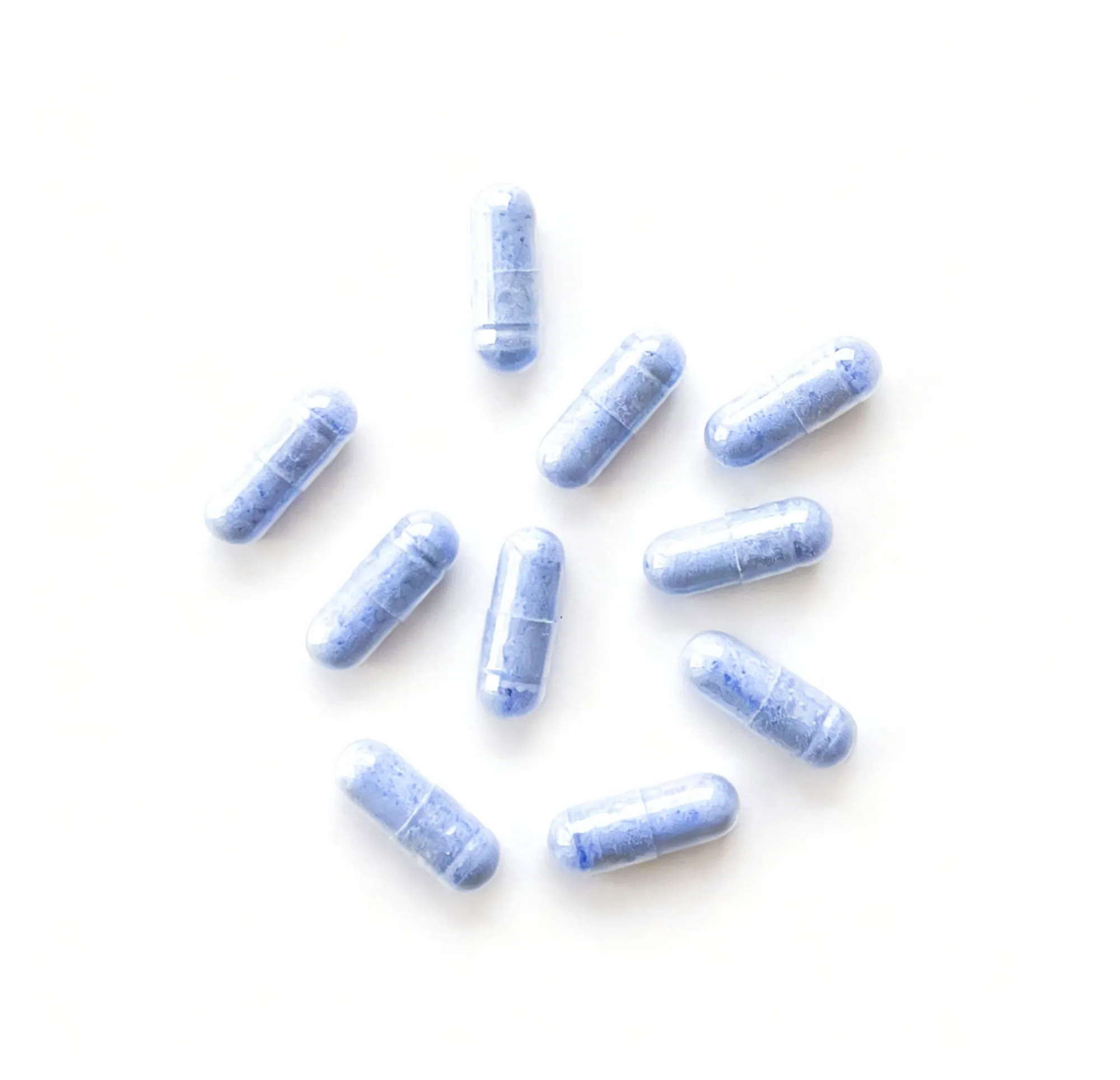
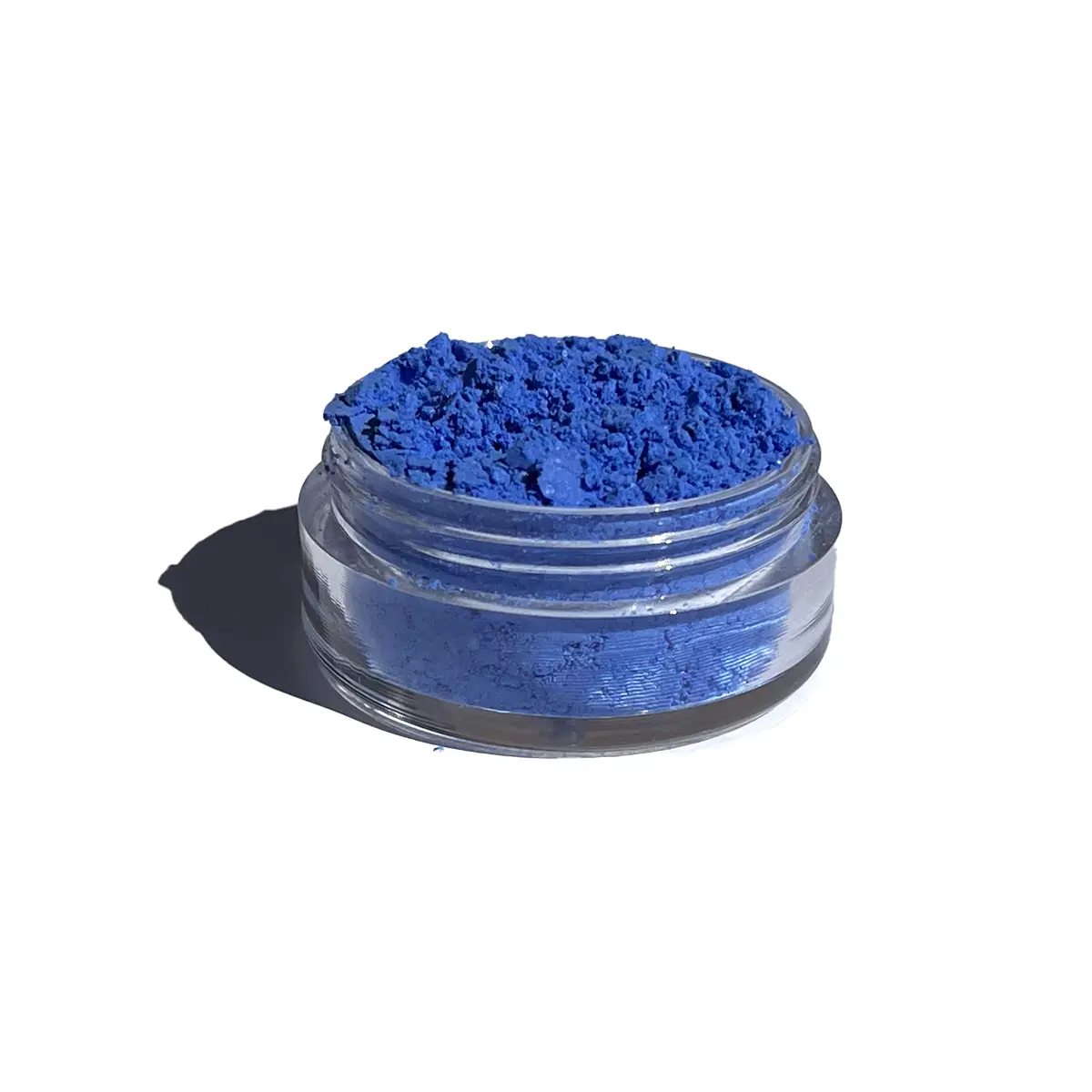
We sell Albion copper bisglycinate, the chelated form the book describes as the most bioavailable copper. The 10mg copper bisglycinate capsules give a fixed amount per capsule, and the 3g copper bisglycinate powder lets you measure in smaller steps with the included scoop. The powder is about 26 percent copper, so a 3g jar holds roughly 780mg of copper.
The book's protocol starts low and increases slowly, and pairs copper with cofactors including magnesium and whole-food vitamin C. We keep amounts and sequencing where they belong, in Minerals Revolution. For background reading on copper enzymes, the Linus Pauling Institute is a reasonable reference, and Ethan's original write-up of this material is Cellular Respiration 101.
Common questions
What is cytochrome c oxidase?
Cytochrome c oxidase is complex IV of the electron transport chain, the copper-dependent enzyme that passes electrons to oxygen and forms water. It is the terminal step of cellular respiration.
Why does cellular respiration need copper?
Copper sits inside cytochrome c oxidase at the CuA and CuB centers, which do the electron handling at the end of the chain. The book also describes the inner mitochondrial membrane as functionally dependent on copper.
How much ATP does one glucose molecule produce?
About 28 to 36 ATP. The book notes that this is the theoretical figure and that real output drops with oxidative stress or with low copper or magnesium.
How much ATP does the body make each day?
Scientists estimate we produce roughly our own body weight in ATP every day and spend about one billion ATP per heartbeat. About 90 percent of that production happens in the mitochondria.
What role does magnesium play in cellular respiration?
Magnesium is required at key steps of glycolysis and the Krebs cycle, and it stabilizes ATP. Cells spend energy as Mg-ATP, the magnesium-bound form.
Why are reactive oxygen species a problem?
ROS are the exhaust of energy production. Copper-dependent enzymes including superoxide dismutase and ceruloplasmin clear them, so low copper means more oxidative stress from the same amount of work.
Pure Minerals copper bisglycinate
Albion copper bisglycinate in capsules and powder, with free US shipping and a 30-day money-back guarantee.