Copper Glycinate vs Copper Bisglycinate: How Every Copper Form Compares
Copper glycinate is copper bound to glycine, and copper bisglycinate is the specific form with one copper ion held by two glycine molecules. That 1:2 structure shields copper from dietary inhibitors and keeps it out of stray oxidation reactions, which is why it is considered the most bioavailable copper form.
Copper glycinate and copper bisglycinate: what the names mean
Copper glycinate is copper bound to the amino acid glycine. It belongs to a group of supplements called chelates, where a mineral is held by an amino acid instead of sitting loose as a salt. Labels use the word "glycinate" loosely. Copper bisglycinate is the precise name for the version where one copper ion is held by two glycine molecules.
That 1:2 ratio of copper to glycine is the whole point. In Minerals Revolution, Ethan explains that bisglycinate is made by reacting glycine with copper carbonate. The copper attaches to each glycine at two spots, the carboxyl group and the amino group, through coordinate covalent bonds. With both glycines locked in place, the copper has very little opportunity to react with compounds in your meal that would block its uptake. The same bonds keep the copper from taking part in stray oxidation reactions on the way in. This is why the book calls bisglycinate the most bioavailable form of copper available.
When a label says only "copper glycinate," the name alone does not tell you the ratio. Look for "copper bisglycinate" or "copper bisglycinate chelate" if you want to know exactly what you are getting.
Copper supplement forms compared
The table below lines up the forms people ask us about most, using the absorption notes from the book's copper chapters. For a broader primer on how copper works in the body, see what copper does for the body.
| Form | What it is | Absorption notes | Where you see it |
|---|---|---|---|
| Copper bisglycinate | One copper ion chelated by two glycine molecules | Considered the most bioavailable form; bonds shield copper from dietary inhibitors | Chelated supplements, including ours |
| Copper glycinate | Copper bound to glycine; ratio not always stated | Chelated, so better absorbed and gentler than unbound copper | Supplement labels, often used as a general term |
| Copper gluconate | Copper salt of gluconic acid | Salts absorb more easily than oxides | Multivitamins and single-mineral tablets |
| Copper citrate | Copper bound to citric acid | Absorbs well, but the book ranks bisglycinate higher | Some mineral blends |
| Copper sulfate | Inorganic salt made with sulfuric acid | Absorbs more easily than oxide; no amino acid protection | Laboratories, industry, a few biohackers |
| Copper oxide | Copper combined with oxygen | Poorly absorbed when swallowed compared with salts | Low-cost tablets and topical products |
| Elemental copper | Copper metal with no carrier | Not well absorbed; large amounts upset the stomach | Cookware, pipes, coins, surfaces |
Form matters because absorption swings widely. The book notes that people absorb anywhere from 15 to 97 percent of the copper they take in, depending on how much copper is present, what form it is in, and what else is in the meal.
Copper gluconate vs bisglycinate
Copper gluconate is a salt. The book groups it with copper acetate and copper sulfate as salts that are absorbed more readily than copper oxide. Gluconate is also the form used in a primate study the book cites: monkeys fed a high copper diet for two months showed no signs of toxicity, only higher ceruloplasmin. So gluconate is a workable form.
The difference is how the copper travels. A salt breaks apart in the gut and releases copper ions, and those ions are exposed to everything that slows copper absorption. The book lists high zinc intake, cadmium, phytates and simple sugars such as fructose and sucrose. A bisglycinate chelate keeps the copper held by glycine through that stretch. We chose bisglycinate for that reason, and our guide to chelated copper goes deeper on why chelation also tends to sit better in the stomach.
Copper sulfate as a supplement
Copper sulfate is produced industrially by reacting copper metal with hot concentrated sulfuric acid, or copper oxides with dilute acid. Its usual home is the lab. It shows up in high school chemistry classes and in lakes to control algae, and it was once used to make people vomit. Some biohackers have started taking it.
Our position follows the book. Copper sulfate does absorb better than oxide, but it is an inorganic salt with nothing shielding the copper. The book points out that copper salts are poisonous in large amounts, and the rare acute poisoning cases on record involve people swallowing large quantities of copper sulfate on purpose. Metallic copper and chelated copper are a different story. For daily intake we prefer a chelate. If safety is your main worry, read is copper toxic for the fuller picture.
Copper oxide and elemental copper
Copper oxide sits near the bottom for oral absorption. It does have a strong record on the skin: the book describes more than ten clinical trials of copper oxide products in which not a single adverse reaction was recorded.
Elemental copper, the plain metal, is not well absorbed when swallowed, and high intakes tend to cause stomach upset. Copper coins are not known to have poisoned anyone. People have used copper vessels for thousands of years, and the book notes that long-term use of copper cookware for storing water can add small amounts of copper to the diet.
Cu(I) vs Cu(II) copper
Copper exists in two main redox states: oxidized Cu(II), also called cupric copper, and reduced Cu(I), called cuprous copper. The ability to move between the two is what makes copper so useful to enzymes. It lets copper pass electrons in the reactions that produce cellular energy and neutralize reactive oxygen species.
Some sellers market one state as better. The book's view is that the body uses copper in both states and converts between them as needed, so from what we currently understand, the state of the copper you swallow makes little practical difference. Copper bisglycinate carries copper in the bivalent Cu(II) state. Pick a form based on absorption and how your stomach handles it.
Why we use Albion copper bisglycinate
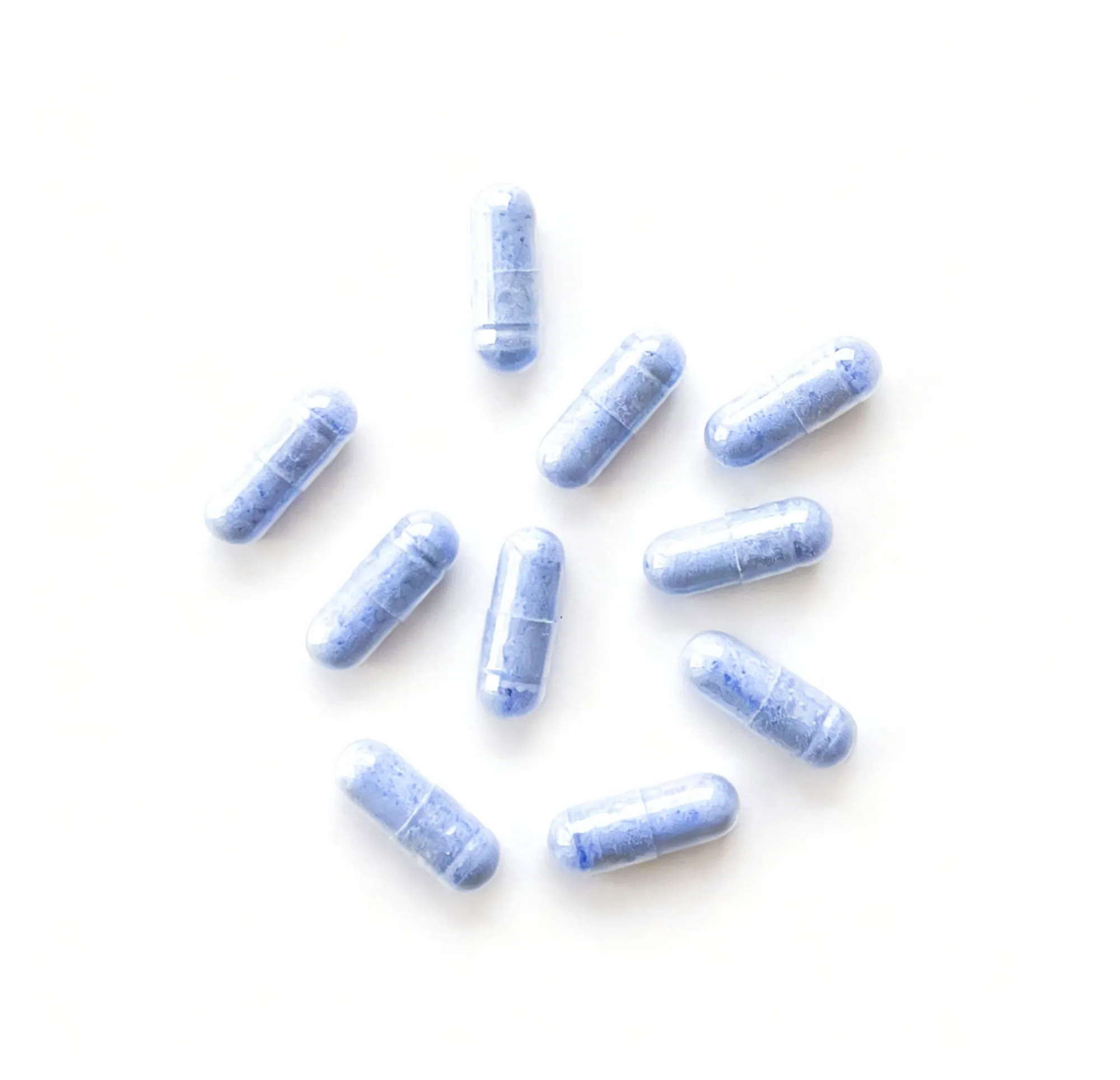
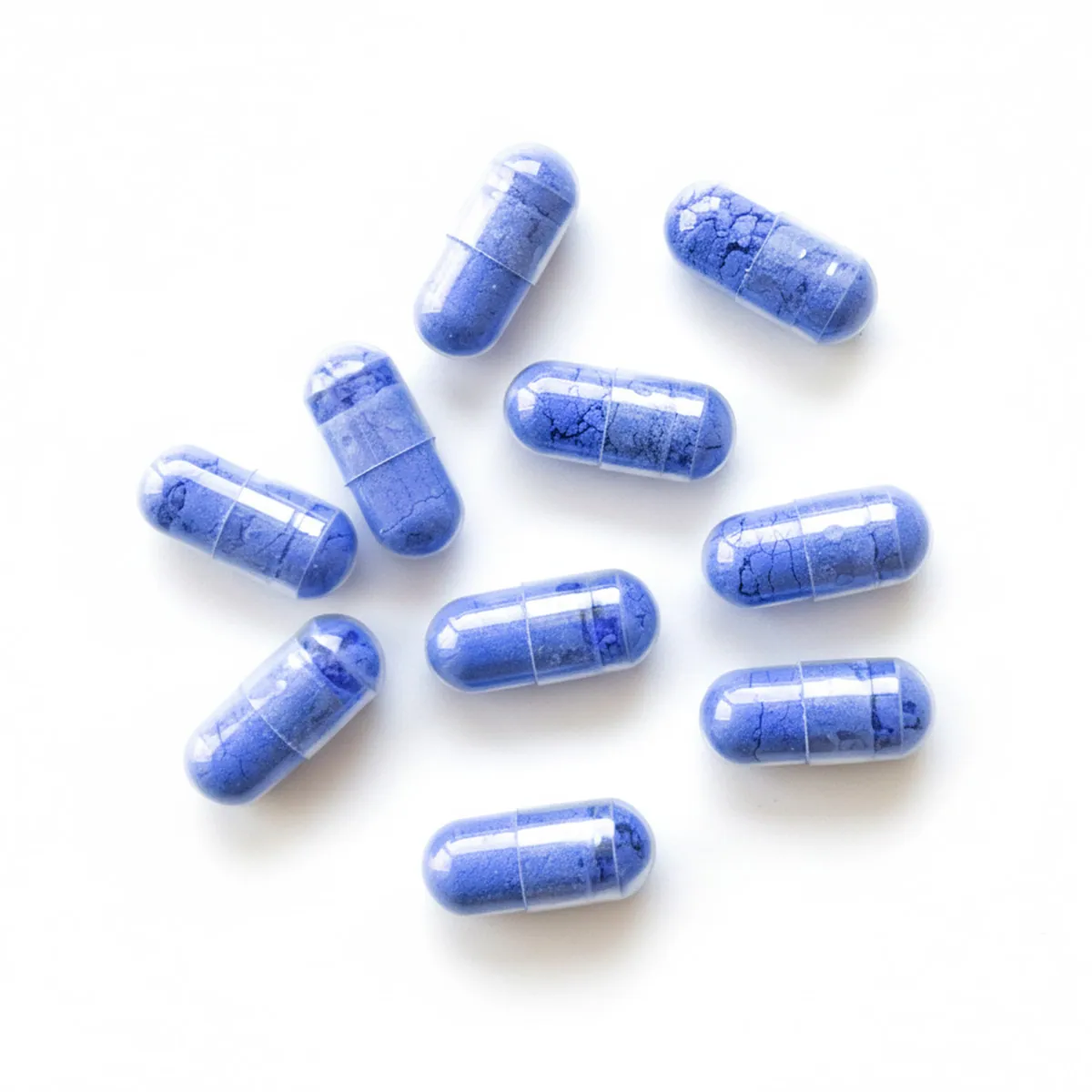
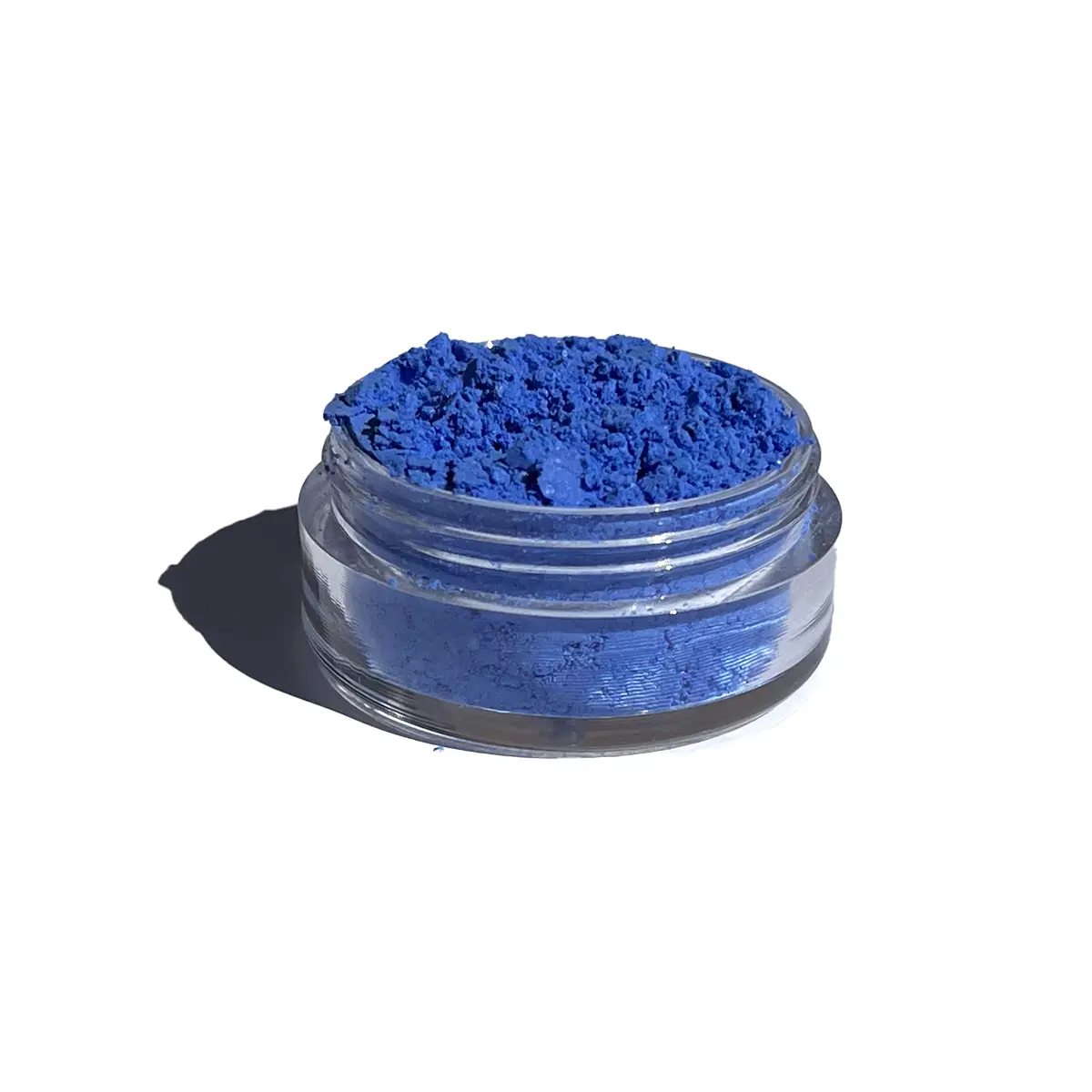
Albion is a long-established name in mineral amino acid chelates, and its chelated minerals are used across the supplement industry. Both our capsules and our powder use Albion copper bisglycinate. By weight, the powder is roughly 26 percent copper; the glycine makes up most of the rest. The book notes that copper bisglycinate occurs as deep blue needle crystals or as a lighter blue powder, so a blue to purplish blue color is normal.
If you want a fixed amount, our 10mg copper bisglycinate capsules and 20mg capsules keep things simple. If you want to set your own amount in small steps, the 3g copper bisglycinate powder is the flexible option, and our powder guide explains the scoop.
A note on amounts: 10mg a day is the commonly cited upper limit for adults, and Ethan considers it conservative. The book's protocol starts low and increases slowly. For the full approach, including how zinc and copper fit together, read Minerals Revolution. For outside background, the Linus Pauling Institute copper page and Ethan's earlier Copper 101 overview are good starting points.
Common questions
Is copper glycinate the same as copper bisglycinate?
They are closely related. Copper glycinate is a general term for copper bound to glycine, while copper bisglycinate specifically means one copper ion bound to two glycine molecules.
What is the most bioavailable form of copper?
Copper bisglycinate is believed to be the most bioavailable form. Its two glycine bonds protect the copper from dietary inhibitors such as phytates and high zinc intake.
Is copper gluconate or bisglycinate better?
Gluconate is a copper salt that absorbs better than copper oxide. Bisglycinate is a chelate that keeps copper bound to glycine through digestion, so we prefer it for absorption and stomach comfort.
Is copper sulfate a good copper supplement?
Copper sulfate is an inorganic salt used mostly in labs and industry. It absorbs better than oxide, but copper salts are poisonous in large amounts, so we prefer a chelated form for daily use.
Does it matter if copper is Cu1 or Cu2?
Based on current understanding, not much. The body uses copper in both states and converts between them as needed.
Why is copper bisglycinate blue?
Copper compounds are naturally blue. Copper bisglycinate occurs as deep blue crystals or a lighter blue powder, so shades from blue to purplish blue are normal.
Pure Minerals copper bisglycinate
Albion copper bisglycinate in capsules and powder, with free US shipping and a 30-day money-back guarantee.