Copper and Grey Hair: How Copper Supports Hair Pigment
Copper and grey hair are connected through tyrosinase, the copper-dependent enzyme that starts melanin production in hair follicles. When copper enzyme activity runs low, pigment production slows, and Minerals Revolution names depigmentation as a sign of reduced tyrosinase activity from low copper.
How copper relates to grey hair
Hair gets its color from melanin, a pigment made by cells called melanocytes at the base of each hair follicle. The enzyme that starts melanin production is tyrosinase, and tyrosinase cannot work without copper. That is the core link between copper and grey hair. When pigment production falls off, new hair grows in with less color.
In Minerals Revolution, Ethan lists tyrosinase among the key copper-dependent enzymes, alongside cytochrome c oxidase for energy production and ceruloplasmin for iron handling. Copper sits at the active center of each one. You can read the full list on our what copper does for the body page.
Tyrosinase: the copper enzyme behind melanin
Tyrosinase converts the amino acid tyrosine into the early building blocks of melanin. It holds two copper ions in its active site, and those copper ions do the chemical work by handling oxygen. Without enough copper available to load into the enzyme, tyrosinase activity drops and the pigment pathway slows down.
The same enzyme family shows up in skin and eye pigment, which is why the book lists healthy hair, skin and eyes together among copper's roles.
Copper deficiency and grey hair
The book makes a specific point here: most features of severe copper deficiency can be traced to one or more copper enzymes failing, and depigmentation is the example it gives for tyrosinase. Loss of color in hair and skin is one of the visible signs that copper enzyme activity is running low.
Ethan also stresses that research has focused on severe, acute deficiency, which is rare. Marginal, chronic shortfall is far more common, and it is harder to spot. Low copper status does not always lower the amount of copper enzymes in the body, but it does reduce how active they are. Standard blood tests look at serum, while most copper lives in tissues, bones and organs, so a normal serum result can miss a tissue shortfall. Our copper deficiency symptoms page covers the other signs the book connects to low copper.
What pulls copper away from pigment
From the book's perspective, the modern diet works against copper on two fronts. Iron has been added to the food supply in large amounts, and copper is needed to keep iron in balance, so excess iron draws on copper that would otherwise serve other enzymes (see copper and iron). High zinc intake also competes with copper absorption, which is why the book advises taking the two hours apart. Diets heavy in phytates and simple sugars reduce copper uptake as well.
The book adds a vitamin C angle. Ethan's position is that whole food vitamin C complex contains tyrosinase, while isolated ascorbic acid does not, which is one reason he prefers whole food sources. More on that at whole food vitamin C vs ascorbic acid.
Copper supplement for hair: realistic expectations
Copper supports normal hair pigmentation because tyrosinase requires it. That is a structure and function statement, and we keep it there. Hair color also depends on age, genetics and many other factors, and we make no promise that any supplement will bring back color to hair that has already turned grey. What copper does is supply the metal your pigment enzyme needs to do its job.
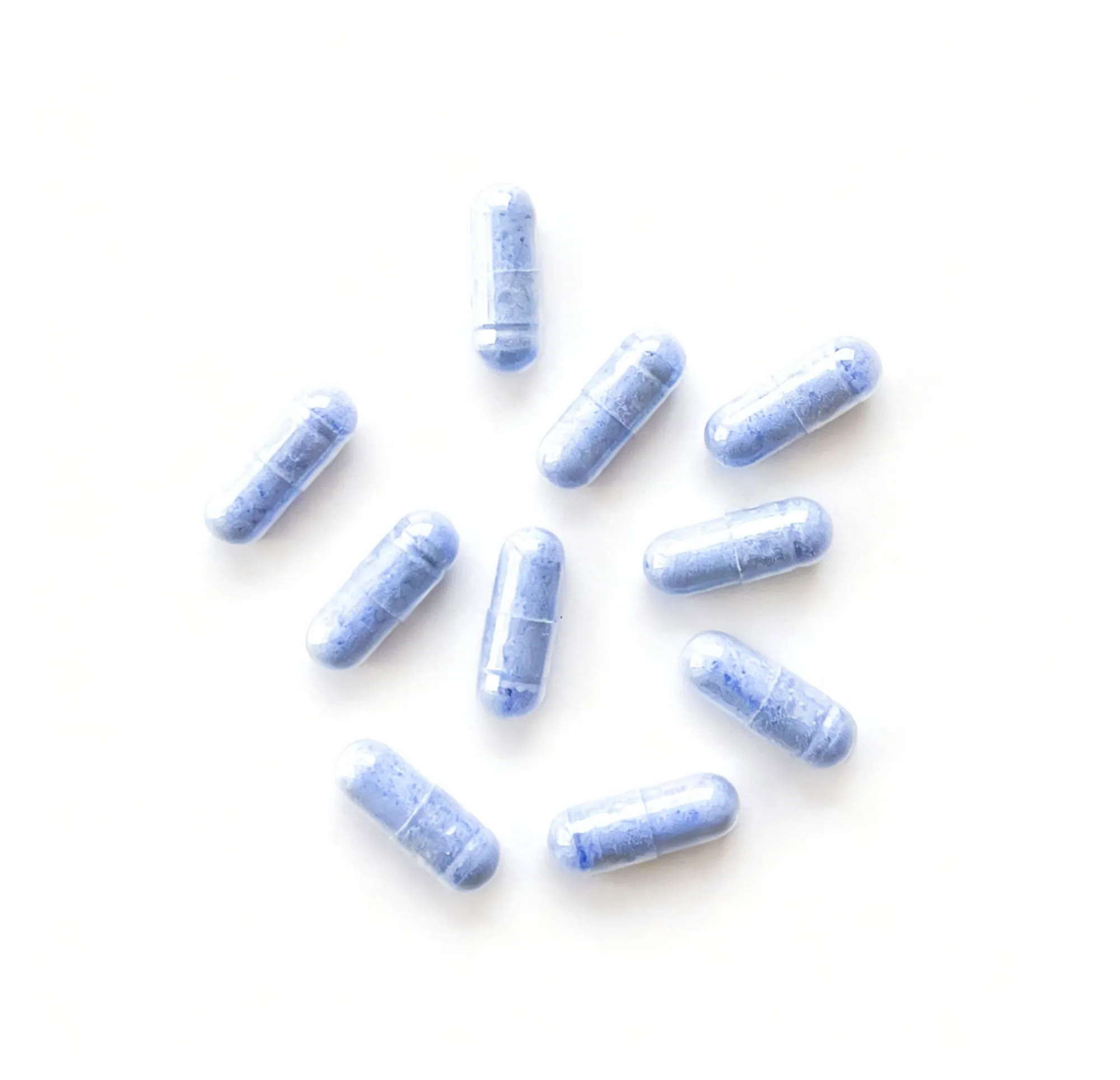
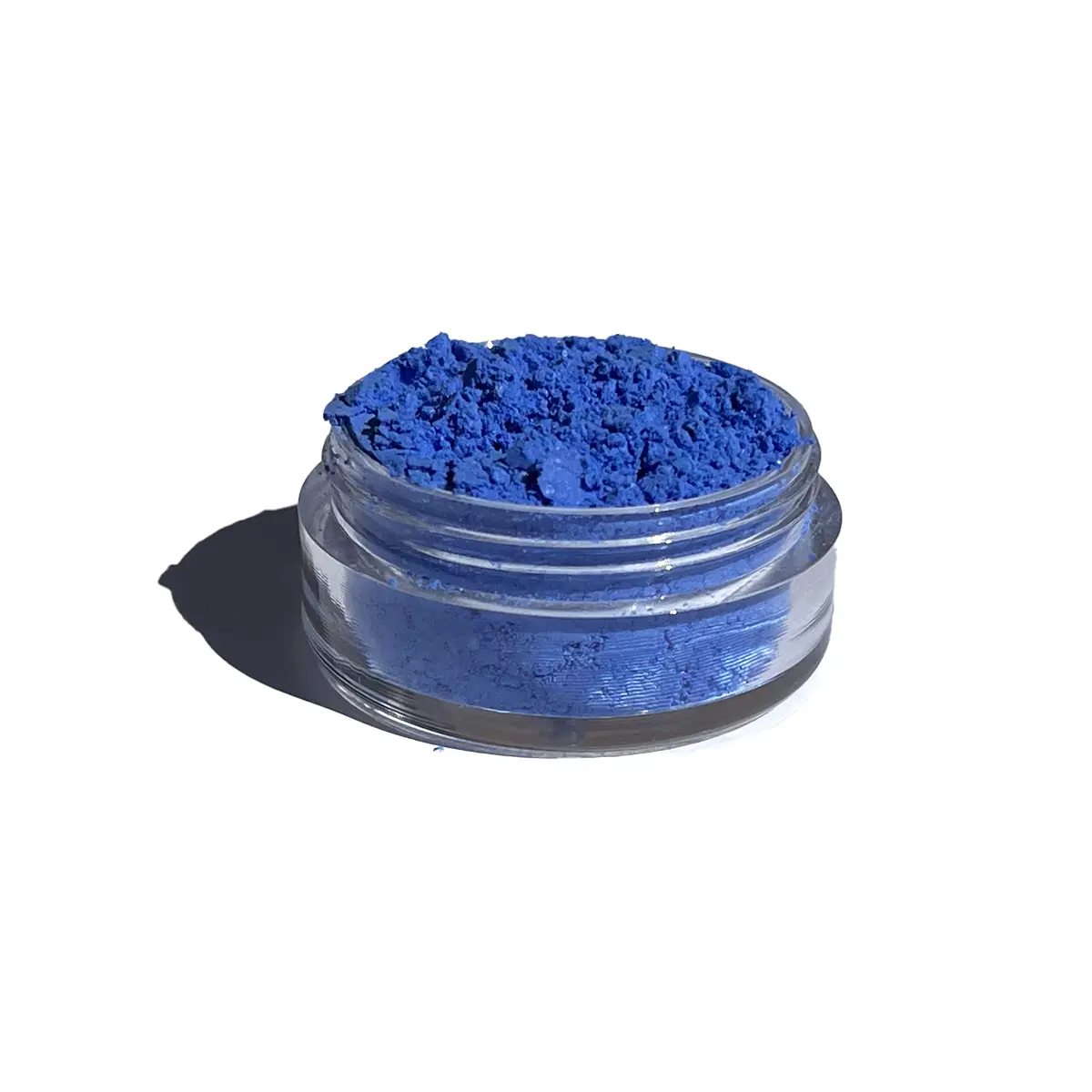
If you want to support copper status, form matters. We use Albion copper bisglycinate, a chelate that the book describes as the most bioavailable form of copper. Our 10mg copper bisglycinate capsules are an easy fixed amount, and the 3g copper bisglycinate powder lets you measure in small steps. The book's approach starts low and increases slowly, and 10mg a day is the commonly cited adult upper limit, which Ethan considers conservative. Dosing detail is in Minerals Revolution.
For outside reading, the Linus Pauling Institute copper page covers copper enzymes, and Ethan's Copper 101 gives his broader take.
Common questions
Can copper deficiency cause grey hair?
Minerals Revolution lists depigmentation as a feature of low copper, explained by reduced activity of tyrosinase, the copper enzyme that makes melanin. Hair color also depends on age and genetics.
What does copper do for hair?
Copper is required for tyrosinase, the enzyme that starts melanin production, so it supports normal hair pigmentation.
Will a copper supplement bring my hair color back?
We make no such promise. Copper supplies what tyrosinase needs to work, but hair color depends on many factors beyond copper.
What is the best copper supplement for hair?
We use Albion copper bisglycinate, a chelated form considered the most bioavailable copper. It comes in 10mg and 20mg capsules and as a powder.
Does zinc affect copper and hair color?
Zinc competes with copper for absorption, so high zinc intake can reduce the copper available to enzymes like tyrosinase. The book advises taking them hours apart.
Pure Minerals copper bisglycinate
Albion copper bisglycinate in capsules and powder, with free US shipping and a 30-day money-back guarantee.