Chelated Copper: What It Is and How to Choose Bioavailable Copper
Chelated copper is copper bound to an amino acid, most often glycine in copper bisglycinate. The bond shields copper from dietary blockers and limits free copper ions in the gut, so chelated copper tends to absorb better and sit easier on the stomach than copper salts, oxides or metal.
What chelated copper is
Chelated copper is copper that has been chemically bound to an organic molecule, usually an amino acid. The word comes from the Greek for claw, and that is a fair picture: the amino acid grips the copper ion from more than one side. Copper bisglycinate, the most common chelate, uses two molecules of glycine, the smallest amino acid.
Copper is a reactive metal. That reactivity is what makes it so useful to enzymes, and it is also why copper is rarely found loose in nature or in the body. The book Minerals Revolution makes the point that nearly all measurable copper in the body is already bound to proteins and enzymes, with ceruloplasmin as the major carrier (see our page on ceruloplasmin). A chelate delivers copper in a bound form from the start.
Why chelated copper is easier on the stomach
Swallowing free copper ions is where people run into trouble. Elemental copper is poorly absorbed, and high amounts of it tend to cause stomach upset. Copper salts dissolve into free ions in the gut, and in large amounts they irritate the lining quickly enough that copper sulfate was once used to make people vomit.
In a chelate, the glycine holds the copper through coordinate bonds, so fewer free ions touch the stomach wall. The book notes that chelated copper may be better absorbed and easier on the stomach than unbound forms. Our experience matches that, and it is why we sell only chelated copper. Most people still do best taking it with a meal.
What makes copper bioavailable
Bioavailable copper is copper your body can absorb and then put to work in enzymes. Absorption varies more than most people expect. According to the book, humans absorb somewhere between 15 and 97 percent of the copper they eat, depending on the dose, the form and the rest of the diet.
Several things in a normal diet get in the way. High zinc intake, cadmium, phytates from grains and seeds, and simple sugars like fructose and sucrose all reduce copper uptake. Animal protein and citrate help it along. A chelate tilts the odds in your favor: with copper held by two glycines, dietary inhibitors have little chance to bind it before it is absorbed.
Absorption is only the first step. Once copper reaches the liver, most of it is loaded into ceruloplasmin, which moves copper to tissues and drives the iron handling described on our copper and iron page. This is the sense in which we use "bioavailable": copper that ends up where the body uses it.
How to read a chelated copper label
The number that matters on a copper label is the amount of elemental copper, meaning the copper itself. The compound weight is a different number. Copper bisglycinate is a molecule made mostly of glycine, so a given weight of the compound contains much less copper than its total weight.
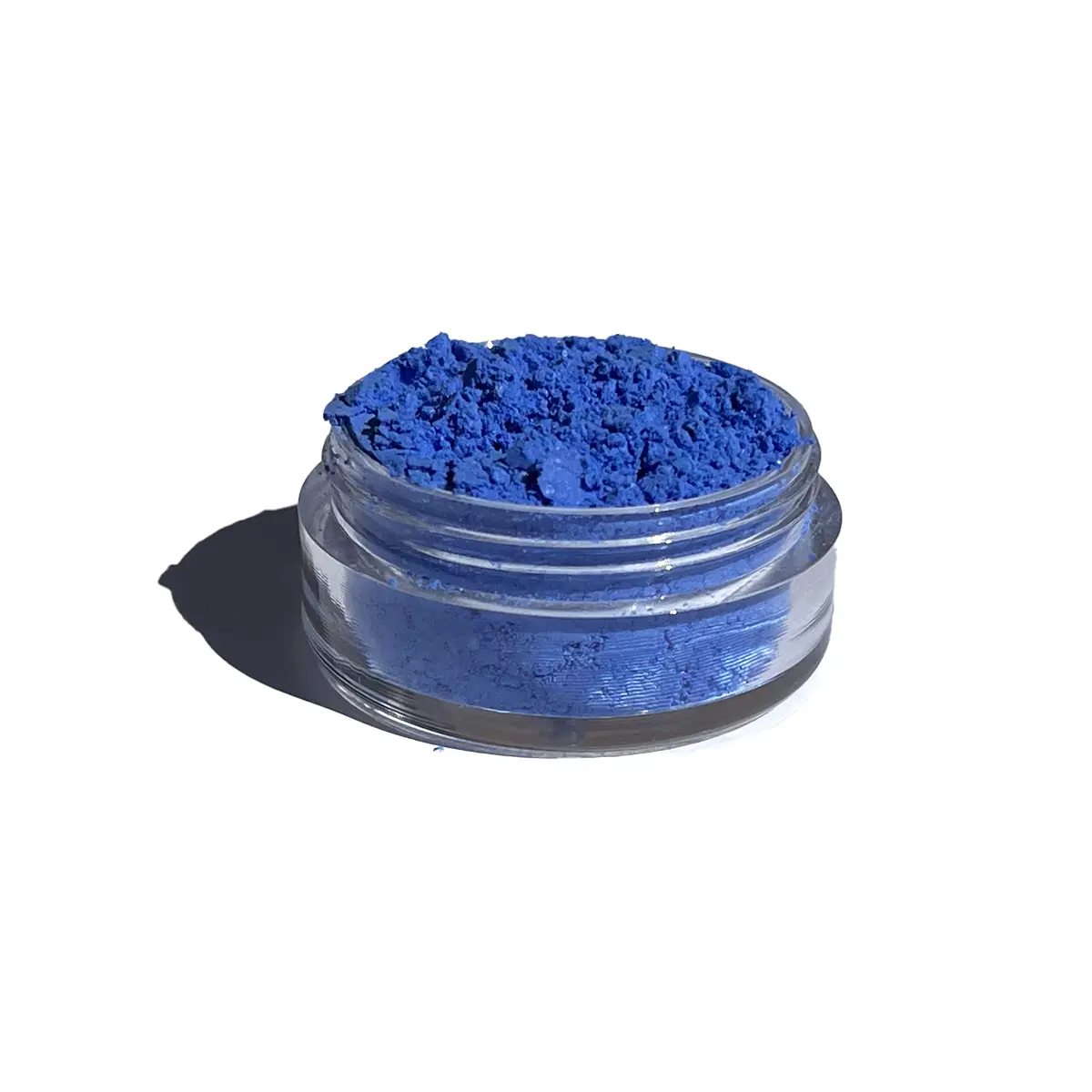
Our Albion copper bisglycinate powder is about 26 percent copper by weight. That means:
- 100mg of the powder contains roughly 26mg of copper.
- A 3g jar (3,000mg of powder) holds roughly 780mg of copper.
- A label that lists "50mg copper bisglycinate" without an elemental figure would contain only around 13mg of copper, assuming the same 26 percent material.
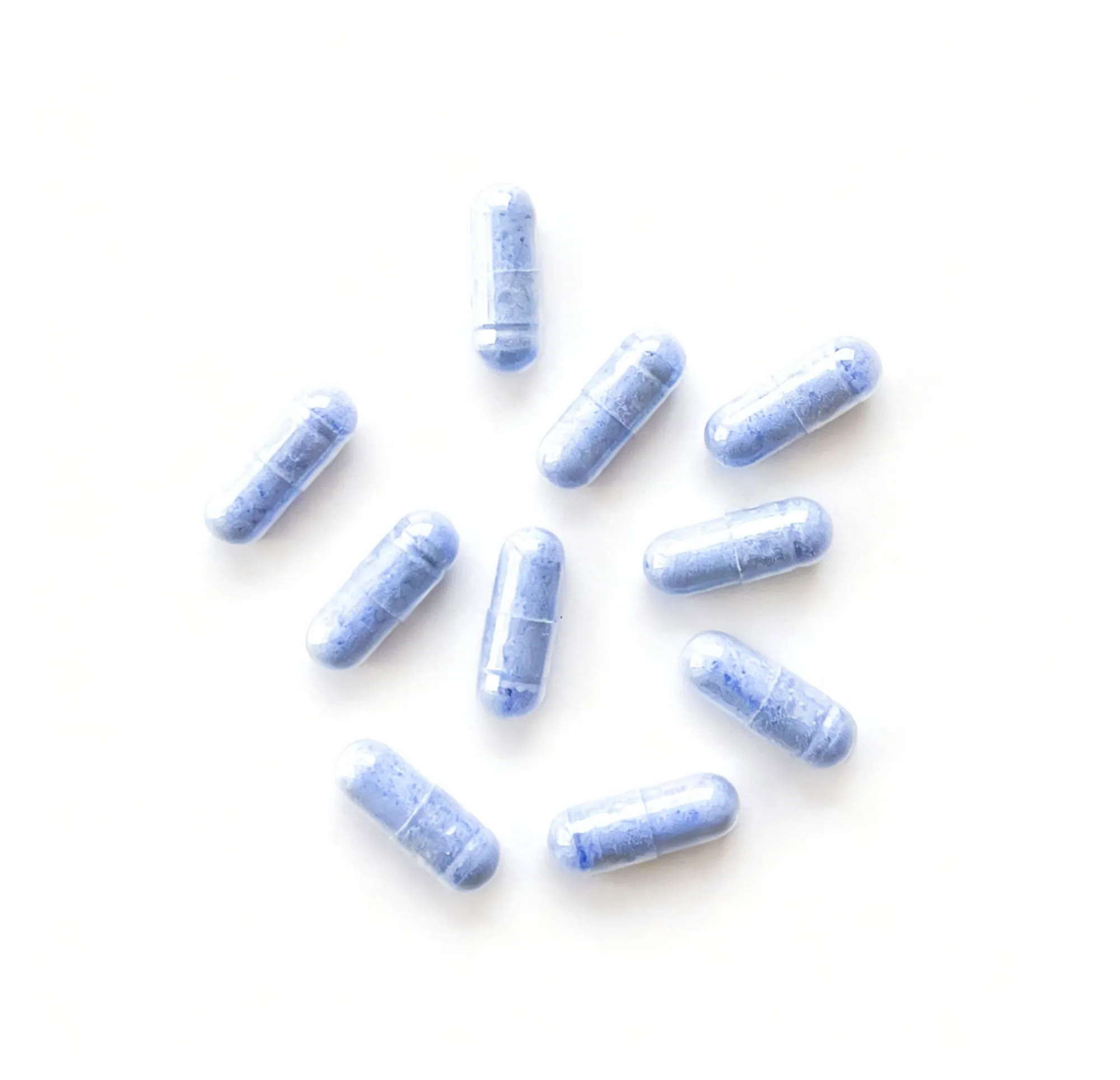
Good labels state the elemental copper amount directly, often as "copper (as copper bisglycinate chelate)." If a product lists only the compound weight, do the math before comparing it with anything else. Our capsules are labeled by copper content: each 10mg capsule contains 10mg of copper, not 10mg of compound.
A few other label checks we find useful:
- The form should be named precisely, such as copper bisglycinate, and not just "copper."
- Check the other minerals in the product. Zinc in the same capsule competes with copper, which is why the book advises taking the two hours apart (more on our zinc and copper page).
- Note what the capsule shell is made of. Ours are bovine gelatin.
- Look for the chelate maker. We use Albion.
Chelated copper for daily use
For people who want precise control, the 3g copper bisglycinate powder lets you measure small amounts with the included scoop; our powder guide covers the details. For people who want a fixed, easy serving, the 10mg copper bisglycinate capsules are the simplest start. If you are comparing chelates with salts and oxides, our copper glycinate vs bisglycinate page has a side by side table.
The book's protocol starts low and builds slowly, and 10mg a day is the commonly cited upper limit for adults, a figure Ethan considers conservative. Dosing depth lives in Minerals Revolution. For general reference, see the Linus Pauling Institute copper overview.
Common questions
What does chelated copper mean?
It means the copper is chemically bound to an organic molecule, usually an amino acid like glycine. Copper bisglycinate is the most common chelated copper.
Is chelated copper better absorbed?
Chelated copper is considered better absorbed than elemental copper and copper oxide. The amino acid bonds protect copper from dietary inhibitors such as phytates and high zinc intake.
Why does chelated copper upset the stomach less?
The amino acid holds the copper, so fewer free copper ions contact the stomach lining. Taking it with a meal helps further.
How much copper is in copper bisglycinate?
Our Albion copper bisglycinate powder is about 26 percent copper by weight. A 3g jar holds roughly 780mg of copper.
What is bioavailable copper?
Bioavailable copper is copper your body can absorb and then use in enzymes and transport proteins such as ceruloplasmin.
Pure Minerals copper bisglycinate
Albion copper bisglycinate in capsules and powder, with free US shipping and a 30-day money-back guarantee.