How to Use Copper Bisglycinate Powder: Scoops, Timing and Storage
Copper bisglycinate powder is about 26 percent copper, so a 3g jar holds roughly 780mg of copper and the small scoop holds about 2.6 to 3.9mg. Take it with a meal that includes protein, keep it hours apart from zinc, start low and store it cool, dry and tightly closed.
What is in a jar of copper bisglycinate powder
Our copper bisglycinate powder is Albion chelated copper with nothing else added to the jar. Copper makes up about 26 percent of the powder by weight, and glycine makes up most of the rest. A 3g jar therefore holds roughly 780mg of copper. The 6g option is two 3g jars, about 1,560mg of copper in total, so each jar gets opened and used on its own.
That 26 percent figure is the key to everything else on this page. When you measure powder, you are measuring the compound, and only about a quarter of it is copper. Our chelated copper page explains this label math in more detail.
How much copper is in each scoop
Each jar comes with a double-ended scoop. Level scoops give you these approximate amounts of copper:
- Small side: about 2.6mg to 3.9mg of copper.
- Large side: about 6.5mg to 7.8mg of copper.
The ranges reflect how firmly the powder packs into the scoop. Level it off with a clean, dry edge for the most consistent amount. If you need finer control, a milligram scale is inexpensive and takes the guesswork out.
How to take copper powder with food
Take the powder with a meal. The book's guidance is to take copper with food, ideally protein, eggs and similar foods, and to split it across breakfast and lunch when you take it more than once a day. Many people stir the measured amount into a bite of food or a small amount of liquid and take it with the meal. Taking copper on an empty stomach is the most common reason people feel queasy.
What helps and hinders copper absorption
Minerals Revolution lists several foods and nutrients that improve copper uptake:
- Animal protein, including meat and eggs
- Citrate and citrus
- Phosphate
- Calcium and potassium
And several that work against it:
- High dietary zinc
- Cadmium
- Large amounts of phytate, found in grains, seeds and legumes
- Simple sugars such as fructose and sucrose
The book also notes that small amounts of ascorbic acid can interfere with copper levels, which is one reason Ethan favors whole food vitamin C (see whole food vitamin C vs ascorbic acid).
Take copper and zinc at different times
Zinc competes with copper for absorption, partly by prompting the body to make metallothionein, a protein that holds onto copper. The book's advice is to keep the two apart by hours, with copper earlier in the day and zinc in the afternoon or later. As copper intake rises, zinc needs rise too. Our zinc and copper page covers how the two work as a pair.
Why the powder color varies
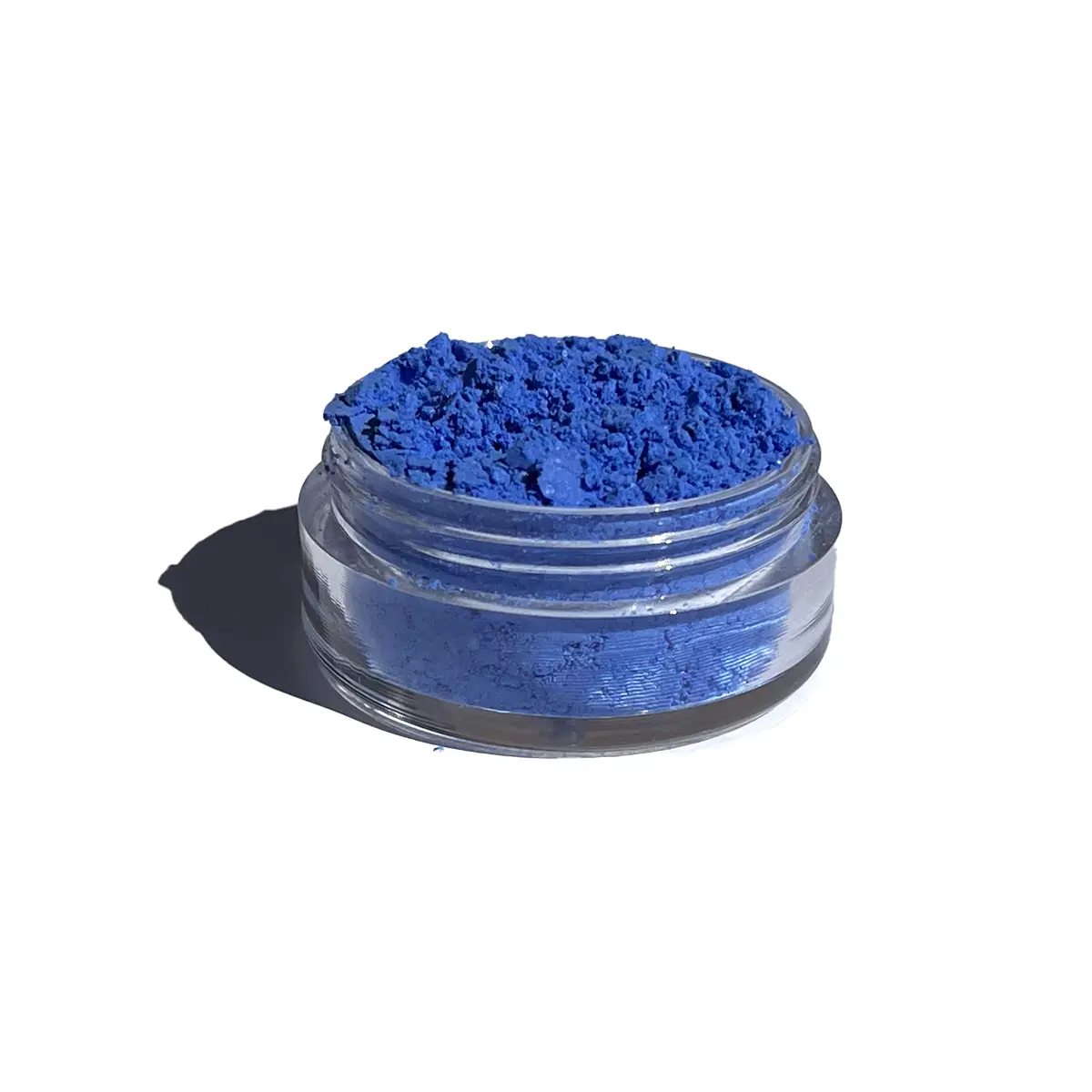
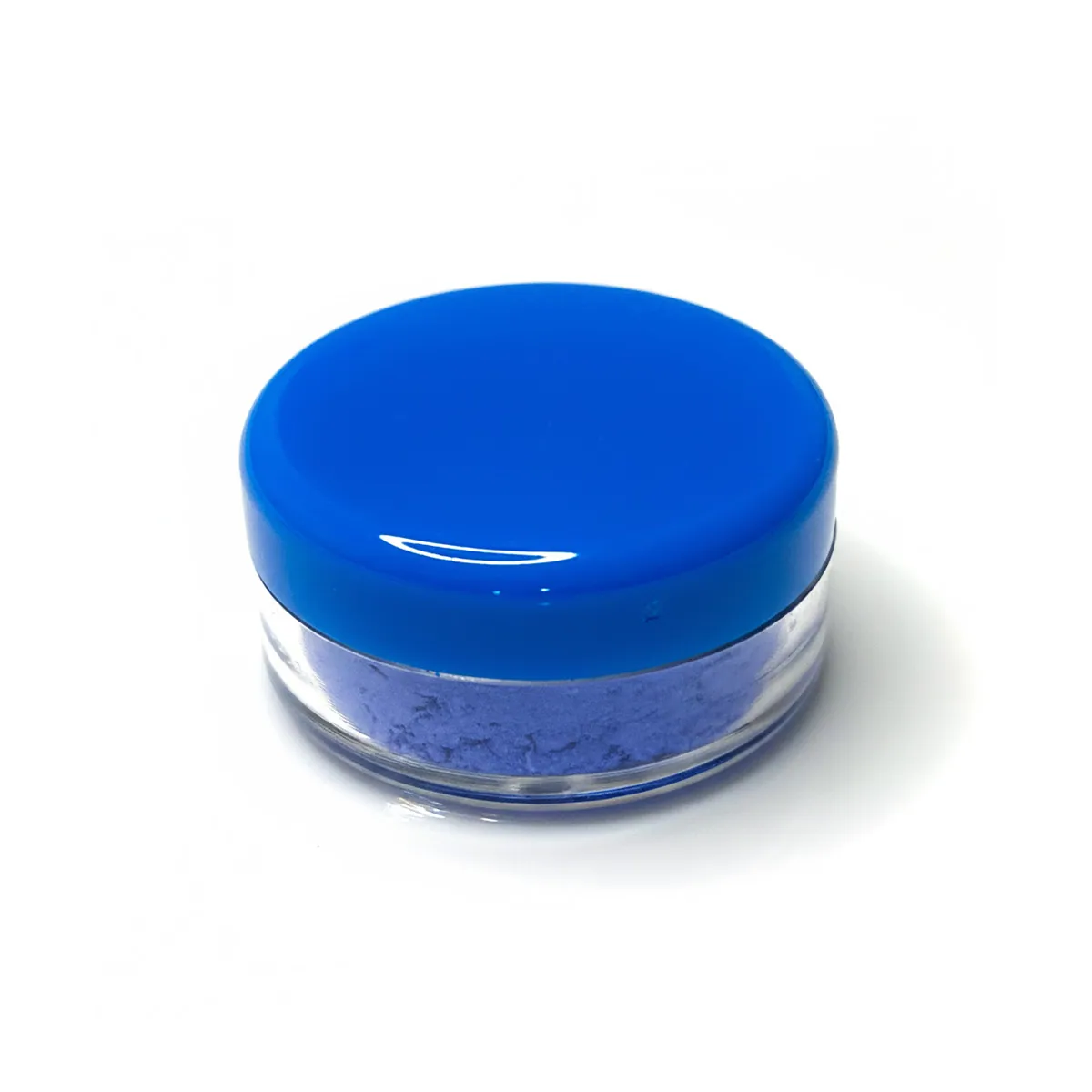
Copper bisglycinate is naturally blue. The book notes that it occurs in two hydrated forms, one as long deep blue needles and the other as light blue powdery crystals. Depending on the batch and how much moisture the crystals hold, your powder can look anywhere from blue to purplish blue. Both are normal and both are the same compound.
How to store copper bisglycinate powder
- Keep the jar in a cool, dry place away from direct heat.
- Close the lid tightly after every use so the powder does not pick up moisture and clump.
- Use a dry scoop. Water on the scoop will cake the powder.
- Store it out of reach of children. Its bright color can attract them.
Start low and build slowly
The book's protocol starts with a small amount of copper and increases slowly, paying attention to how you feel along the way. The small side of the scoop exists for exactly that kind of gradual build. Ten milligrams a day is the commonly cited upper limit for adults, and Ethan considers that figure conservative. The specific amounts and pacing are laid out in Minerals Revolution, along with the cofactors that come into play as copper intake goes up. If safety is on your mind, read is copper toxic first.
Copper capsules vs powder
Capsules are fixed at 10mg or 20mg of copper per capsule, in bovine gelatin shells. They are convenient and need no measuring. Their limit is that you cannot take less than one capsule's worth without opening it.
Powder lets you set small amounts, which is useful early on or when you are adjusting in small steps. It also suits people who avoid gelatin. Many people use the powder while building up and switch to capsules once they settle on an amount.
Shop the 3g copper bisglycinate powder or the 6g copper bisglycinate powder. For fixed servings, see our 10mg copper bisglycinate capsules and 20mg capsules.
Common questions
How much copper is in a scoop of copper bisglycinate powder?
The small side of our scoop holds about 2.6 to 3.9mg of copper, and the large side holds about 6.5 to 7.8mg. The powder itself is about 26 percent copper by weight.
How do you take copper powder?
Measure the amount with the scoop and take it with a meal, ideally one with protein such as eggs or meat. Keep it a few hours apart from zinc.
Should copper be taken with food?
Yes. The book advises taking copper with food, and protein helps absorption. Taking it on an empty stomach is a common cause of nausea.
Why is my copper powder purple?
Copper bisglycinate ranges from blue to purplish blue depending on its crystal form and moisture content. The color variation is normal.
How should I store copper bisglycinate powder?
Keep it in a cool, dry place with the lid tightly closed, and use a dry scoop so the powder does not clump.
Is copper powder or capsules better?
Capsules give a fixed 10mg or 20mg of copper in bovine gelatin shells. Powder lets you measure smaller amounts, which helps when starting low.
Pure Minerals copper bisglycinate
Albion copper bisglycinate in capsules and powder, with free US shipping and a 30-day money-back guarantee.