Ancestral Diets: How to Eat for Mineral Status Before You Supplement
An ancestral diet means learning from your own ancestry rather than copying a fixed caveman menu, since people ate differently by region and season. The rules are whole foods from the store perimeter, organic where possible, ruminant meat and wild fish, grass-fed butter, and no added iron or fortified products.
What an ancestral diet means in Minerals Revolution
Most people hear "ancestral diet" and picture a caveman menu with a fixed list of approved foods. That is not what Ethan is describing. People across the world ate very differently depending on where they lived, what grew there, and what season it was. The point is to learn from your own ancestry and borrow from it, not to copy someone else's reconstruction of the Paleolithic.
In practice that means one person does well with more fruit and carbohydrate while another does better with more meat, fat, and dairy. Your own needs may shift with the seasons. There is no single template, so look at where your people came from, test things, and pay attention to which foods leave you energized. The guidelines below are the starting frame Ethan lays out in Minerals Revolution, and they hold up across almost any heritage.
Eat whole foods and shop the perimeter
The foundation is whole food that carries nutrients your body can use. In a supermarket that means the outer walls, where produce, meat, eggs, and dairy sit, and skipping the center aisles where the boxes live. One filter does most of the work: do not eat anything your great-grandmother would not recognize as food. Skip anything with ingredients that are unfamiliar, unpronounceable, or include high-fructose corn syrup.
Buy organic wherever you can. This is a mineral question as much as a pesticide question. Glyphosate is a chelator, so it binds copper, magnesium, manganese, zinc, and calcium and pulls them out of the food chain before they ever reach you. It also interferes with the production of ceruloplasmin, the copper protein that handles iron. Conventional produce arrives with less mineral content and more of what strips minerals. Our page on how the mineral crisis happened covers the farming side of that story.
Fats, oils, and why processed oils are out
Healthy fats and cholesterol are required equipment. The liver makes roughly a gram of cholesterol every day because cell membranes, the nervous system, and hormone production all depend on it. Organic grass-fed butter is one of the best foods on the list, and it carries retinol, the animal form of vitamin A that copper metabolism leans on. See retinol and copper for how the two work together.
Processed and hydrogenated oils are out, without exception. Fresh olive oil, avocado oil, and coconut oil can work well, but treat them carefully. Fat oxidizes fast, and time and light alone will do it even in a raw, unheated oil. Buy small bottles and keep them dark and cool. Oxidized fat adds to the oxidative load your copper-dependent antioxidant enzymes have to clear, which is the opposite of what you want while rebuilding mineral status.
Which animal foods to eat on an ancestral diet
When you eat meat, favor animals with multiple stomachs: cattle, bison, goat, lamb. Organic and 100% grass-fed. A ruminant's digestive system concentrates minerals in a way a chicken's does not, and grain-fed animals reflect the depleted soil their feed came from. Avoid chicken where you can. Wild-caught fish and seafood are almost always a good choice, and farm-raised is the version to skip.
Eat organic pasture-raised eggs daily if you tolerate them. Ethan calls them nature's multivitamin, and there is a note worth knowing for anyone with a sulfur problem: tolerance for sulfur tends to improve as copper status improves, so eggs that bother you now may not bother you in six months. Milk comes with one condition. Drink it only if it is raw, 100% grass-fed, organic, and ideally A2. Pasteurization is one of the processing steps that strips the food, and the A2 distinction matters for how well most people handle it.
Avoid added iron and fortified foods
This rule does more for mineral status than almost anything else on the list. Skip foods with added iron or added vitamins. Inorganic iron has been added to enriched flour and grain products since the 1940s, and it is not the form the body evolved to handle. The synthetic vitamins added alongside it are built from chemicals and often behave differently from the versions found in food.
The reason this matters: iron and copper run on the same machinery. Bioavailable copper builds ceruloplasmin, and ceruloplasmin is what allows the body to move iron where it belongs. Push more unregulated iron in while copper is low and you make the imbalance worse. Read iron dysregulation and copper and iron for the mechanism.
How you eat matters as much as what you eat
- Do not drink your calories. Juices and smoothies deliver a large sugar load without the fiber and chewing that normally slow it down. Occasionally they are fine. As a habit, they cause more problems than they solve.
- Chew each bite at least 20 times. Digestion starts in the mouth, and minerals you never liberate from the food matrix are minerals you never absorb. This is free and most people skip it.
- Eat to about 80% full. Stopping short of full leaves digestive capacity in reserve, which means more of what you ate gets broken down and taken up.
Plants, oxalates, and how to cook
Fruits and vegetables need more care than they usually get. Plants defend themselves with oxalic acid, gluten, and other antinutrients that exist to deter the things that eat them. Oxalates in particular bind minerals in the gut and carry them out, so a daily high-oxalate habit works directly against mineral repletion. In moderation these foods are fine. Much of what is sold now is heavily bred and grown with chemicals, and broccoli is a man-made vegetable, so choose organic when you eat them.
Cooking method is the last piece. Overcooking oxidizes fat and turns proteins into carcinogens and advanced glycation end products. AGEs form when proteins or lipids become glycated by exposure to sugars, and they form in food exposed to high heat, which is why grilling, frying, and toasting produce so many of them. Diet is the largest single source of AGEs, and they are a biomarker implicated in aging and in degenerative change. Never microwave. Grill rarely. Lower and slower is the rule.
Where an ancestral diet stops and supplements start
Everything above is free, and it is where we tell people to begin. Fix the food and a lot of the noise settles down before you spend a dollar on a supplement. See what to stop taking for the removals that pair with it.
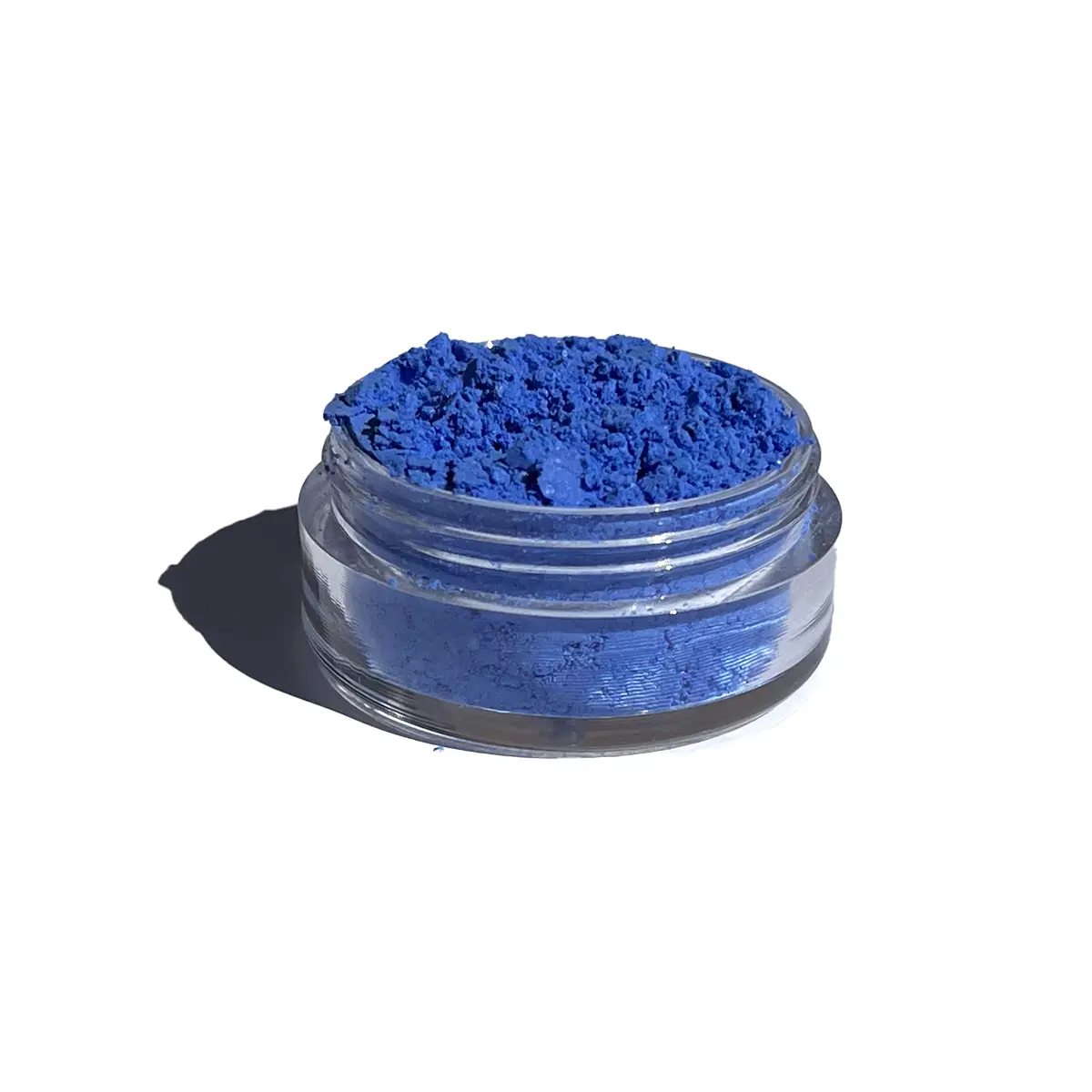
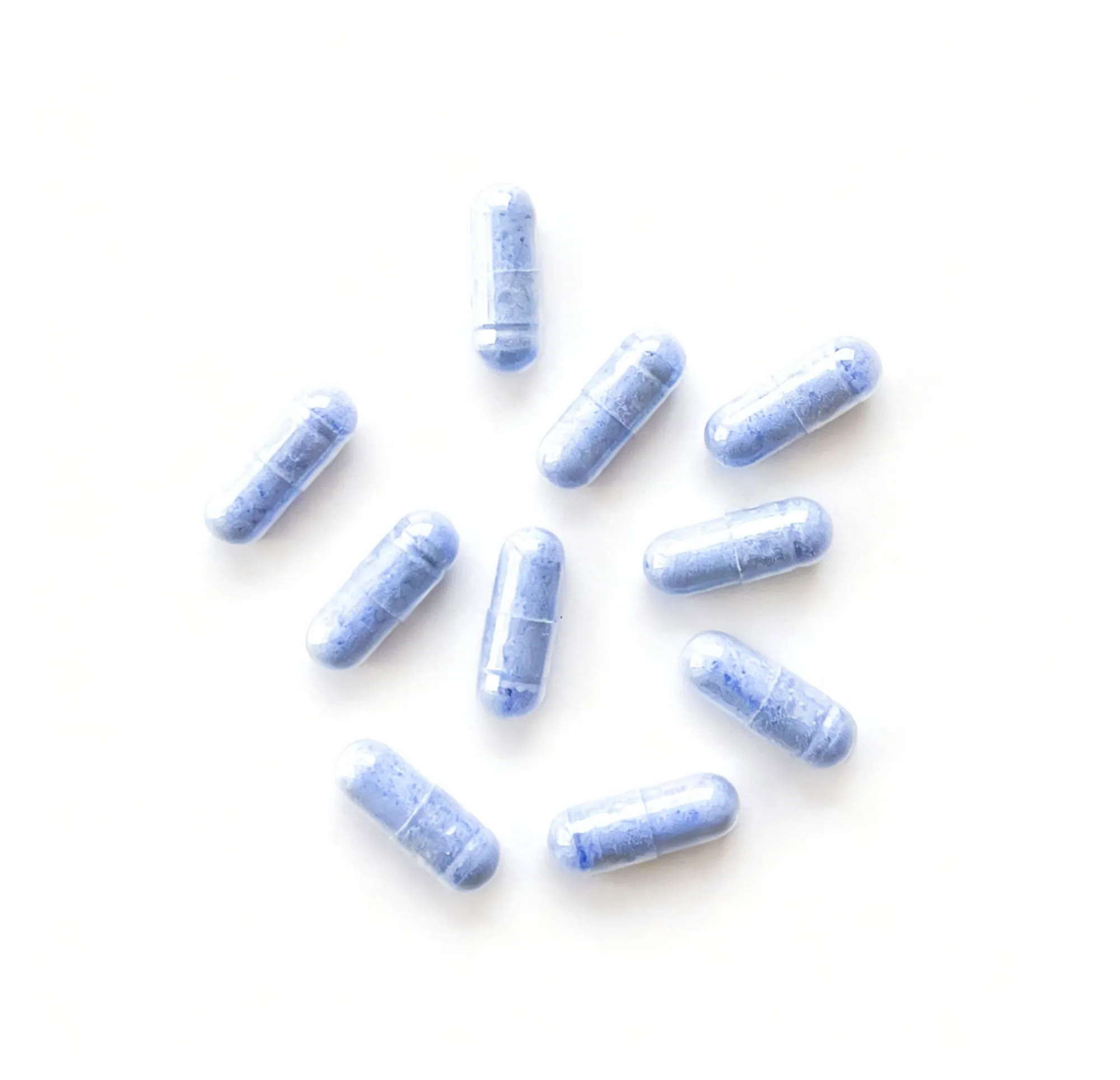
Food alone will not close the gap. Soil copper has fallen roughly 80% over the last century, and no amount of careful shopping puts back what was never in the ground. That is why the mineral optimization protocol sits on top of ancestral eating rather than replacing it. Copper is the usual starting point, and we make Albion copper bisglycinate as a 3g powder jar, which runs about 26% copper by weight, and as 10mg capsules for people who want a fixed amount without a scoop. The protocol starts low and builds slowly, and the amounts live in Minerals Revolution.
Further reading: Ethan's article on ancestral diets and his recommended supplements list.
Common questions
What is an ancestral diet?
It is an eating pattern built from your own heritage rather than one fixed menu. People historically ate very differently depending on region and season, so the goal is to borrow ancestral concepts and find what suits you.
Is an ancestral diet the same as paleo?
No. Paleo prescribes one list of foods for everyone. Ethan's version varies by heritage and by season, so it may mean more fruit and carbohydrate for one person and more meat, fat, and dairy for another.
Why avoid chicken on an ancestral diet?
The book favors ruminants such as cattle, bison, goat, and lamb, because animals with multiple stomachs concentrate minerals in a way chickens do not. Organic and 100% grass-fed is the standard.
Why should I avoid fortified foods?
Enriched flour and grain products carry inorganic iron added since the 1940s, plus synthetic vitamins built from chemicals. Added iron works against copper status, and unregulated iron is the opposite of what the body needs.
Can I drink milk on an ancestral diet?
Only if it is raw, 100% grass-fed, organic, and ideally A2. Pasteurized conventional milk is one of the processed foods the book leaves out.
Do I still need supplements if I eat this way?
Ethan's position is yes. Crop soil has lost roughly 80% of its copper over the last century, so careful eating raises the floor but cannot replace what was never in the ground.
Pure Minerals copper bisglycinate
Albion copper bisglycinate in capsules and powder, with free US shipping and a 30-day money-back guarantee.