How the Mineral Crisis Happened: Why We Are Mineral Deficient Now
Mineral depletion in food is the outcome of a century of change in farming, processing, and medicine. Crop soil has lost roughly 80% of its copper, refining removed most of what survived, inorganic iron was added back in, and modern chemical and EMF exposure raised the body's demand at the same time.
What mineral depletion in food means
A carrot from a 1920 farm and a carrot from a commercial field today share a name and not much else. Soil mineral content sets the ceiling on plant mineral content, and that ceiling has been falling for a century. Copper took the worst of it. Ethan puts the loss at roughly 80% of the copper in crop soil over the last hundred years.
Modern life also asks more of the body than ever. The combined result is the pattern we see in nearly everyone: low bioavailable copper, low magnesium, and more iron than the body can handle. Six in ten Americans live with a chronic disease and four in ten carry more than one, and the rate in children more than doubled between 1994 and 2006. Weight tracks the same curve: fewer than 15% of adults were obese in 1990, against about 69% overweight or obese today. Ethan's reading, laid out in Minerals Revolution, is that a century of nutrient loss and chemical load sits underneath those numbers.
How industrial agriculture stripped copper out of the soil
Into the early 1900s, farmland was mineral rich, free of synthetic chemicals, and worked mostly by the families who lived on it. Then large companies consolidated farms around one measure: bushels per acre. Crop rotation went out and synthetic fertilizer came in. The nitrogen-phosphorus-potassium blend known as NPK is still the backbone of commercial fertilizer, and it blocks copper uptake by plants. Yield goes up and the copper never reaches the food.
Glyphosate compounded it. The herbicide is a chelator, binding calcium, magnesium, manganese, copper, and zinc and carrying them out of reach. Stephanie Seneff, PhD, who has studied its human health effects closely, notes that its ability to chelate at low pH means nothing stops that binding anywhere along the chain, in soil, plant, animal, or person. Glyphosate also interferes with production of ceruloplasmin, the copper protein that moves copper through the blood and governs iron handling.
Land that had been unfarmable could suddenly grow crops, which shrank grazing acreage. Cattle moved off pasture and into pens, and industrial meat production began there. Refrigeration and long-haul shipping followed. A plant loads minerals right up until it ripens, so fruit picked green for transit never gets there.
How food processing removed minerals and added iron
From the 1920s on, the way we talked about food narrowed to the nutrients we had learned to name. Michael Pollan popularized the term for it: nutritionism, the assumption that a food's value is the sum of the nutrients science has identified in it. Gyorgy Scrinis named the consequence. Judge food only by the quantities of nutrients it contains, and a processed product can score as healthier than a whole food so long as the panel numbers land right.
Processing moved the same way. Pasteurization, refined sugar, hydrogenated oils, and industrial seed oils became standard, and retinol, magnesium, and copper left with the parts refined away. Synthetic vitamins were added back, most built from chemicals and different from the forms found in food, which is why Ethan treats fortification as a problem rather than a fix.
Iron is the sharpest example. In the 1940s, inorganic iron filings were added to enriched flour and grain products across the food system. In 1969 the FDA raised the recommended iron amount in many foods by 50%, over testimony against it from dozens of scientists. The higher level stuck, and excess iron still sits in most grain-based processed food, often at twice the listed amount alongside folate. The body already recycles and stores iron carefully, and loose iron oxidizes, the metal that ages us. See iron dysregulation and copper and iron.
The low-fat era and what it cost us
In 1955 President Dwight Eisenhower had a heart attack. His cardiologist, Dr. Paul Dudley White, blamed the president's high-fat, high-cholesterol diet and put him on a low-fat regimen. Eisenhower had smoked four packs a day until 1949, which drew less attention. The diet got credit for his recovery when he ran again in 1956. What went unpublicized: he hated it, gained weight, watched his cholesterol keep climbing, and had six more heart attacks after leaving office.
The advice rested on the Seven Countries Study by Ancel Keys. Ethan's reading of the record, which historians still argue over, is that the work was badly flawed because Keys set aside data from fifteen other countries that cut against his hypothesis. The American Heart Association aligned with Keys in 1957, federal guidelines followed, and the food pyramid followed those. A 2015 analysis in the BMJ's Open Heart went back to the trial evidence regulators held in 1980 and found it did not support cutting fat. Between 1909 and 1999, per-person soybean oil consumption in the United States rose more than 1,000-fold while butter and lard each fell about four-fold. Retinol, the bioavailable form of vitamin A, exists only in animal foods such as liver, oily fish, butter, and egg yolks, so it left the plate along with the fat. See retinol and copper.
How modern medicine stopped asking about nutrition
At the start of the twentieth century, doctors trained across many traditions, and by one estimate at least a quarter practiced whole-patient care built around diet and nutrition. Andrew Carnegie and John D. Rockefeller then funded an overhaul of medical education, carried out by Abraham Flexner, an educator with no medical background. Many schools closed. The survivors were reorganized around narrow, symptom-centered, drug-based treatment, and nutrition did not survive. That is Ethan's reading of the Flexner record, which remains contested among historians.
That model fit an era when acute infection was the leading killer. A primary care visit now averages ten to twelve minutes and a typical physician carries about 2,500 patients, which leaves no room to work out a person with several chronic conditions and a stack of prescriptions. Ethan also holds, from his reading of the mortality analyses, that prescription drugs rank as the third or fourth leading cause of death in the United States. That figure is disputed and we present it as his position. Many drugs are built from petrochemicals, many carry some form of fluoride, and many contain iron oxides, so a long list of common prescriptions depletes magnesium and copper or adds to iron load. See what to stop taking for the inputs worth removing.
EMFs and endocrine disrupting chemicals raised the demand
Two modern stressors sit on top of the food problem. Natural electromagnetic fields are not one of them. Artificial exposure is, from phones, routers, Bluetooth devices, towers, and poorly insulated wiring, which by one estimate now runs ten billion times 1960s levels. The mechanism Ethan points to involves voltage-gated calcium channels, which EMF exposure can hold open, flooding the cell with calcium. Endocrine disrupting chemicals are the second stressor. EDCs interfere with hormone action at very low concentrations, and hormones run metabolism, growth, reproduction, and stress response. At least a thousand chemicals are identified as EDCs, and they turn up in placenta, amniotic fluid, and cord blood. Both stressors raise the body's requirement for the minerals that run its antioxidant and energy systems, at the exact moment food stopped supplying them.
Why are we mineral deficient, and what to do about it
Soil lost its copper, fertilizer blocked what was left, glyphosate chelated out more, processing stripped the rest, synthetic iron went back in, a bad hypothesis about fat removed the foods carrying retinol, and modern exposures pushed demand higher. Roughly 85% of chronic disease is attributed to environmental factors like diet, behavior, toxin exposure, and lifestyle, all things a person can change.
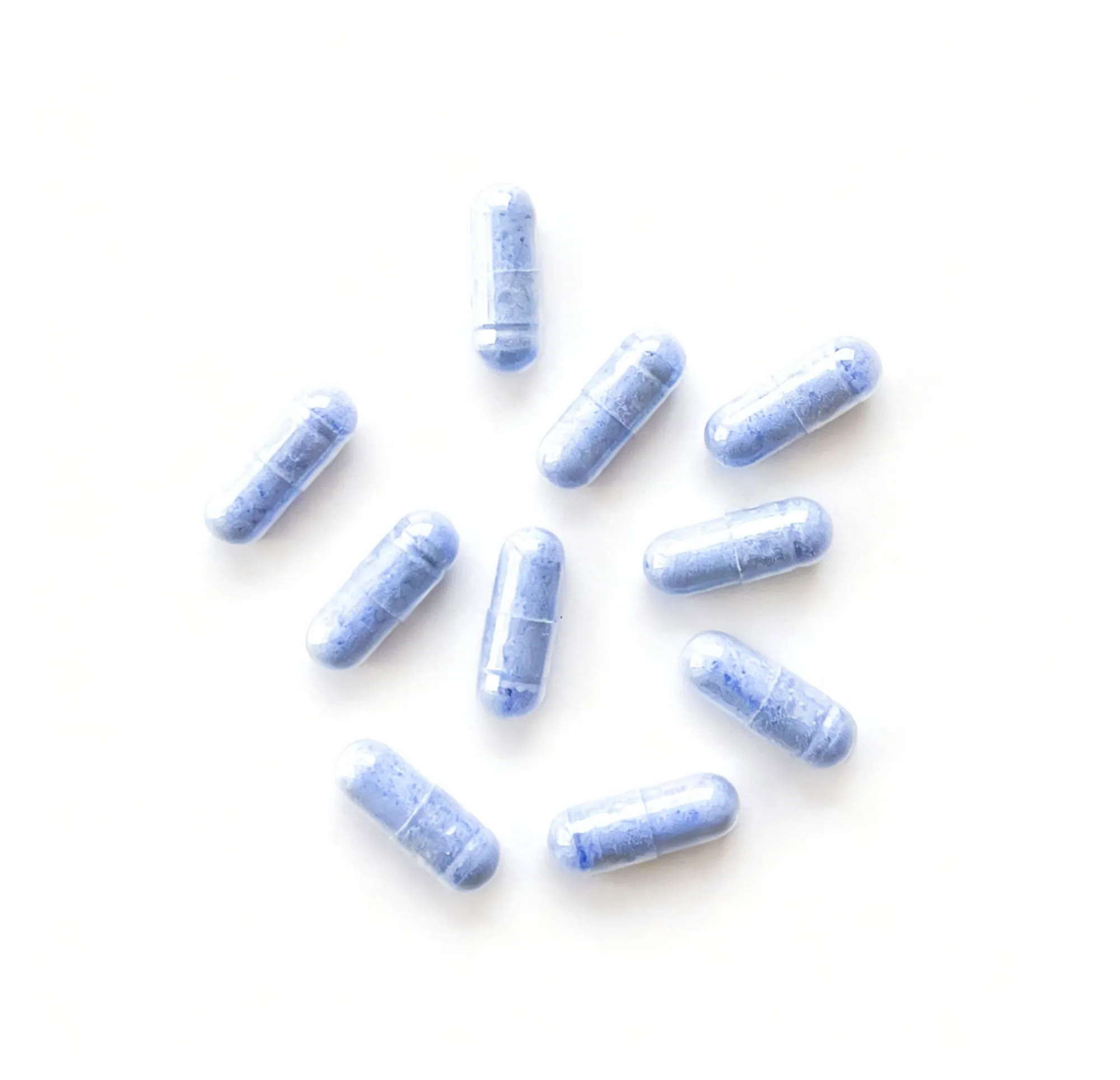
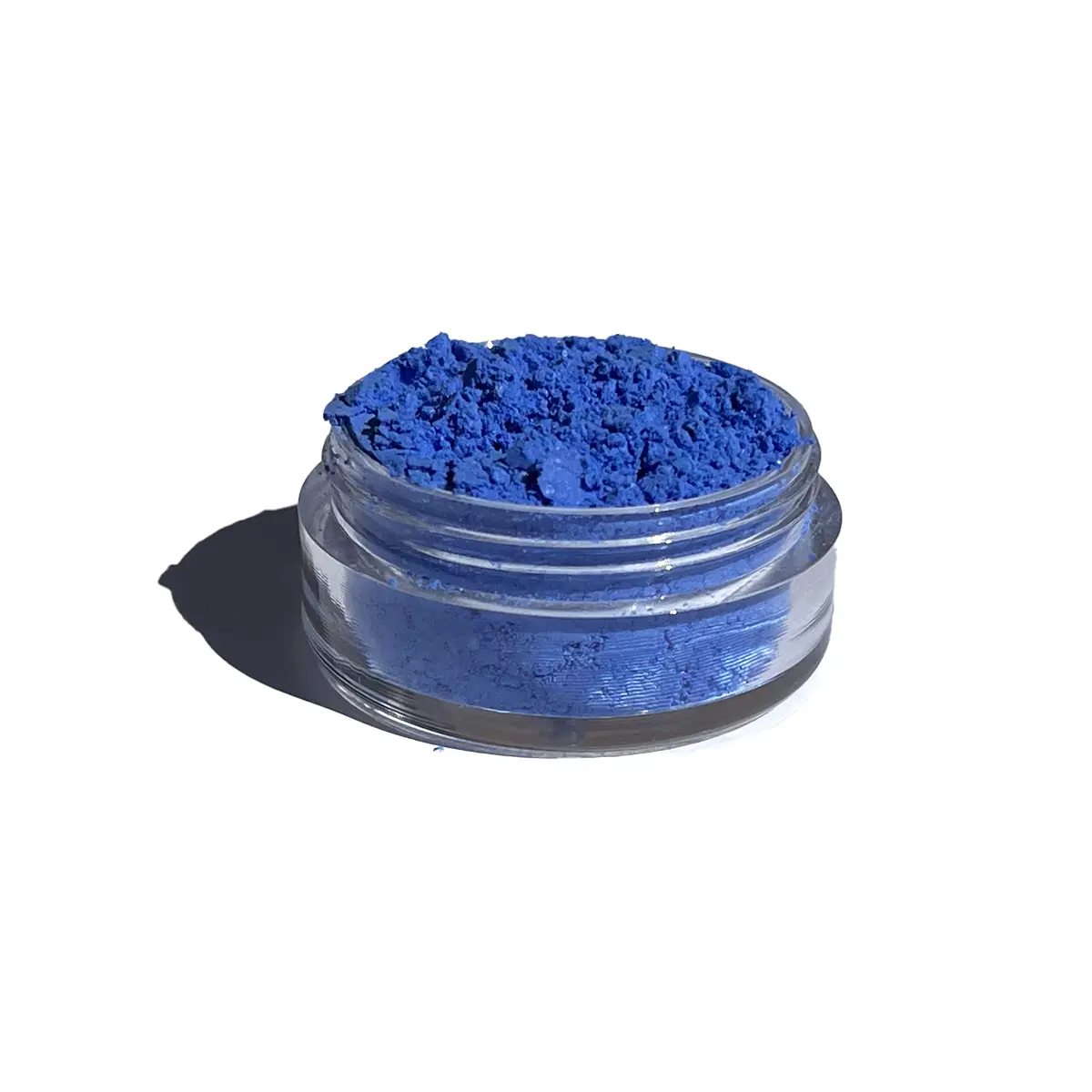
Start with food. Our guide to ancestral diets covers the eating pattern Ethan builds from, and it costs nothing. Food alone will not close a hundred-year gap, which is why the mineral optimization protocol adds daily supplementation on top of it. Copper is where most people begin, because bioavailable copper is what builds ceruloplasmin and manages iron. We make Albion copper bisglycinate in 10mg capsules and as a 3g powder jar, which runs about 26% copper by weight and holds roughly 780mg of copper. The protocol starts low and increases slowly, and the amounts and sequence live in Minerals Revolution. Further reading: Ethan's article on how the mineral crisis happened and the Linus Pauling Institute page on copper.
Common questions
Why are we mineral deficient today?
Soil minerals fell sharply over the last century, synthetic fertilizer and glyphosate reduced what plants could take up, and processing removed more. Modern chemical and EMF exposure raised the body's requirement at the same time.
How much copper has been lost from crop soil?
Ethan puts the figure at roughly 80% loss of copper in crop soil over the last hundred years. NPK fertilizer blocking copper uptake and glyphosate binding minerals are two of the main drivers.
Why is there added iron in bread and cereal?
Inorganic iron filings were added to enriched flour and grain products in the 1940s, and in 1969 the FDA raised the recommended amount in many foods by 50%. Excess iron is still present in most grain-based processed food.
Is mineral depletion in food the same as soil depletion?
They are closely linked. Soil mineral content sets the ceiling for what a plant can contain, so depleted soil produces depleted food before processing removes any more.
Can I fix mineral depletion with diet alone?
Ethan's position is no. Food quality is the foundation and worth fixing first, but a century of soil loss means most people need daily supplementation to close the gap.
What mineral should I focus on first?
Copper is where the book starts most people, because bioavailable copper is required to build ceruloplasmin and manage iron. Pure Minerals sells Albion copper bisglycinate as a 3g powder and as 10mg or 20mg capsules.
Pure Minerals copper bisglycinate
Albion copper bisglycinate in capsules and powder, with free US shipping and a 30-day money-back guarantee.