Red Light Therapy and Copper: The Receiver Light Acts On
Red light therapy acts on cytochrome c oxidase, the copper-dependent enzyme at the end of the electron transport chain. Its CuA center absorbs near infrared light around 830nm and its CuB center absorbs red light at 660nm, so the response depends on copper sitting in those positions.
Light needs a receiver, and the receiver is a copper enzyme
A red light panel does nothing on its own. Photons have to be absorbed by a molecule that can do something with the energy, and inside the cell the molecule doing most of that absorbing is cytochrome c oxidase. That enzyme is complex IV of the electron transport chain, the last stop before electrons are handed to oxygen and water is formed. It is also a copper enzyme, built around two copper centers.
So the whole premise of red and near infrared light in a cell runs through copper. The light is the signal. Cytochrome c oxidase is the receiver. If the receiver is short on copper, the signal arrives at a device that cannot act on it. Our page on cellular respiration and copper covers what that enzyme does when no light is involved.
CuA, CuB, and the wavelengths tied to them
Cytochrome c oxidase holds two distinct copper centers, and they respond to different parts of the spectrum. Ethan's write-up describes CuA as the infrared gateway, the center that catches energy from the longer wavelengths, with near infrared around 830nm being the wavelength tied to it. CuB is the center associated with red light at 660nm.
That is why panels and devices tend to combine those two numbers rather than picking one. They are aimed at two different copper sites inside the same enzyme. The absorption is a property of the metal centers, which means it is a property of copper being present and correctly placed.
Nitric oxide sitting at CuB
There is a second mechanism at CuB worth understanding. Nitric oxide can bind at that site, and while it is bound there it competes with oxygen and holds back the enzyme's activity. The model Ethan describes is that red light displaces that bound nitric oxide, freeing the site so oxygen can be reduced again and electron flow can resume at normal speed.
Read that mechanism carefully, because it explains something about expectations. Light displacing nitric oxide restores an enzyme that already exists and is already built. It does not create the enzyme, and it does not supply the copper the enzyme is built from.
What low copper means for the light response
This is where the page earns its title. Ethan's article reports that when copper is low, cytochrome c oxidase activity in heart, liver, and brain tissue can drop by over 90 percent. An enzyme operating at a small fraction of its capacity is a poor receiver no matter how good the panel is.
The copper in cytochrome c oxidase is not a spare part the cell keeps lying around. It has to be delivered, and delivery runs through ceruloplasmin, which needs six to eight copper atoms in position to fold and function. When bioavailable copper is short, ceruloplasmin is poorly loaded and tissue delivery suffers even when a blood test looks unremarkable. See ceruloplasmin and copper deficiency signs for how the book reads that picture.
Lysyl oxidase and the collagen half of the story
Most people buy a red light device with skin in mind, so the second copper enzyme matters here. Fibroblasts produce immature collagen, and that collagen has to be cross-linked before it has any structural strength. The enzyme that performs the cross-linking of collagen and elastin is lysyl oxidase, and lysyl oxidase is copper-dependent.
The book makes the same point from the other direction: defects in collagen and elastin that show up in connective tissue and blood vessels are explained by low lysyl oxidase activity, which is a copper-dependent enzyme failing for lack of its metal. Light can prompt fibroblast activity. The cross-linking step still needs copper to run. Our page on copper and collagen goes deeper, along with the review Using Copper to Improve the Well-Being of the Skin.
Light without the copper machinery can add oxidative stress
Here is the caution Ethan puts in the article, and it is the part most red light content leaves out. Stimulating the electron transport chain with light also produces reactive oxygen species. In a cell with sufficient copper, superoxide dismutase and ceruloplasmin handle that exhaust, and the extra activity nets out as useful signaling. In a cell short on copper, the cleanup enzymes are underpowered while the ROS production goes up.
His position is that light applied to copper-deficient tissue can add oxidative burden rather than help. More input into a chain that cannot move electrons cleanly is not a neutral act. That is an argument for fixing mineral status, not for avoiding light.
What is GHK-Cu?
GHK-Cu is a copper peptide, a short three amino acid sequence bound to a copper ion, used topically and studied for skin and wound research. It is the form copper takes in most peptide serums on the market. Interest in pairing it with red light comes from the same logic as the rest of this page: the peptide carries copper to the tissue, and the light acts on copper enzymes in that tissue.
The research Ethan cites on GHK-Cu combined with red light reports a 12.5x increase in cell viability, a 230 percent increase in the growth factor bFGF, and a 70 percent increase in collagen expression compared with light alone. Those figures belong to that research and to that peptide. We do not sell GHK-Cu, and nothing in those numbers is a statement about our products.
The practical order: minerals first, then the light
The sequence Ethan argues for is straightforward. Get bioavailable copper and its cofactors in place so the enzymes the light acts on are built and staffed, then use the device. Running it in the other order means aiming photons at an enzyme that is missing the metal it needs.
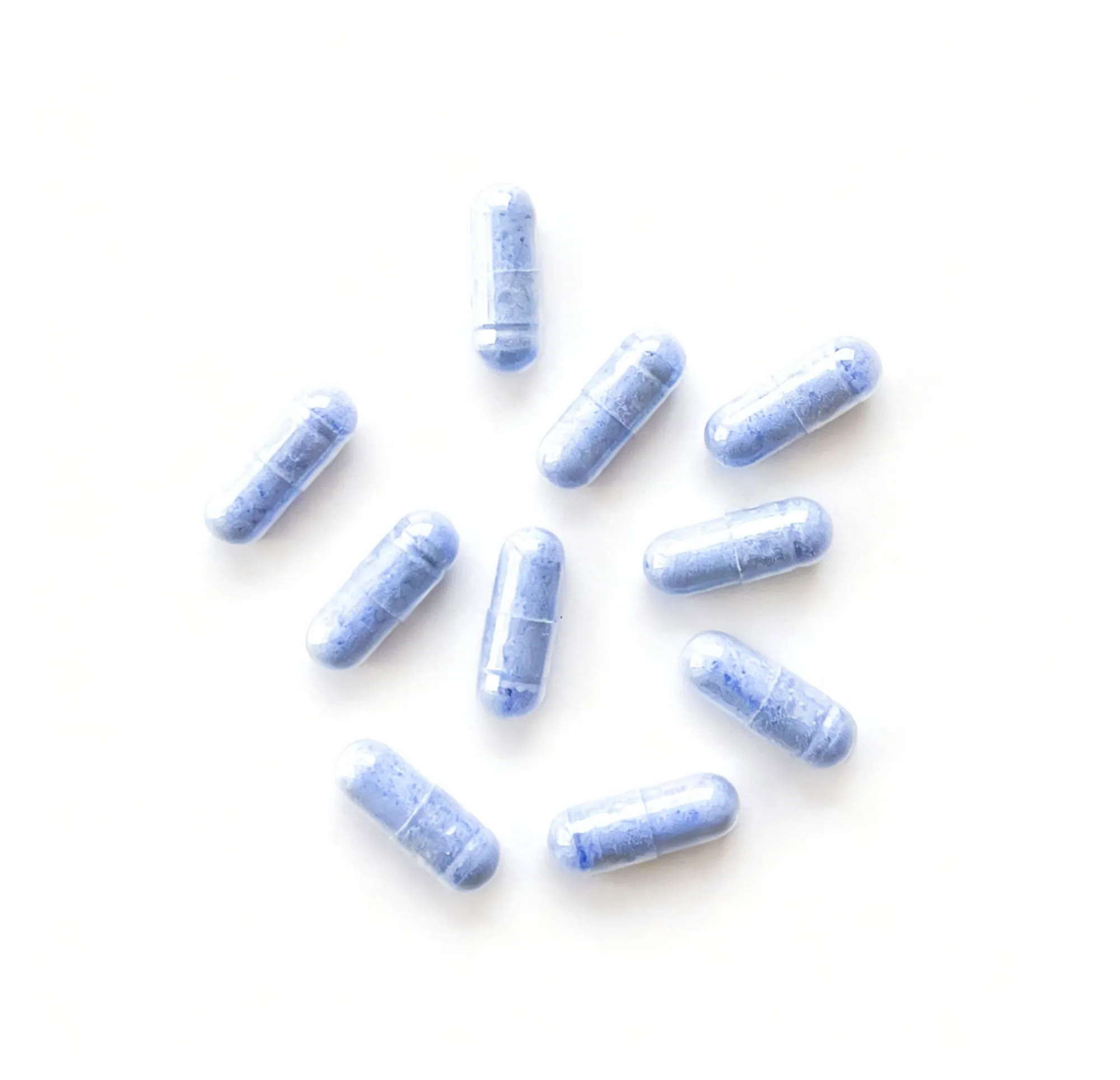
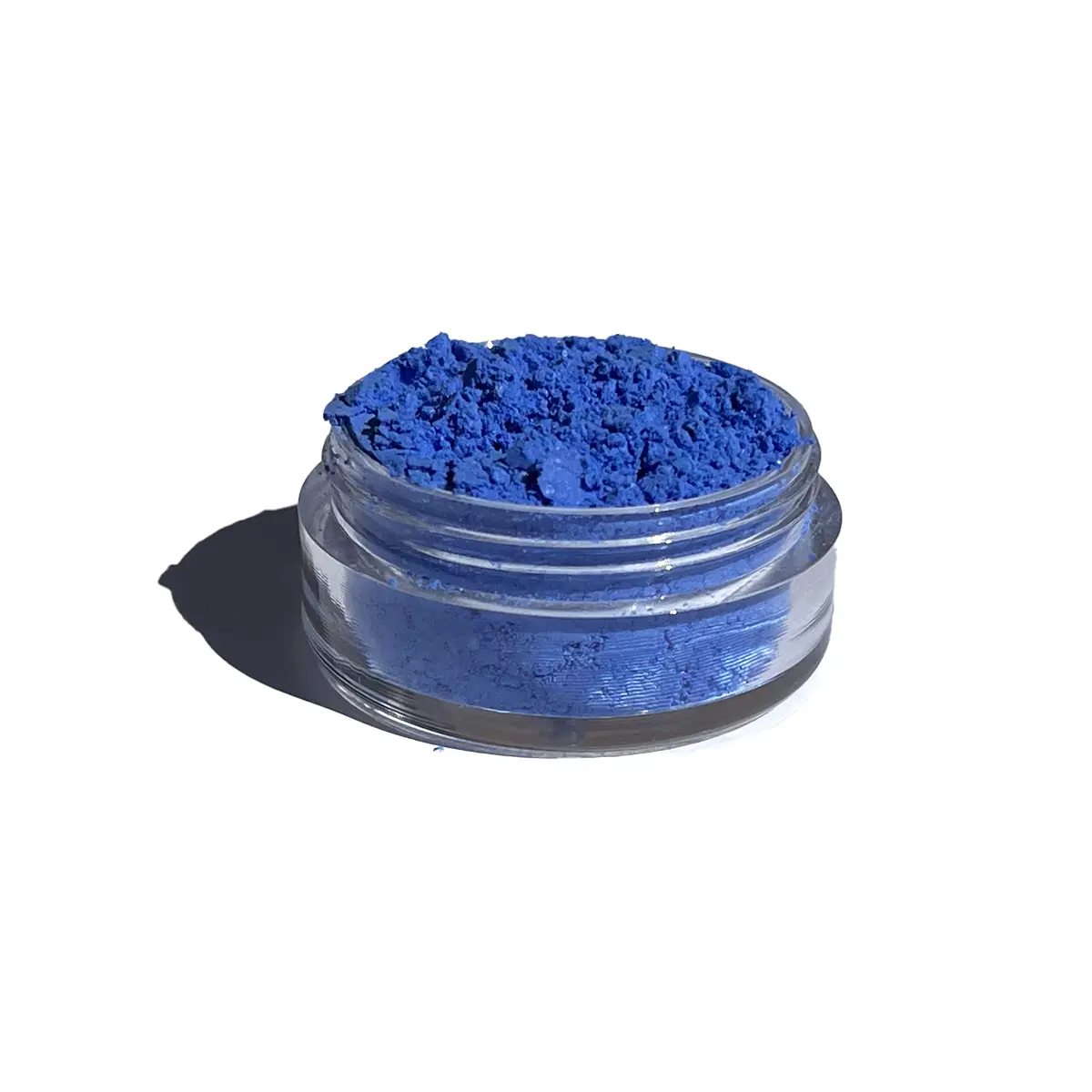
We sell Albion copper bisglycinate, the chelated form the book calls the most bioavailable copper. The 10mg copper bisglycinate capsules hold a fixed amount per capsule, and the 3g copper bisglycinate powder is about 26 percent copper with a two-sided scoop for smaller steps. We make no claim that taking copper changes what a red light device does for you, and no claim about anyone's appearance. What we will say is what the biochemistry says: these enzymes are copper enzymes.
The protocol starts low and increases slowly, and it pairs copper with magnesium, whole-food vitamin C and other cofactors. Amounts and sequence live in Minerals Revolution. If you are new to all of this, start with the quick start or what copper does for the body. Ethan's original article on this topic is The Missing Link: Why Your Red Light Therapy Needs Copper to Work.
Common questions
How does red light therapy work in the body?
Red and near infrared light is absorbed by cytochrome c oxidase, the copper enzyme at the end of the electron transport chain. Absorption happens at its copper centers, and light can displace nitric oxide bound at CuB.
What wavelength does copper absorb in cytochrome c oxidase?
The CuA center is tied to near infrared light around 830nm, and the CuB center is tied to red light at 660nm. Devices often combine both because they address two different copper sites.
Does red light therapy work if you are low in copper?
Ethan's position is that the response depends on the enzyme being built. His article reports that cytochrome c oxidase activity in heart, liver and brain tissue can drop by over 90 percent when copper is low.
What is GHK-Cu?
GHK-Cu is a topical copper peptide, a three amino acid sequence bound to copper, studied in skin and wound research. We do not sell it.
Can red light therapy cause oxidative stress?
Stimulating the electron transport chain produces reactive oxygen species. Copper-dependent enzymes including superoxide dismutase clear them, so Ethan cautions that light applied to copper-deficient tissue can add oxidative burden.
Should I take copper before using red light therapy?
The order Ethan argues for is mineral status first, then the light, because the enzymes light acts on are copper enzymes. The book holds the amounts and the sequence.
Pure Minerals copper bisglycinate
Albion copper bisglycinate in capsules and powder, with free US shipping and a 30-day money-back guarantee.