High Dose Copper: Why the Protocol Goes Above the RDA
High dose copper means intakes well above the RDA, which Ethan Fialkow treats as a survival floor rather than an optimal amount. The protocol raises copper slowly with cofactors, expects energy first and detox reactions later, and holds the actual amounts in Minerals Revolution.
The copper RDA sits under a milligram a day. The protocol in Minerals Revolution runs well above that, and anyone reading it should want to know why that is, and what happens on the way up. This page covers the reasoning and the honest gaps in it.
Why high dose copper goes above the RDA
The RDA is an estimate of the minimum daily intake that meets the needs of nearly all healthy people. Read that carefully. It is a floor built to keep a population out of acute deficiency disease, and Ethan's position is that it was never designed to describe what a body needs to run well. He points out that the figures behind several RDAs are decades old. The magnesium RDA was set in 1997 on the average body weights of that time, and researchers in 2021 argued the real requirement is multiples of it.
Two further gaps matter more than the number itself. The first is bioavailability. An RDA counts what is in the food, not what crosses the gut wall. Calcium in spinach absorbs at a small fraction of what the label says, because oxalates block it. Many nutrients also need conversion into an active form, and synthetic versions convert poorly.
The second is that nutrients work in company. Magnesium is required to use vitamin D, so low magnesium produces low vitamin D no matter how much vitamin D goes in. Antinutrients and mineral antagonists shift the arithmetic again, and the framework does not account for biodiversity in soil, food, or people. Ethan's conclusion is that the RDA answers a survival question, and the protocol is asking a different one.
There is a second reason the protocol pushes higher. The book's position is that copper above the amount needed to cover basic requirements is what lets the body start clearing accumulated halides and other stored toxins. Where that point sits varies by person.
What happens as copper rises
The pattern Ethan describes has two phases. Early on, most people notice energy, and it usually shows up before anything else does. Later, as copper keeps climbing and the body has more tools than it has had in years, detox reactions begin. The book treats this as expected rather than as a problem, and it is the main reason the protocol moves slowly.
What you stop matters as much as what you start. If the toxic exposure continues, the body stays in a constant state of detoxing and never gets ahead of it, which is why the book pairs what you start with what you stop.
Copper supplement side effects people report
These are qualitative reports from the book and from readers working the protocol, not clinical trial data.
- Headaches as copper rises. The most commonly reported reaction, and the book links it to detox rather than to copper itself. Ethan's tool for it is ascorbic acid taken when a headache starts. The amounts are in the book.
- Stomach upset. Elemental copper and copper oxides absorb poorly, and poorly absorbed copper sitting in the gut is what tends to cause nausea and cramping. It is the main reason the protocol uses a chelated form.
- Feeling off in general. The book's instruction is the same every time: slow it down. Going up too fast is the common mistake, and there is no prize for speed.
- Zinc interactions. Zinc and copper compete for absorption, which is why the protocol separates them by hours. See zinc and copper for the ratio logic.
Copper bisglycinate pairs one copper ion with two glycine molecules, which limits reactions with dietary inhibitors and gets copper across the gut wall as an amino acid complex rather than a free ion. Chelated copper goes through the chemistry.
Copper detox symptoms and what the book does about them
Detox reactions are the part people search for and the part most brands will not discuss. The book describes headaches as the signature one on the copper side. The responses Ethan gives are consistent: reduce the amount, hold there until things settle, use ascorbic acid for the headaches, and give the cofactors time to catch up.
Ascorbic acid and whole food vitamin C are doing different jobs here. The book uses whole food vitamin C daily as a nutrient and reserves ascorbic acid for the detox headache.
The honest part: there are no studies on this combination
Ethan says this plainly in the book, and we are not going to soften it. There have been no mainstream studies on higher dose copper, iodine, boron, and magnesium used together. Each mineral has its own literature, and the book cites that literature chapter by chapter. The combination does not have any. If you are looking for a randomized trial of this protocol, it does not exist, and Ethan writes that he does not expect one. Nobody funds a large study of an unpatentable mineral stack.
What he offers instead is mechanism, the safety data that exists on each mineral, and the results he and his readers have had. We would rather you know that going in than find out later.
The cofactors copper needs as the amount rises
Copper does not go up alone in this protocol. As the amount increases, the book adds support, and each one has a specific job.
| Cofactor | Why the protocol adds it |
|---|---|
| Zinc | Balances against rising copper and feeds metallothionein, the storage protein that handles both. Taken hours apart from copper. |
| Vitamin C | Whole food vitamin C daily as a nutrient. Ascorbic acid separately, for detox headaches. |
| Molybdenum | Supports sulfite oxidase and uric acid handling. Taken away from copper, since molybdenum at high levels pulls copper down. |
| Magnesium | ATP is used as Mg-ATP, so magnesium and copper are both required to finish and use the energy the mitochondria make. See copper and magnesium. |
| Retinol | Retinol supports ceruloplasmin production, which is how copper gets loaded for transport and iron gets moved. See retinol and copper. |
Amounts, timing, and the order they get added are in Minerals Revolution. We do not publish the protocol numbers on this site, and that is deliberate.
How much copper is too much
Intakes up to 10mg a day are commonly cited as safe for adults. Ethan considers that ceiling conservative, and his reasoning is the distance between it and anything documented as harmful. Acute copper poisoning in the literature comes from copper salts swallowed in gram quantities, orders of magnitude beyond what any supplement delivers, and such cases are rare because copper salts cause immediate vomiting. Chronic dietary copper toxicity is not treated as a significant public health concern.
The exception worth naming is genetic. Wilson's disease is an autosomal recessive disorder of copper metabolism caused by a mutation in the ATP7B gene, with an estimated global frequency near 1 in 30,000. It impairs copper handling and causes copper to accumulate. The book's instruction is to rule that mutation out before taking supplemental copper. Our page on whether copper is toxic covers form, amount, and the regulatory systems in detail, and the Linus Pauling Institute copper page gives the conventional position.
Go slow and let the book set the amounts
The protocol is scalable, which is the part people miss. Ethan's line is that even a person who never goes far up the scale will benefit from correcting a deficiency. Speed is not the variable that matters.
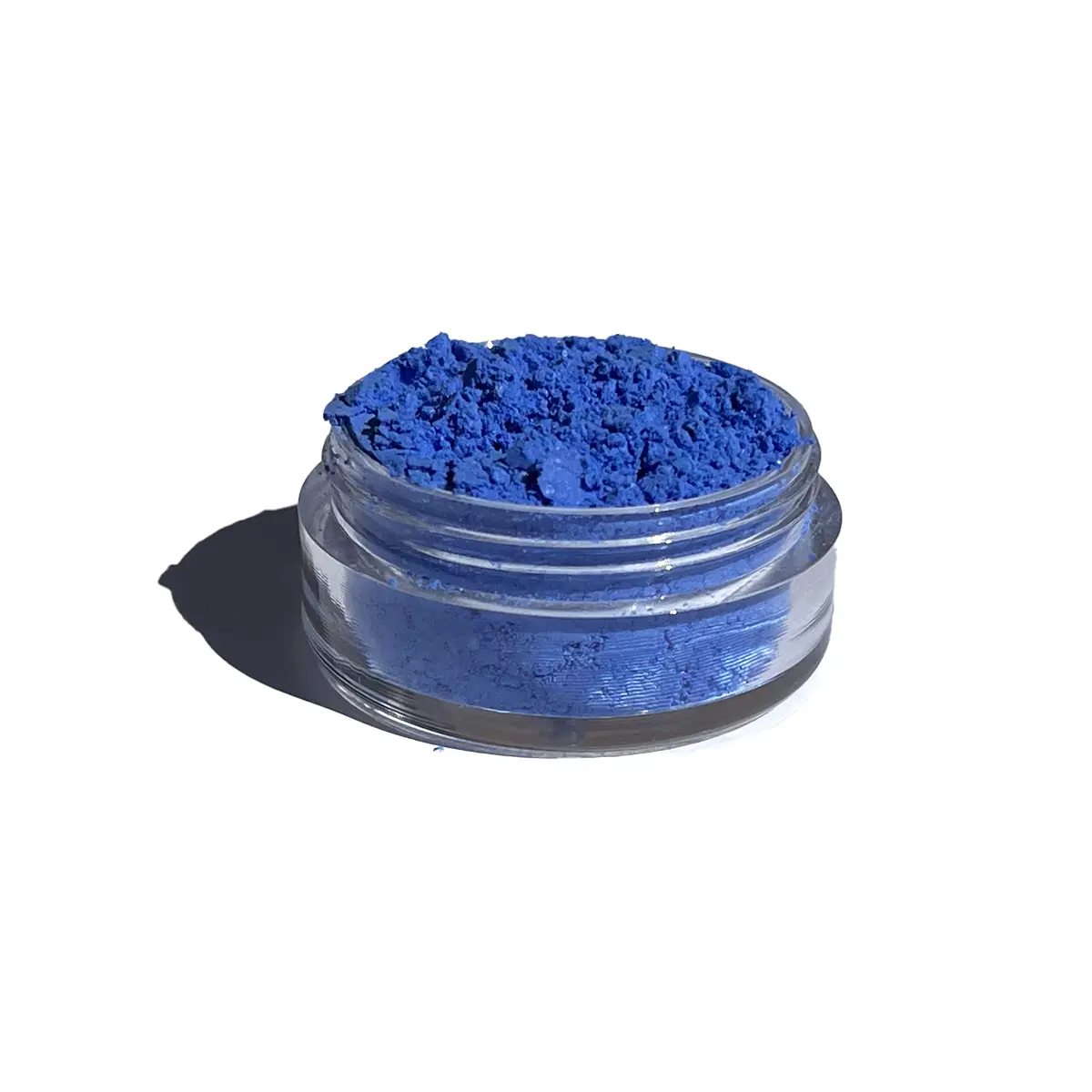
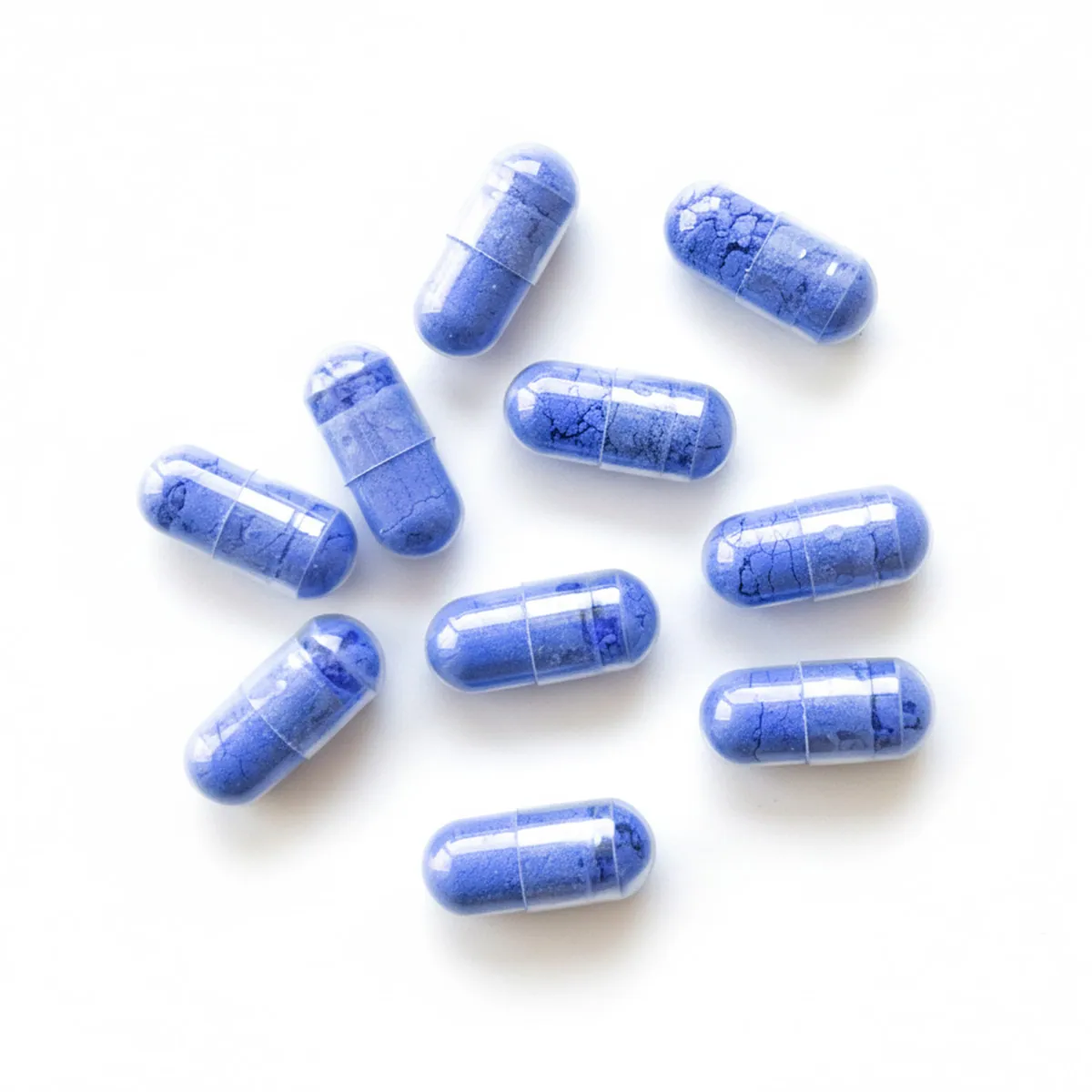
We make a 3g powder jar, which holds roughly 780mg of copper and comes with a two sided scoop, and a 20mg capsule for people past the early stage. Most people move to the powder once daily amounts climb, since it adjusts in small increments. See the quick start for the shape of the protocol.
Further reading: Ethan's original article on the benefits and risks of high dose copper.
Common questions
Is high dose copper safe?
Intakes up to 10mg a day are commonly cited as safe for adults, and documented copper poisoning comes from copper salts swallowed in gram quantities. Ethan Fialkow considers the usual ceiling conservative, and the protocol still starts low and rises slowly.
What are copper supplement side effects?
The reactions people report most are headaches as copper rises and stomach upset from poorly absorbed forms such as copper oxide. Chelated copper bisglycinate absorbs better and is easier on the stomach, which is why the protocol uses it.
What are copper detox symptoms?
The book describes headaches as the signature reaction as copper climbs, along with a general sense of feeling off. The response is to slow down, hold the amount steady, and use ascorbic acid when a headache starts.
Why does the protocol go above the copper RDA?
Because the RDA is a minimum built to prevent acute deficiency in a population, and it ignores bioavailability, nutrient conversion, antagonists, and biodiversity. The book's position is that it answers a survival question, not an optimization one.
Are there studies on high dose copper with iodine, boron and magnesium?
No. Ethan states in the book that no mainstream studies exist on those minerals used together at higher amounts, and that he does not expect any to be funded. Each mineral has its own literature, which the book cites.
What cofactors go with high dose copper?
Zinc, vitamin C, molybdenum, magnesium, and retinol, added as copper rises. Timing matters, since zinc and molybdenum both compete with copper, and the amounts and sequence are in Minerals Revolution.
Who should not take supplemental copper?
Anyone with Wilson's disease, a genetic disorder of copper metabolism caused by an ATP7B mutation. The book says to rule that mutation out before starting supplemental copper.
Pure Minerals copper bisglycinate
Albion copper bisglycinate in capsules and powder, with free US shipping and a 30-day money-back guarantee.