GHK-Cu: What Copper Peptides Do, and What They Do Not Do
GHK-Cu is a copper-carrying peptide of glycine, histidine and lysine, studied mostly for skin, collagen and wound repair. Its effects appear to be local. How much copper crosses from skin into the body is not well understood, while the path taken by oral copper is well mapped.
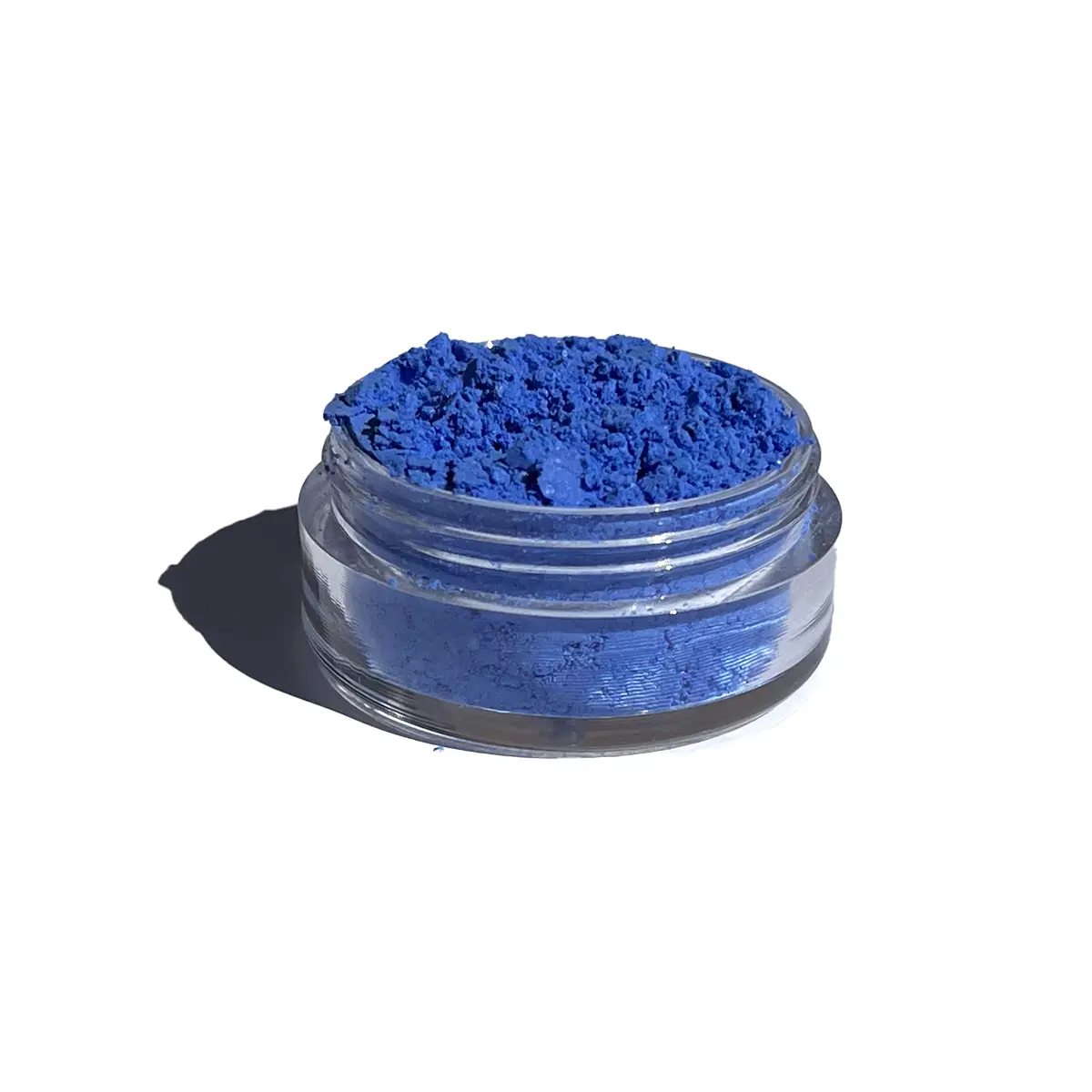
GHK-Cu is a small piece of protein carrying a copper atom. The peptide part is three amino acids joined together, glycine, histidine and lysine, which is why it also goes by copper tripeptide-1 on ingredient labels. Copper binds to that peptide tightly and specifically, and the pair behaves differently from either piece on its own.
Loren Pickart identified GHK in human blood plasma in the early 1970s while studying why young plasma affected liver tissue differently than older plasma. Researchers have reported that plasma levels of it fall as people age. Most of the attention since then has come from skin research, which is how the peptide ended up in serums, creams and post-procedure products.
What the research on GHK-Cu looks at
Published work on GHK-Cu clusters around skin and wound repair. Studies look at collagen and elastin production, the behavior of fibroblasts, growth factor signaling, and the appearance of skin after a course of treatment. That research is about tissue in a dish or skin under a peptide, and it is worth reading on its own terms.
The figures that circulate most often come from cell and tissue work. In the research Ethan cites in his article on red light therapy and copper, GHK-Cu combined with light produced a large jump in cell viability, a rise in basic fibroblast growth factor, and higher collagen expression than light alone. Those are results from that research, not statements about anything we sell.
The mechanism people point to sits in the same place as the rest of copper biology. Lysyl oxidase, the enzyme that cross-links collagen and elastin, needs copper to work. Superoxide dismutase needs copper. Cytochrome c oxidase, the last step of cellular respiration, holds two copper centers. A peptide that hands copper to skin cells is handing them the working part of enzymes they already run.
What nobody can tell you about copper through the skin
Here is the honest gap, and it is a large one. We do not have a clear picture of how much copper moves from the skin into the rest of the body, or whether it moves in any meaningful amount at all.
Skin is a barrier by design. A peptide applied to the surface has to cross the stratum corneum, reach living cells below, and then find its way into circulation to matter anywhere else. Copper applied topically does appear to be handled well by skin cells, and ointments carrying high percentages of metallic copper have been studied without adverse reactions. What follows after that is where the picture gets thin. The research does not map the route from the skin surface to the liver, to ceruloplasmin, or to the copper sitting in your bones and muscle.
So the reasonable reading is that topical GHK-Cu acts where you put it. It may well do useful things in that patch of skin. Treating it as a way to correct body-wide copper status is a leap the evidence does not support, and we are not going to pretend otherwise to sell more product.
What we do understand about copper you swallow
Oral copper runs through a pathway that has been studied for decades. Copper is absorbed by enterocytes in the stomach and small intestine, at a rate that swings widely, roughly 15% to 97%, depending on the form, the amount and what else is in the meal. Animal protein, citrate and phosphate help absorption. Zinc, cadmium, phytates and simple sugars work against it.
From there it goes to the liver, which loads most of it into ceruloplasmin and releases it to the rest of the body. Between 70% and 95% of the copper in your blood rides on that protein. Excess leaves through bile and then the stool, and metallothionein handles storage and hand-off inside cells. This is a regulated system with a known input, a known carrier, a known store and a known exit. Read more on ceruloplasmin and on what copper does in the body.
That difference matters more than any single study. With oral copper you can raise intake, adjust it, pair it with the cofactors the body needs, and know roughly what the body will do with the surplus. With a cream you are working in the dark past the first few layers of skin.
Topical and oral answer different questions
| GHK-Cu, topical | Copper bisglycinate, oral | |
|---|---|---|
| Where it acts | Local tissue, as far as the evidence goes | Whole body, through the liver and ceruloplasmin |
| How well the route is understood | Poorly past the skin surface | Well documented |
| Regulated by the body | Unclear | Yes, through bile and metallothionein |
| Research focus | Skin, collagen, wound repair | Enzyme activity, iron handling, energy metabolism |
| Amount of copper involved | Small, and hard to measure in the body | Known per capsule or scoop |
Someone using a copper peptide serum and expecting it to fix a body-wide shortage is solving the wrong problem with the wrong tool. Someone taking copper by mouth should not expect it to work like a topical cosmetic either. The two do different jobs.
Does GHK-Cu raise your copper status?
There is no good evidence that it does. The peptide carries a tiny amount of copper, it is applied to a small area, and the path from that area into circulation is not mapped. If your goal is more bioavailable copper in the enzymes that run your metabolism, the route with the evidence behind it is the one through your gut.
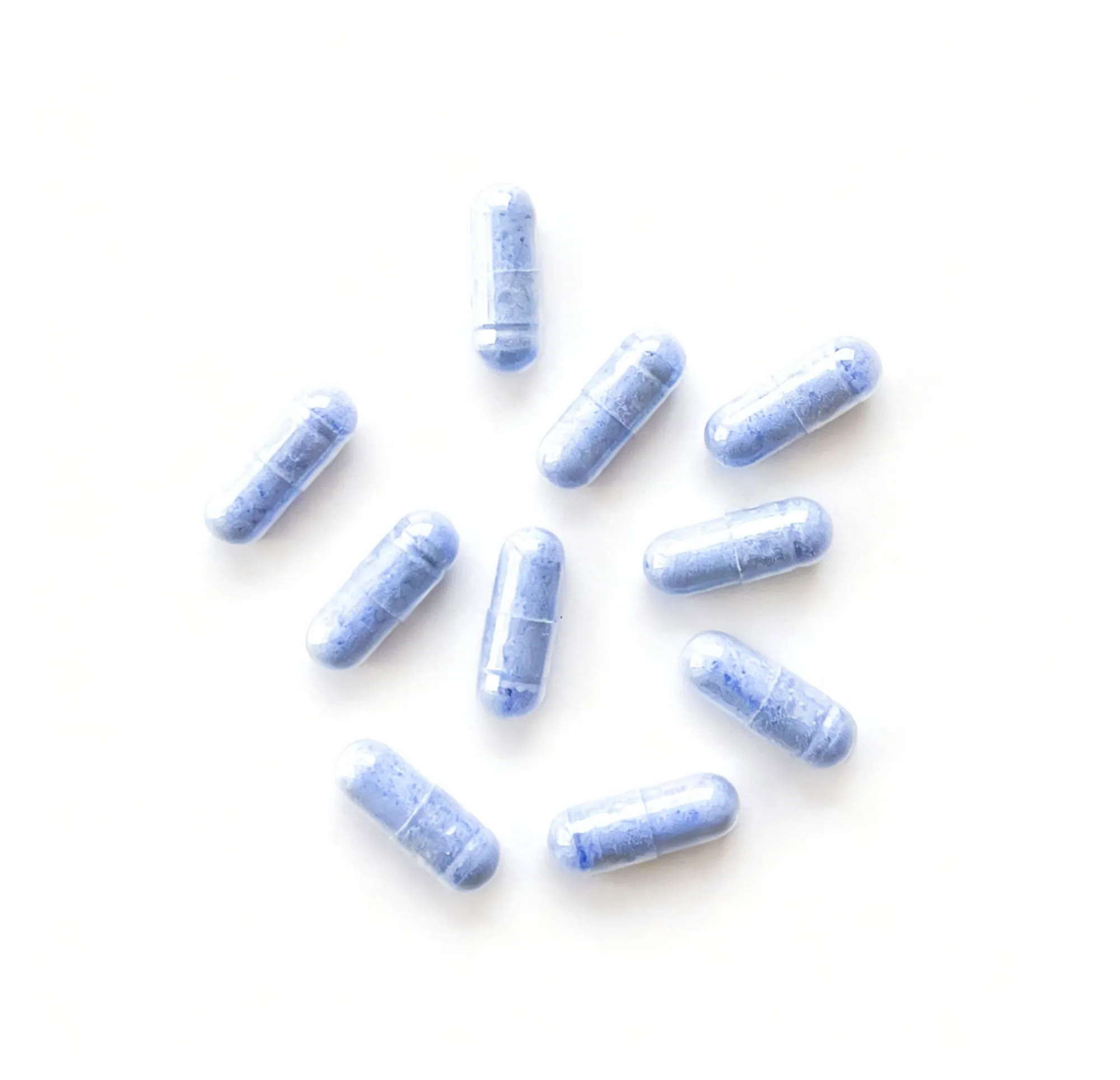
We do not sell GHK-Cu. We sell Albion copper bisglycinate in capsules and powder, and the reason we use the bisglycinate form is covered in copper glycinate vs bisglycinate. If you want to use a copper peptide on your skin as well, nothing about that conflicts with the protocol in Minerals Revolution. Just do not count it as your copper intake.
Where copper peptides fit in the bigger picture
Most people reaching for GHK-Cu are chasing something the copper enzymes already control. Skin firmness runs through lysyl oxidase. Pigment runs through tyrosinase, which is why copper and grey hair keeps coming up. Oxidative damage runs through superoxide dismutase and through how well iron stays where it belongs, which is the subject of copper and iron.
Fix the supply and every one of those enzymes has what it needs, everywhere in the body, not only in the square inch under the serum. That is the case for starting with intake and treating the topical version as a separate experiment. Ethan's full write-up on the light and copper connection is in his article on why red light therapy needs copper.
Common questions
What is GHK-Cu?
GHK-Cu is a peptide of three amino acids, glycine, histidine and lysine, bound to a copper atom. It appears on ingredient labels as copper tripeptide-1 and shows up mostly in skin products.
Does GHK-Cu raise copper levels in the body?
There is no good evidence that it does. The amount of copper is small and the route from skin into circulation has not been mapped, so the sensible reading is that it acts locally.
Is topical copper the same as taking copper by mouth?
No. Oral copper runs through a known path: absorption in the gut, loading into ceruloplasmin at the liver, storage through metallothionein and exit through bile. Topical copper has no comparable map past the skin surface.
Can you use GHK-Cu and oral copper together?
Nothing about a topical peptide conflicts with taking copper by mouth. Just do not count what you put on your skin as part of your copper intake.
Does Pure Minerals sell GHK-Cu?
No. We sell Albion copper bisglycinate in capsules and powder. The research figures on this page come from published work on the peptide, not from our products.
Why is copper in skin products at all?
Several skin enzymes depend on copper, including lysyl oxidase, which cross-links collagen and elastin, and tyrosinase, which starts melanin production.
Pure Minerals copper bisglycinate
Albion copper bisglycinate in capsules and powder, with free US shipping and a 30-day money-back guarantee.